. 2016 Nov;25(Suppl 2):ii94-ii102.
doi: 10.1136/tobaccocontrol-2016-053224. Epub 2016 Sep 15.

Distribution, quantification and toxicity of cinnamaldehyde in electronic cigarette refill fluids and aerosols

Affiliations

Distribution, quantification and toxicity of cinnamaldehyde in electronic cigarette refill fluids and aerosols

Rachel Z Behar et al. Tob Control. 2016 Nov.

Abstract

Objective: The aim of this study was to evaluate the distribution, concentration and toxicity of cinnamaldehyde in electronic cigarette (e-cigarette) refill fluids and aerosols.

Methods: The distribution and concentration of cinnamaldehyde were determined in 39 e-cigarette refill fluids plus 6 duplicates using gas chromatography and mass spectrometry (GC/MS). A cinnamaldehyde toxicity profile was established for embryonic and adult cells using a live cell imaging assay, immunocytochemistry, the comet assay and a recovery assay.

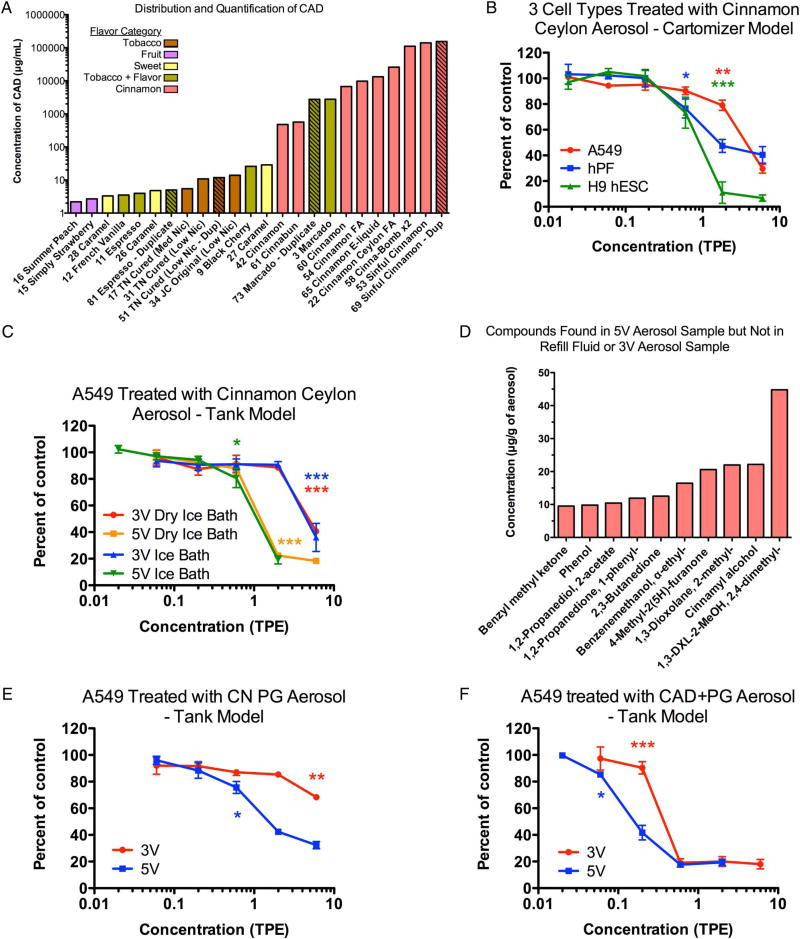
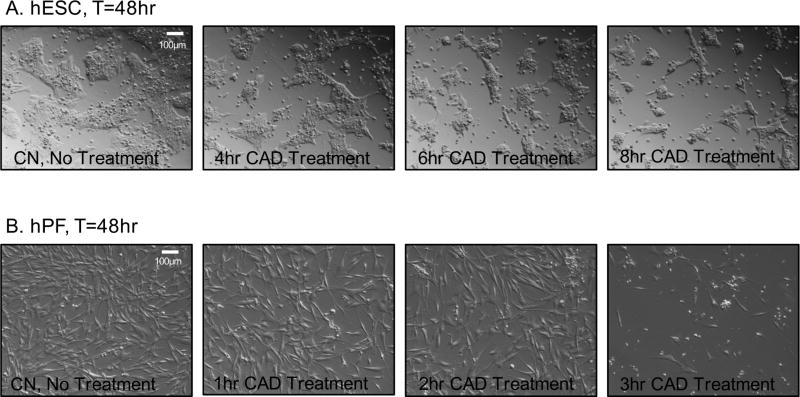
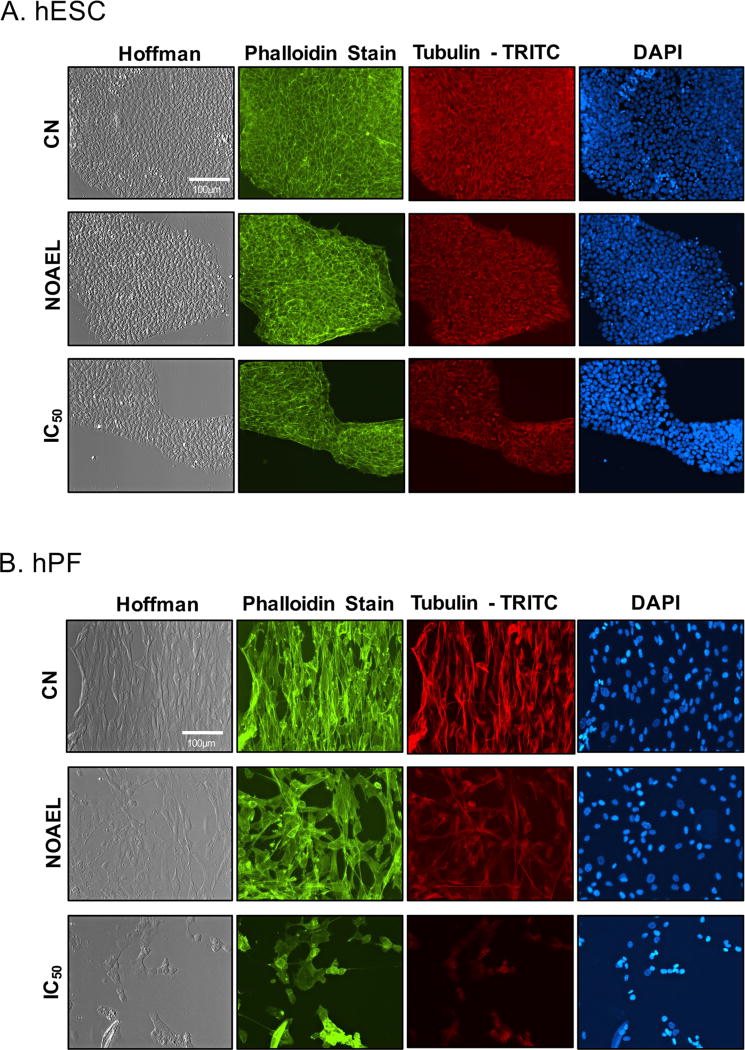
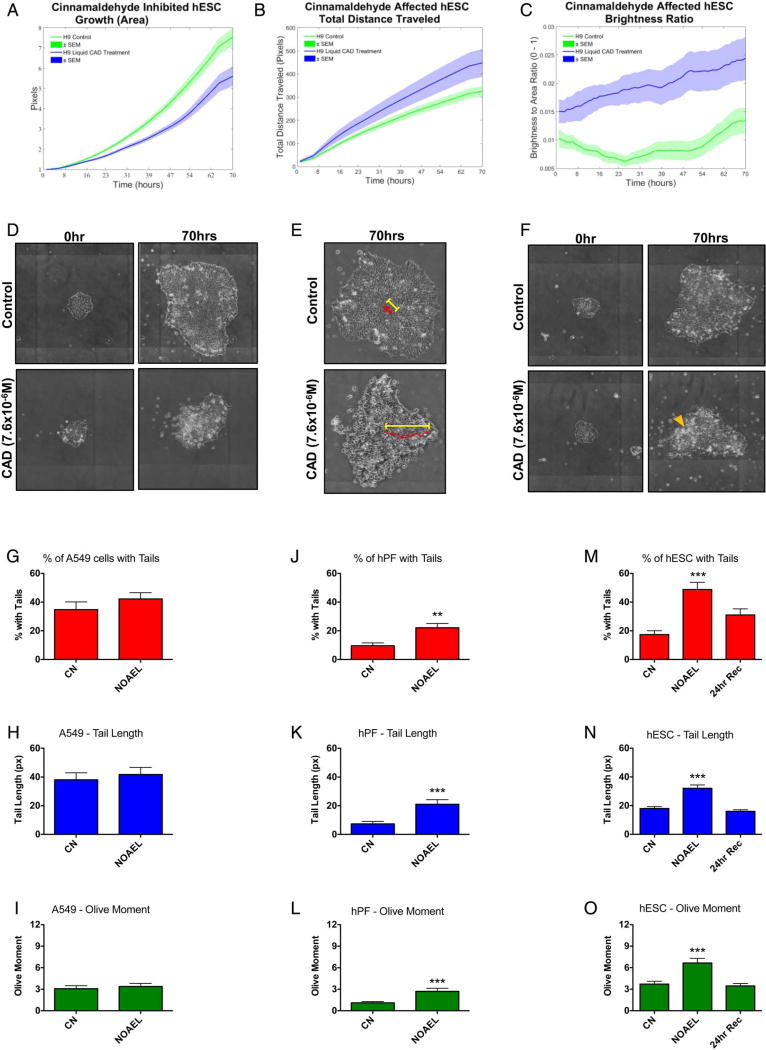
Results: Twenty of the 39 refill fluids contained cinnamaldehyde at concentrations that are cytotoxic to human embryonic and lung cells in the MTT assay. Cinnamon Ceylon aerosol produced in a cartomizer-style e-cigarette was cytotoxic. Cinnamon Ceylon aerosols and refill fluid aerosols (80% propylene glycol or cinnamaldehyde/propylene glycol) made using a tank/boxmod e-cigarette were more cytotoxic at 5 V than 3 V. Using GC/MS, aerosols produced at 5 V contained 10 additional peaks not present in aerosol generated at 3 V. One of these, 2,3-butandione (diacetyl), was confirmed with an authentic standard. Cinnamaldehyde depolymerised microtubules in human pulmonary fibroblasts. At concentrations that produced no effect in the MTT assay, cinnamaldehyde decreased growth, attachment and spreading; altered cell morphology and motility; increased DNA strand breaks; and increased cell death. At the MTT IC50 concentration, lung cells were unable to recover from cinnamaldehyde after 2 hours of treatment, whereas embryonic cells recovered after 8 hours.

Conclusions: Cinnamaldehyde-containing refill fluids and aerosols are cytotoxic, genotoxic and low concentrations adversely affect cell processes and survival. These data indicate that cinnamaldehyde in e-cigarette refill fluids/aerosols may impair homeostasis in the respiratory system.

Keywords: Electronic nicotine delivery devices; Global health; Toxicology.


Figures

Figure 1
Figure 1
Cinnamaldehyde distribution, quantification and cytotoxicity of Cinnamon Ceylon and cinnamaldehyde aerosols. (A) Distribution and quantification of cinnamaldehyde (CAD) containing refill fluids from a library of 45 samples. Numbers were assigned to each sample when purchased. Duplicate products are crosshatched. Dup, duplicate; FA, flavour art; TN, tennessee; Nic, nicotine. (B) A549 cells, hPF and hESC treated with Cinnamon Ceylon aerosol made using a cartomizer-style e-cigarette. (C) A549 cells treated with Cinnamon Ceylon aerosol from a tank/boxmod e-cigarette at 3 and 5 V using two methods of aerosol collection. (D) Compounds identified in the 5 V aerosol sample of Cinnamon Ceylon that were not in the 3 V aerosol and the refill fluid. The chemical denoted as ‘1,3-DXL-2-MeOH, 2,4-dimethyl-’ is 1,3-dioxolane-2-methanol, 2,4-dimethyl-. (E) A549 cells treated with 80% PG/20% distilled water aerosols made at 3 and 5 V in a tank-style e-cigarette. (F) A549 cells treated with 75% PG/25% cinnamaldehyde aerosols made at 3 and 5 V using a tank-style e-cigarette. Asterisks indicate the LOAEL concentrations that are significantly different from the lowest concentration tested in the concentration range. *p<0.05, **p<0.01, ***p<0.001. Each dose-response curve is the average of three experiments±SEM.
Figure 2
Figure 2
Effect of MTT IC50 concentration of cinnamaldehyde on survival of hESC and hPF after short-term exposure. (A) hESC recovered from 8 hours of exposure to cinnamaldehyde (CAD) which was removed and replaced with fresh medium every 2 hours for 8 hours. Images were taken at 10× after 48 hours to allow cell recovery following cinnamaldehyde exposure. (B) hPF recovered from 2 hours of exposure to cinnamaldehyde which was removed and replaced with fresh medium every 2 hours for 3 hours. Images were taken at 10× after 48 hours to allow cell recovery following cinnamaldehyde exposure.
Figure 3
Figure 3
Cinnamaldehyde altered morphology and depolymerised microtubules in hPF. (A) hESC treated with cinnamaldehyde at the MTT IC50 and MTT NOAEL concentrations and stained for actin (phalloidin), tubulin (β-tubulin conjugate) and DNA (DAPI). (B) hPF treated with cinnamaldehyde at MTT IC50 and NOAEL concentrations and stained for actin (phalloidin), tubulin (β-tubulin conjugate) and DNA (DAPI).
Figure 4
Figure 4
The effect of the MTT NOAEL concentration of cinnamaldehyde on growth, motility, apoptosis and DNA damage. StemCellQC software analysis of time-lapse videos of control and cinnamaldehyde (CAD)-treated colonies showing effects on (A) growth (area), (B) motility (total distance travelled) and (C) apoptosis (brightness ratio). Phase contrast images showing the effect of cinnamaldehyde on growth (D), motility (E) and apoptosis (F). Yellow arrowhead (F) indicates cell debris/dead cells. The alkaline comet assay showing the percentage of cells with comet tails, the comet tail length and the olive moment across three cell types. For A549 cells (G–I) and hPF (J–L), the MTT NOAEL concentrations for hPF dose– response curve were used. For hESC (M–O), the MTT NOAEL concentration was used, and additional recovery group was added in which 3 hours after treatment with cinnamaldehyde, medium was replaced with cinnamaldehyde-free medium, and cells were allowed to recover (24-hour Rev). CN, control. NOAEL, no observed adverse effect level. **p<0.01, ***p<0.001. Averages of three experiments+SEM plotted in live cell assays and column graphs.

References

    1. Trtchounian A, Talbot P. Electronic nicotine delivery systems: is there a need for regulation? Tob Control. 2011;20:47–52. - PubMed
    1. Trtchounian A, Williams M, Talbot P. Conventional and electronic cigarettes (e-cigarettes) have different smoking characteristics. Nicotine Tob Res. 2010;12:905–12. - PubMed
    1. Zhu SH, Sun JY, Bonnevie E, et al. Four hundred and sixty brands of e-cigarettes and counting: implications for product regulation. Tob Control. 2014;23(Suppl 3):ii3–9. - PMC - PubMed
    1. Hutzler C, Paschke M, Kruschinski S, et al. Chemical hazards present in liquids and vapors of electronic cigarettes. Arch Toxicol. 2014;88:1295–308. - PubMed
    1. Kavvalakis MP, Stivaktakis PD, Tzatzarakis MN, et al. Multicomponent analysis of replacement liquids of electronic cigarettes using chromatographic techniques. J Anal Toxicol. 2015;39:262–9. - PubMed

MeSH terms