


Hypoxic Pulmonary Vasoconstriction: From Molecular Mechanisms to Medicine
- PMID: 27645688
- PMCID: PMC5310129
- DOI: 10.1016/j.chest.2016.09.001
Hypoxic Pulmonary Vasoconstriction: From Molecular Mechanisms to Medicine
Abstract
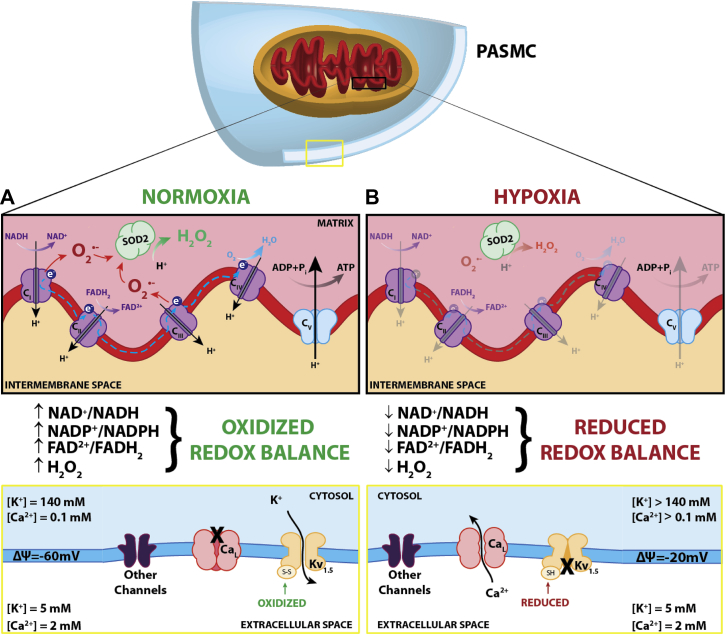
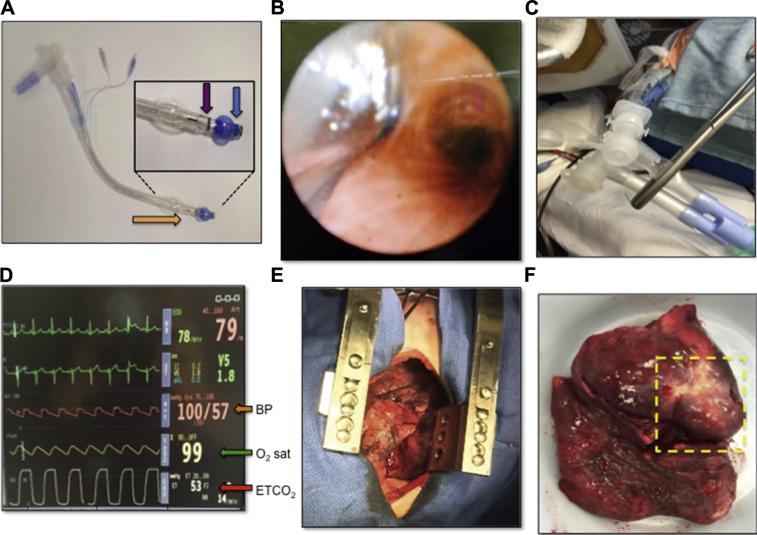
Hypoxic pulmonary vasoconstriction (HPV) is a homeostatic mechanism that is intrinsic to the pulmonary vasculature. Intrapulmonary arteries constrict in response to alveolar hypoxia, diverting blood to better-oxygenated lung segments, thereby optimizing ventilation/perfusion matching and systemic oxygen delivery. In response to alveolar hypoxia, a mitochondrial sensor dynamically changes reactive oxygen species and redox couples in pulmonary artery smooth muscle cells (PASMC). This inhibits potassium channels, depolarizes PASMC, activates voltage-gated calcium channels, and increases cytosolic calcium, causing vasoconstriction. Sustained hypoxia activates rho kinase, reinforcing vasoconstriction, and hypoxia-inducible factor (HIF)-1α, leading to adverse pulmonary vascular remodeling and pulmonary hypertension (PH). In the nonventilated fetal lung, HPV diverts blood to the systemic vasculature. After birth, HPV commonly occurs as a localized homeostatic response to focal pneumonia or atelectasis, which optimizes systemic Po2 without altering pulmonary artery pressure (PAP). In single-lung anesthesia, HPV reduces blood flow to the nonventilated lung, thereby facilitating thoracic surgery. At altitude, global hypoxia causes diffuse HPV, increases PAP, and initiates PH. Exaggerated or heterogeneous HPV contributes to high-altitude pulmonary edema. Conversely, impaired HPV, whether due to disease (eg, COPD, sepsis) or vasodilator drugs, promotes systemic hypoxemia. Genetic and epigenetic abnormalities of this oxygen-sensing pathway can trigger normoxic activation of HIF-1α and can promote abnormal metabolism and cell proliferation. The resulting pseudohypoxic state underlies the Warburg metabolic shift and contributes to the neoplasia-like phenotype of PH. HPV and oxygen sensing are important in human health and disease.
Keywords: chuvash polycythemia; high altitude pulmonary edema; mitochondria; oxygen-sensitive potassium channels; single-lung anesthesia; ventilation/perfusion matching.
Copyright © 2016 American College of Chest Physicians. Published by Elsevier Inc. All rights reserved.
Figures
References
-
- Euler U.S.V., Liljestrand G. Observations on the pulmonary arterial blood pressure in the cat. Acta Physiol Scand. 1946;12(4):301–320.
-
- Madden J.A., Dawson C.A., Harder D.R. Hypoxia-induced activation in small isolated pulmonary arteries from the cat. J Appl Physiol (1985) 1985;59(1):113–118. - PubMed
-
- Baraka A.S., Taha S.K., Yaacoub C.I. Alarming hypoxemia during one-lung ventilation in a patient with respiratory bronchiolitis-associated interstitial lung disease. Can J Cardiol. 2003;50(4):411–414. - PubMed
-
- Jensen K.S., Micco A.J., Czartolomna J., Latham L., Voelkel N.F. Rapid onset of hypoxic vasoconstriction in isolated lungs. J Appl Physiol (1985) 1992;72(5):2018–2023. - PubMed
Publication types
MeSH terms
Substances
Grants and funding
LinkOut - more resources
Full Text Sources
Other Literature Sources
Medical
Molecular Biology Databases
Research Materials
