Histopathological transformation to small-cell lung carcinoma in non-small cell lung carcinoma tumors
- PMID: 27652204
- PMCID: PMC5009079
- DOI: 10.21037/tlcr.2016.07.10
Histopathological transformation to small-cell lung carcinoma in non-small cell lung carcinoma tumors
Abstract
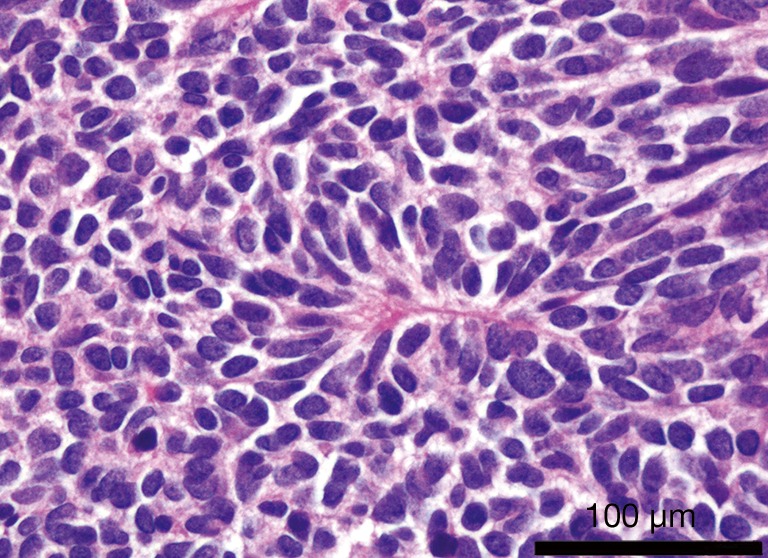
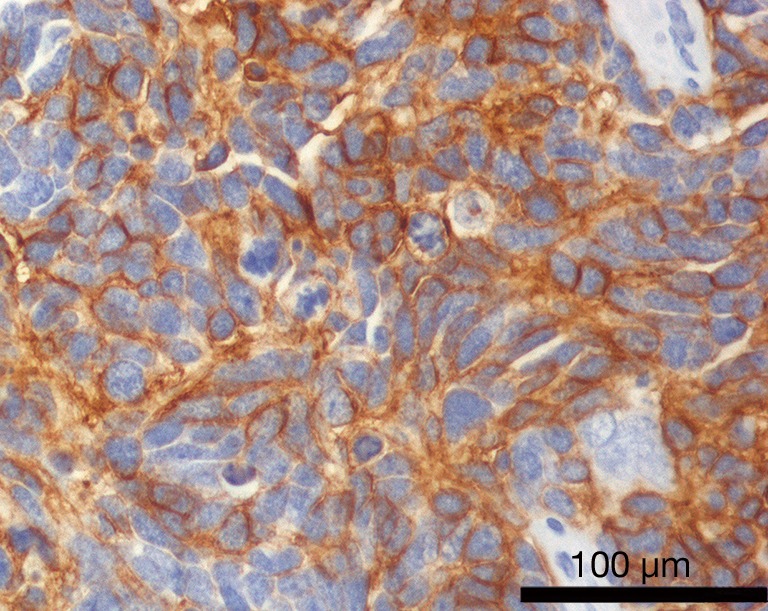
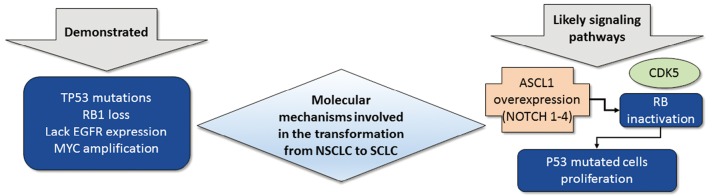
Lung cancer is the principal cause of cancer-related death worldwide. The use of targeted therapies, especially tyrosine kinase inhibitors (TKIs), in specific groups of patients has dramatically improved the prognosis of this disease, although inevitably some patients will develop resistance to these drugs during active treatment. The most common cancer-associated acquired mutation is the epidermal growth factor receptor (EGFR) Thr790Met (T790M) mutation. During active treatment with targeted therapies, histopathological transformation to small-cell lung carcinoma (SCLC) can occur in 3-15% of patients with non-small-cell lung carcinoma (NSCLC) tumors. By definition, SCLC is a high-grade tumor with specific histological and genetic characteristics. In the majority of cases, a good-quality hematoxylin and eosin (H&E) stain is enough to establish a diagnosis. Immunohistochemistry (IHC) is used to confirm the diagnosis and exclude other neoplasia such as sarcomatoid carcinomas, large-cell carcinoma, basaloid squamous-cell carcinoma, chronic inflammation, malignant melanoma, metastatic carcinoma, sarcoma, and lymphoma. A loss of the tumor-suppressor protein retinoblastoma 1 (RB1) is found in 100% of human SCLC tumors; therefore, it has an essential role in tumorigenesis and tumor development. Other genetic pathways probably involved in the histopathological transformation include neurogenic locus notch homolog (NOTCH) and achaete-scute homolog 1 (ASCL1). Histological transformation to SCLC can be suspected in NSCLC patients who clinically deteriorate during active treatment. Biopsy of any new lesion in this clinical setting is highly recommended to rule out a SCLC transformation. New studies are trying to assess this histological transformation by noninvasive measures such as measuring the concentration of serum neuron-specific enolase.
Keywords: Anaplastic lymphoma kinase (ALK); drug resistance; epidermal growth factor receptor (EGFR); neuroendocrine cells.
Conflict of interest statement
The authors have no conflicts of interest to declare.
Figures
References
-
- Travis WD, Brambilla E, Burke AP, et al. editors. WHO classification of tumours of the lung, pleura, thymus and heart. World Health Organization classification of tumours. 4th edition. France, Lyon: International Agency for Research on Cancer, 2015. - PubMed
-
- Weidner N, Cote RJ, Suster S, et al. Modern Surgical Pathology. 2nd ed. United States: Saunders, 2009.
Publication types
LinkOut - more resources
Full Text Sources
Other Literature Sources
Research Materials
Miscellaneous