


Defining biotypes for depression and anxiety based on large-scale circuit dysfunction: a theoretical review of the evidence and future directions for clinical translation
- PMID: 27653321
- PMCID: PMC5702265
- DOI: 10.1002/da.22556
Defining biotypes for depression and anxiety based on large-scale circuit dysfunction: a theoretical review of the evidence and future directions for clinical translation
Abstract
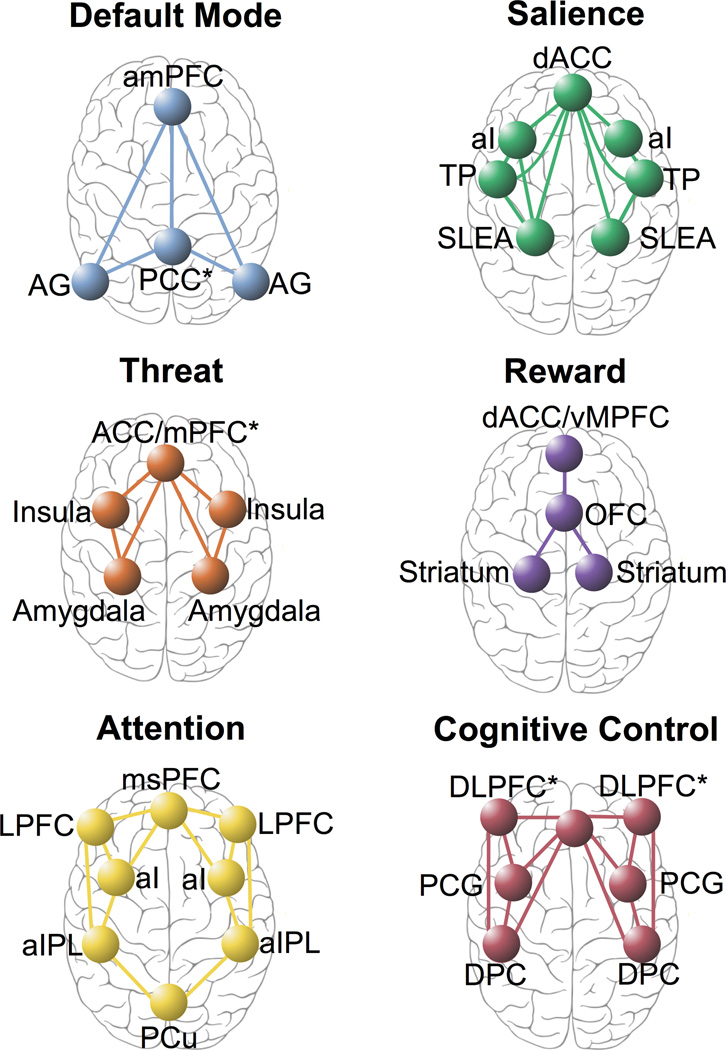
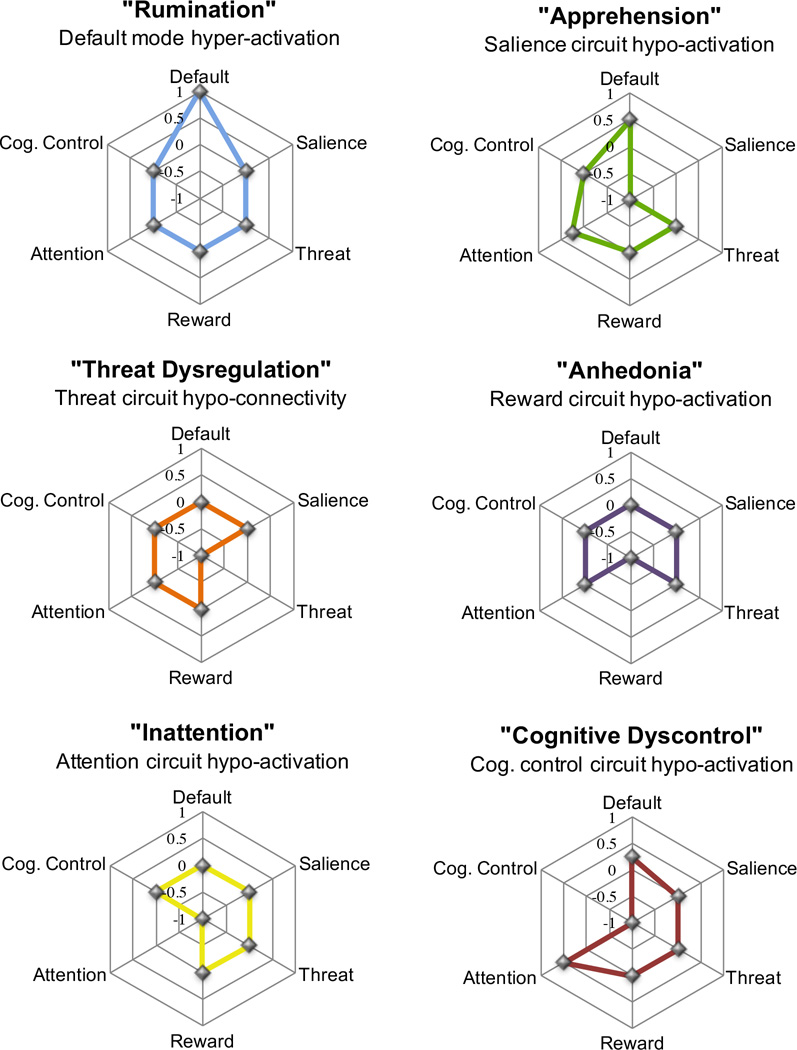
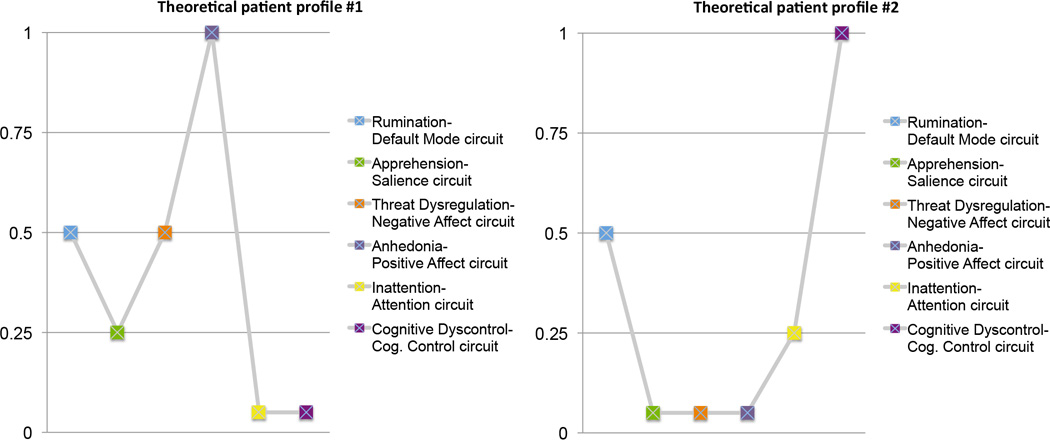
Complex emotional, cognitive and self-reflective functions rely on the activation and connectivity of large-scale neural circuits. These circuits offer a relevant scale of focus for conceptualizing a taxonomy for depression and anxiety based on specific profiles (or biotypes) of neural circuit dysfunction. Here, the theoretical review first outlines the current consensus as to what constitutes the organization of large-scale circuits in the human brain identified using parcellation and meta-analysis. The focus is on neural circuits implicated in resting reflection (default mode), detection of "salience," affective processing ("threat" and "reward"), "attention," and "cognitive control." Next, the current evidence regarding which type of dysfunctions in these circuits characterize depression and anxiety disorders is reviewed, with an emphasis on published meta-analyses and reviews of circuit dysfunctions that have been identified in at least two well-powered case:control studies. Grounded in the review of these topics, a conceptual framework is proposed for considering neural circuit-defined "biotypes." In this framework, biotypes are defined by profiles of extent of dysfunction on each large-scale circuit. The clinical implications of a biotype approach for guiding classification and treatment of depression and anxiety is considered. Future research directions will develop the validity and clinical utility of a neural circuit biotype model that spans diagnostic categories and helps to translate neuroscience into clinical practice in the real world.
Keywords: anxiety/anxiety disorders; biological markers; brain; depression; functional MRI; imaging/neuroimaging; mood disorders.
© 2016 Wiley Periodicals, Inc.
Figures
References
-
- Substance Abuse and Mental Health Services Administration. Results from the 2012 National Survey on Drug Use and Health: Mental Health Findings. Rockville, MD: 2013.
-
- Whiteford HA, Degenhardt L, Rehm J, et al. Global burden of disease attributable to mental and substance use disorders: findings from the Global Burden of Disease Study 2010. Lancet. 2010;382(9904):1575–1586. - PubMed
-
- Insel T, Cuthbert B, Garvey M, et al. Research domain criteria (RDoC): toward a new classification framework for research on mental disorders. Am J Psychiatry. 2010;167(7):748–751. - PubMed
-
- Yuste R. From the neuron doctrine to neural networks. Nat Rev Neurosci. 2015;16(8):487–497. - PubMed
Publication types
MeSH terms
Grants and funding
LinkOut - more resources
Full Text Sources
Other Literature Sources
Medical
Molecular Biology Databases
