


Pacing Without Wires: Leadless Cardiac Pacing
- PMID: 27660571
- PMCID: PMC5024804
Pacing Without Wires: Leadless Cardiac Pacing
Abstract
Background: Worldwide, more than 700,000 pacemakers are implanted annually with more than 250,000 implanted in the United States. Since the first fully transvenous pacemaker implantations in the early 1960s, great technologic advances have been made in pacing systems. However, the combination of subcutaneous pulse generators and transvenous pacing leads has remained constant for more than 50 years. Leadless pacing systems offer an alternative to traditional pacing systems by eliminating the need for permanent transvenous leads while providing therapy for patients with bradyarrhythmias.
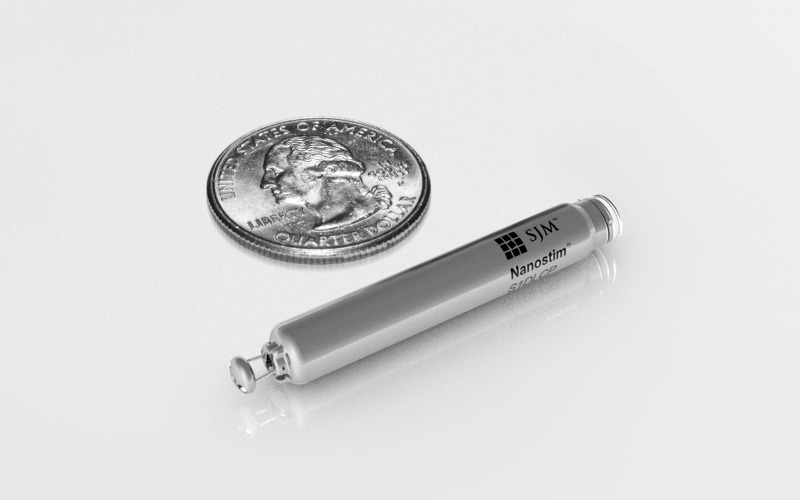
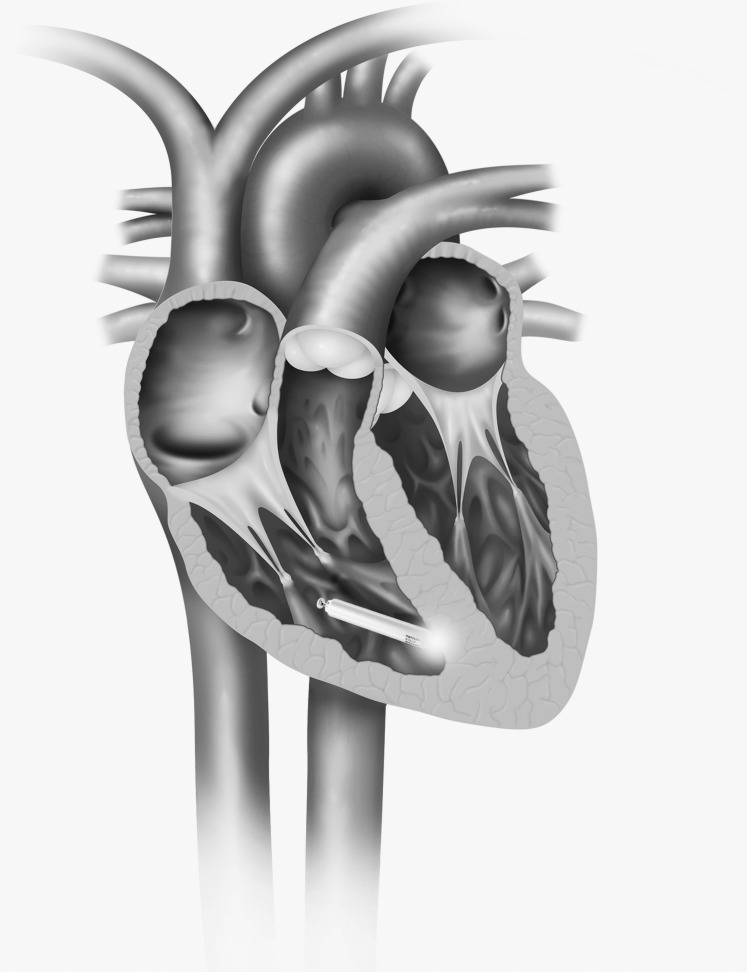
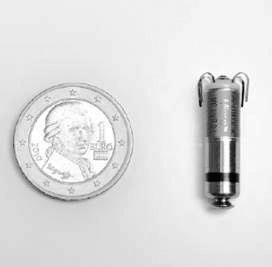
Methods: We discuss the 2 leadless cardiac pacemakers (LCPs), the Nanostim Leadless Pacemaker and Micra Transcatheter Pacing System, and the 1 ultrasound-powered device, the WiCS-LV, that have been studied in humans. Currently LCPs are restricted to single-chamber pacing, specifically, ventricular pacing. Dual-chamber pacing and multichamber pacing with leadless systems have yet to be studied.
Results: LCPs represent the greatest advancement in bradycardia therapy since the first transvenous pacemaker implantation more than 50 years ago.
Conclusion: Initial studies of both the Nanostim and Micra LCPs show favorable efficacy and safety results compared to transvenous pacemakers. Pending US Food and Drug Administration approval, these devices will transform our ability to provide pacing for patients with bradyarrhythmias. Future developments may allow for completely leadless single-chamber and multichamber pacing, ushering in an era of pacing without wires.
Keywords: Bradycardia; cardiac pacing–artificial; pacemaker–artificial.
Figures
References
-
- Parsonnet V, Zucker IR, Gilbert L, Maxim ASA M. An intracardiac bipolar electrode for interim treatment of complete heart block. Am J Cardiol. 1962. August; 10: 261- 265. - PubMed
-
- Ellenbogen KA, Hellkamp AS, Wilkoff BL, et al. Complications arising after implantation of DDD pacemakers: the MOST experience. Am J Cardiol. 2003. September 15; 92 6: 740- 741. - PubMed
Publication types
LinkOut - more resources
Full Text Sources
Other Literature Sources