


Therapeutic alternatives for the treatment of type 1 hepatorenal syndrome: A Delphi technique-based consensus
- PMID: 27660674
- PMCID: PMC5026999
- DOI: 10.4254/wjh.v8.i25.1075
Therapeutic alternatives for the treatment of type 1 hepatorenal syndrome: A Delphi technique-based consensus
Abstract
Aim: To propose several alternatives treatment of type 1 hepatorenal syndrome (HRS-1) what is the most severe expression of circulatory dysfunction on patients with portal hypertension.
Methods: A group of eleven gastroenterologists and nephrologists performed a structured analysis of available literature. Each expert was designated to review and answer a question. They generated draft statements for evaluation by all the experts. Additional input was obtained from medical community. In order to reach consensus, a modified three-round Delphi technique method was used. According to United States Preventive Services Task Force criteria, the quality of the evidence and level of recommendation supporting each statement was graded.
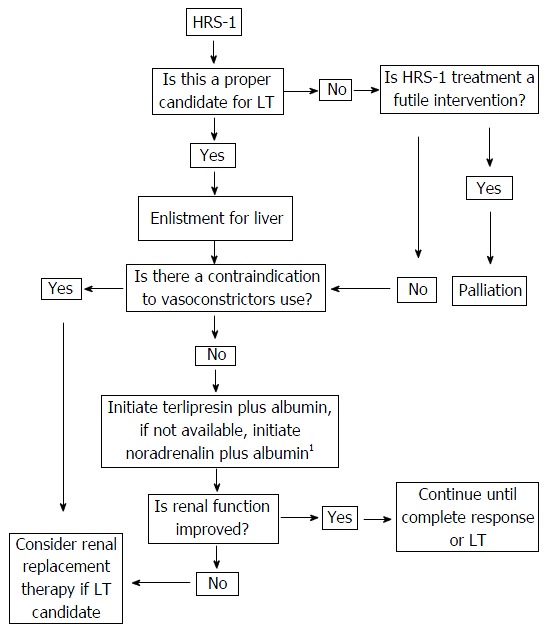
Results: Nine questions were formulated. The available evidence was evaluated considering its quality, number of patients included in the studies and the consistency of its results. The generated questions were answered by the expert panel with a high level of agreement. Thus, a therapeutic algorithm was generated. The role of terlipressin and norepinephrine was confirmed as the pharmacologic treatment of choice. On the other hand the use of the combination of octreotide, midodrine and albumin without vasoconstrictors was discouraged. The role of several other options was also evaluated and the available evidence was explored and discussed. Liver transplantation is considered the definitive treatment for HRS-1. The present consensus is an important effort that intends to organize the available strategies based on the available evidence in the literature, the quality of the evidence and the benefits, adverse effects and availability of the therapeutic tools described.
Conclusion: Based on the available evidence the expert panel was able to discriminate the most appropriate therapeutic alternatives for the treatment of HRS-1.
Keywords: Consensus; Delphi; Evidence-based medicine; Hepatorenal syndrome; Treatment.
Figures
References
-
- Ginès A, Escorsell A, Ginès P, Saló J, Jiménez W, Inglada L, Navasa M, Clària J, Rimola A, Arroyo V. Incidence, predictive factors, and prognosis of the hepatorenal syndrome in cirrhosis with ascites. Gastroenterology. 1993;105:229–236. - PubMed
-
- Montoliu S, Ballesté B, Planas R, Alvarez MA, Rivera M, Miquel M, Masnou H, Cirera I, Morillas RM, Coll S, et al. Incidence and prognosis of different types of functional renal failure in cirrhotic patients with ascites. Clin Gastroenterol Hepatol. 2010;8:616–622; quiz e80. - PubMed
-
- Alessandria C, Ozdogan O, Guevara M, Restuccia T, Jiménez W, Arroyo V, Rodés J, Ginès P. MELD score and clinical type predict prognosis in hepatorenal syndrome: relevance to liver transplantation. Hepatology. 2005;41:1282–1289. - PubMed
-
- Harris RP, Helfand M, Woolf SH, Lohr KN, Mulrow CD, Teutsch SM, Atkins D. Current methods of the US Preventive Services Task Force: a review of the process. Am J Prev Med. 2001;20:21–35. - PubMed
LinkOut - more resources
Full Text Sources
Other Literature Sources
