Psoriatic T cells recognize neolipid antigens generated by mast cell phospholipase delivered by exosomes and presented by CD1a
- PMID: 27670592
- PMCID: PMC5068234
- DOI: 10.1084/jem.20160258
Psoriatic T cells recognize neolipid antigens generated by mast cell phospholipase delivered by exosomes and presented by CD1a
Abstract
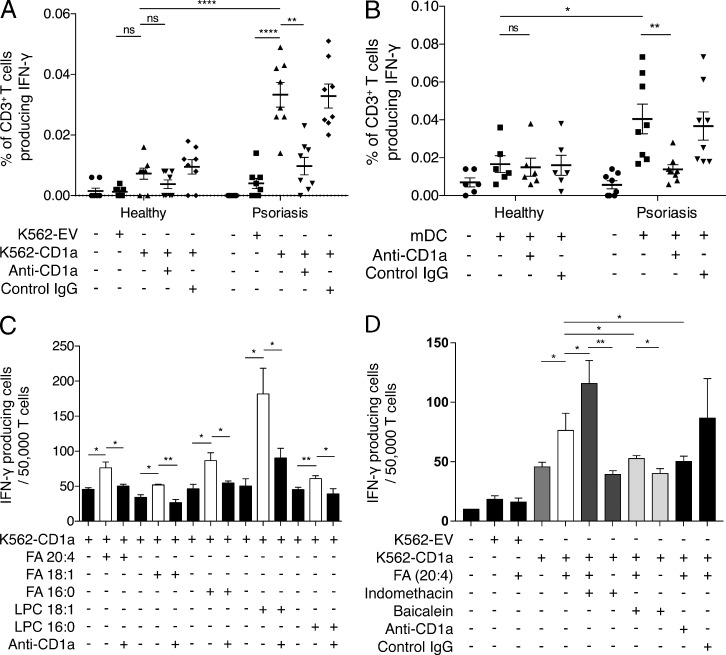
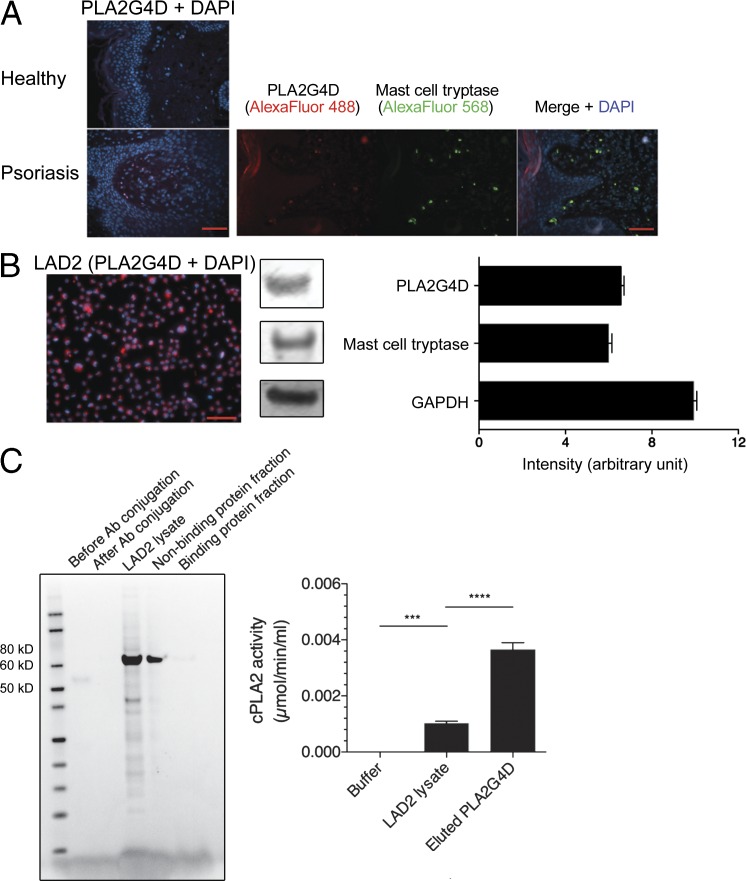
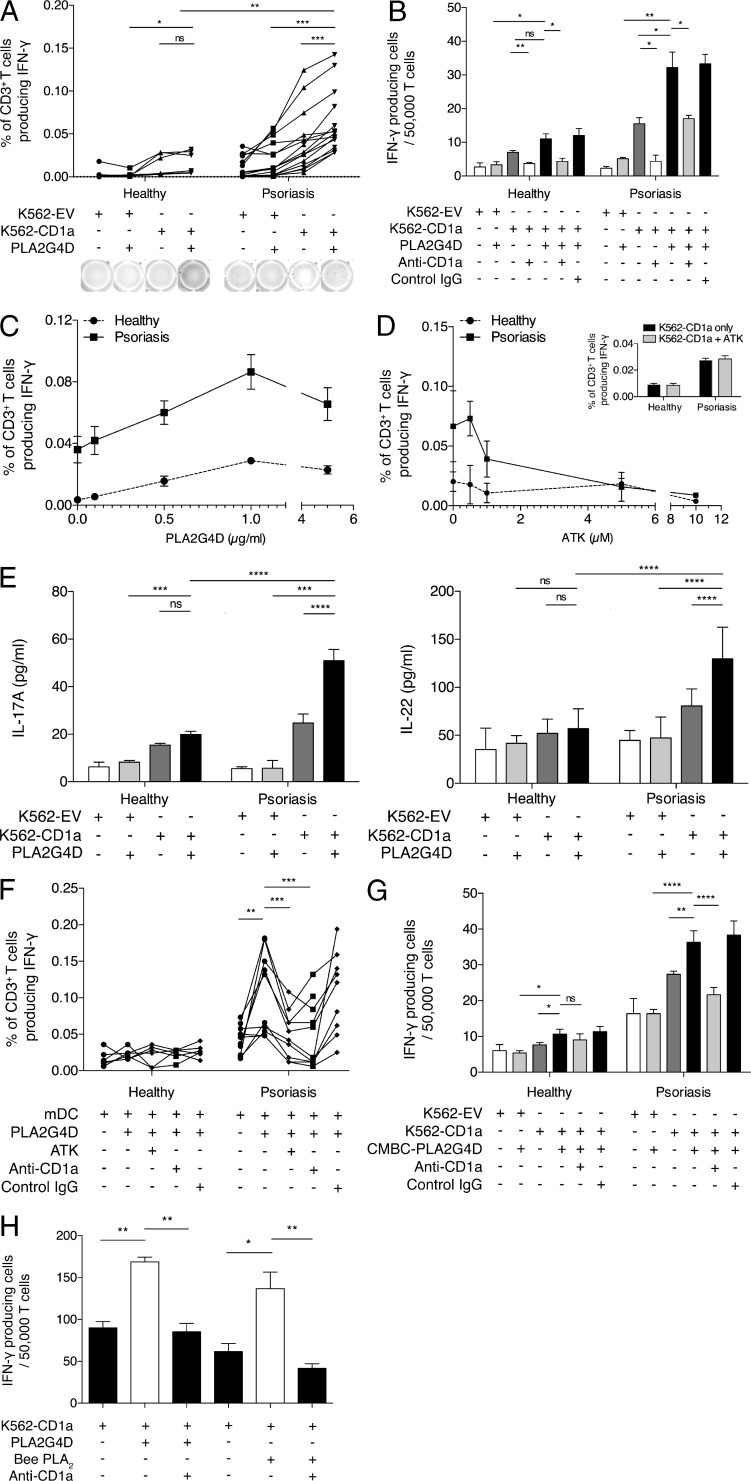
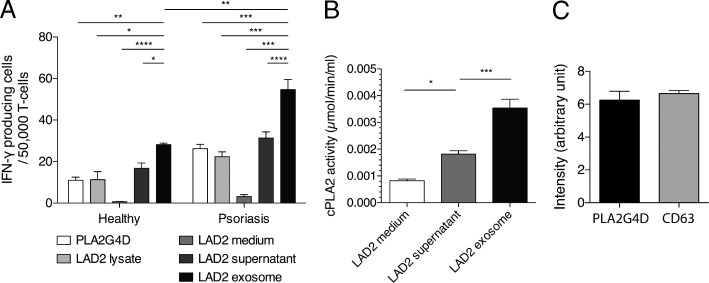
Psoriasis is a chronic inflammatory skin disease associated with a T helper 17 response. Yet, it has proved challenging to identify relevant peptide-based T cell antigens. Antigen-presenting Langerhans cells show a differential migration phenotype in psoriatic lesions and express constitutively high levels of CD1a, which presents lipid antigens to T cells. In addition, phospholipase A2 (PLA2) is highly expressed in psoriatic lesions and is known to generate neolipid skin antigens for recognition by CD1a-reactive T cells. In this study, we observed expression of a cytoplasmic PLA2 (PLA2G4D) in psoriatic mast cells but, unexpectedly, also found PLA2G4D activity to be extracellular. This was explained by IFN-α-induced mast cell release of exosomes, which transferred cytoplasmic PLA2 activity to neighboring CD1a-expressing cells. This led to the generation of neolipid antigens and subsequent recognition by lipid-specific CD1a-reactive T cells inducing production of IL-22 and IL-17A. Circulating and skin-derived T cells from patients with psoriasis showed elevated PLA2G4D responsiveness compared with healthy controls. Overall, these data present an alternative model of psoriasis pathogenesis in which lipid-specific CD1a-reactive T cells contribute to psoriatic inflammation. The findings suggest that PLA2 inhibition or CD1a blockade may have therapeutic potential for psoriasis.
© 2016 Cheung et al.
Figures
References
-
- Austin L.M., Ozawa M., Kikuchi T., Walters I.B., and Krueger J.G.. 1999. The majority of epidermal T cells in Psoriasis vulgaris lesions can produce type 1 cytokines, interferon-γ, interleukin-2, and tumor necrosis factor-α, defining TC1 (cytotoxic T lymphocyte) and TH1 effector populations: a type 1 differentiation bias is also measured in circulating blood T cells in psoriatic patients. J. Invest. Dermatol. 113:752–759. 10.1046/j.1523-1747.1999.00749.x - DOI - PubMed
Publication types
MeSH terms
Substances
Grants and funding
LinkOut - more resources
Full Text Sources
Other Literature Sources
Medical
Molecular Biology Databases