


Psychosocial interventions for psychostimulant misuse
- PMID: 27684277
- PMCID: PMC6457581
- DOI: 10.1002/14651858.CD011866.pub2
Psychosocial interventions for psychostimulant misuse
Update in
-
Psychosocial interventions for stimulant use disorder.Cochrane Database Syst Rev. 2024 Feb 15;2(2):CD011866. doi: 10.1002/14651858.CD011866.pub3. Cochrane Database Syst Rev. 2024. PMID: 38357958 Free PMC article.
Abstract
Background: Psychostimulant misuse is a continuously growing medical and social burden. There is no evidence proving the efficacy of pharmacotherapy. Psychosocial interventions could be a valid approach to help patients in reducing or ceasing drug consumption.
Objectives: To assess the effects of psychosocial interventions for psychostimulant misuse in adults.
Search methods: We searched the Cochrane Drugs and Alcohol Group Specialised Register (via CRSLive); Cochrane Central Register of Controlled Trials (CENTRAL); MEDLINE; EMBASE; CINAHL; Web of Science and PsycINFO, from inception to November 2015. We also searched for ongoing and unpublished studies via ClinicalTrials.gov (www.clinicaltrials.gov) and the World Health Organization (WHO) International Clinical Trials Registry Platform (ICTRP) (apps.who.int/trialsearch/).All searches included non-English language literature. We handsearched references of topic-related systematic reviews and the included studies.
Selection criteria: We included randomised controlled trials comparing any psychosocial intervention with no intervention, treatment as usual (TAU) or a different intervention in adults with psychostimulant misuse or dependence.
Data collection and analysis: We used the standard methodological procedures expected by Cochrane.
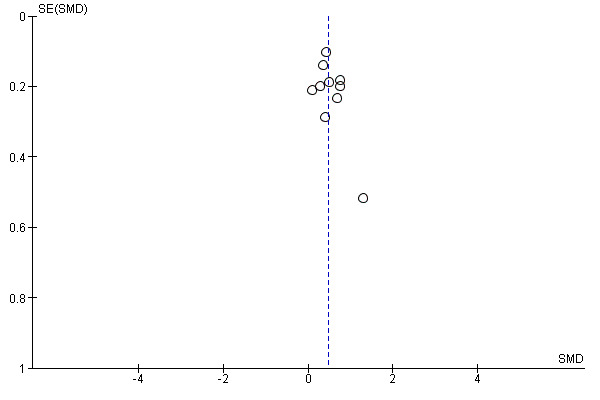
Main results: We included a total of 52 trials (6923 participants).The psychosocial interventions considered in the studies were: cognitive behavioural therapy (19 studies), contingency management (25 studies), motivational interviewing (5 studies), interpersonal therapy (3 studies), psychodynamic therapy (1 study), 12-step facilitation (4 studies).We judged most of the studies to be at unclear risk of selection bias; blinding of personnel and participants was not possible for the type of intervention, so all the studies were at high risk of performance bias with regard to subjective outcomes; the majority of studies did not specify whether the outcome assessors were blind. We did not consider it likely that the objective outcomes were influenced by lack of blinding.The comparisons made were: any psychosocial intervention versus no intervention (32 studies), any psychosocial intervention versus TAU (6 studies), and one psychosocial intervention versus an alternative psychosocial intervention (13 studies). Five of included studies did not provide any useful data for inclusion in statistical synthesis.We found that, when compared to no intervention, any psychosocial treatment: reduced the dropout rate (risk ratio (RR): 0.83, 95% confidence interval (CI) 0.76 to -0.91, 24 studies, 3393 participants, moderate quality evidence); increased continuous abstinence at the end of treatment (RR: 2.14, 95% CI 1.27 to -3.59, 8 studies, 1241 participants, low quality evidence); did not significantly increase continuous abstinence at the longest follow-up (RR: 2.12, 95% CI 0.77 to -5.86, 4 studies, 324 participants, low quality evidence); significantly increased the longest period of abstinence: (standardised mean difference (SMD): 0.48, 95% CI 0.34 to 0.63, 10 studies, 1354 participants, high quality evidence). However, it should be noted that the in the vast majority of the studies in this comparison the specific psychosocial treatment assessed in the experimental arm was given in add on to treatment as usual or to another specific psychosocial or pharmacological treatment which was received by both groups. So, many of the control groups in this comparison were not really untreated. Receiving some amount of treatment is not the same as not receiving any intervention, so we could argue that the overall effect of the experimental psychosocial treatment could be smaller if given in add on to TAU or to another intervention than if given to participants not receiving any intervention; this could translate to a smaller magnitude of the effect of the psychosocial intervention when it is given in add on.When compared to TAU, any psychosocial treatment reduced dropout rate (RR: 0.72, 95% CI 0.59 to 0.89, 6 studies, 516 participants, moderate quality evidence), did not increase continuous abstinence at the end of treatment (RR: 1.27, 95% CI 0.94 to 1.72, 2 studies, 224 participants, low quality evidence), did not increase longest period of abstinence (MD -3.15 days, 95% CI -10.35 to 4.05, 1 study, 110 participants, low quality evidence). No studies in this comparison assessed the outcome of continuous abstinence at longest follow-up.There were few studies comparing two or more psychosocial interventions, with small sample sizes and considerable heterogeneity in terms of the types of interventions assessed. None reported significant results.None of the studies reported harms related to psychosocial interventions.
Authors' conclusions: The addition of any psychosocial treatment to treatment as usual (usually characterised by group counselling or case management) probably reduces the dropout rate and increases the longest period of abstinence. It may increase the number of people achieving continuous abstinence at the end of treatment, although this might not be maintained at longest follow-up. The most studied and the most promising psychosocial approach to be added to treatment as usual is probably contingency management. However, the other approaches were only analysed in a few small studies, so we cannot rule out the possibility that the results were not significant because of imprecision. When compared to TAU, any psychosocial treatment may improve adherence, but it may not improve abstinence at the end of treatment or the longest period of abstinence.The majority of the studies took place in the United States, and this could limit the generalisability of the findings, because the effects of psychosocial treatments could be strongly influenced by the social context and ethnicity. The results of our review do not answer the most relevant clinical question, demonstrating which is the most effective type of psychosocial approach.Further studies should directly compare contingency management with the other psychosocial approaches.
Conflict of interest statement
Silvia Minozzi: none known.
Rosella Saulle: none known.
Franco De Crescenzo: none known.
Laura Amato: none known.
Figures




References
References to studies included in this review
Baker 2001 {published data only}
-
- Baker A, Boggs TG, Lewin TJ. Randomized controlled trial of brief cognitive‐behavioural interventions among regular users of amphetamine. Addiction 2001;96(9):1279‐87. - PubMed
Baker 2005 {published data only}
-
- ACTRN12611000355976. Cognitive behavioural therapy for the reduction of methamphetamine use among people who are regular users of methamphetamines. www.anzctr.org.au/Trial/Registration/TrialReview.aspx?id=336758&isRe... 9 November 2015.
-
- Baker A, Lee NK, Claire M, Lewin TJ, Grant T, Pohlman S, et al. Brief cognitive behavioural interventions for regular amphetamine users: a step in the right direction. Addiction 2005;100(3):367–78. - PubMed
Carroll 1991 {published data only}
-
- Carrol KM, Rounsaville BJ, Gawin FH. A comparative trial of psychotherapies for ambulatory cocaine abusers: relapse prevention and interpersonal psychotherapy. American Journal of Dug and Alcohol Abuse 1991;17(3):229‐47. - PubMed
Carroll 1994 {published data only}
-
- Carrol KM, Nich C, Rounsaville BJ. Differential symptom reduction in depressed cocaine abusers treated with psychotherapy and pharmacotherapy. The Journal of Nervous and Mental Disease 1995;183(4):251‐9. - PubMed
-
- Carroll KM, Rounsaville BJ, Gordon LT, Nich C, Jatlow P, Bisighini RM, et al. Psychotherapy and pharmacotherapy for ambulatory cocaine abusers. Archives of General Psychiatry 1994;51(3):177‐87. - PubMed
-
- Carroll KM, Rounsaville BJ, Nich C, Gordon LT, Wirtz PW, Gawin F, et al. One‐year follow‐up of psychotherapy and pharmacotherapy for cocaine dependence: delayed emergence of psychotherapy effects. Archives of General Psychiatry 1994;51(12):989‐97. - PubMed
Carroll 1998 {published data only}
-
- Carroll KM, Nich C, Ball SA, McCance E, Frankforter TL, Rounsaville BJ. One‐year follow‐up of disulphiram and psychotherapy for cocaine‐alcohol users: sustained effects of treatment. Addiction 2000;95(9):1335‐49. - PubMed
-
- Carroll KM, Nich C, Ball SA, McCance E, Rounsavile BJ. Treatment of cocaine and alcohol dependence with psychotherapy and disulphiram. Addiction 1998;93(5):713‐28. - PubMed
Carroll 2004 {published data only}
Carroll 2012 {published data only}
Carroll 2014 {published data only}
Crits‐Christoph 1999 {published data only}
-
- Barber JP, Foltz C, Crits‐Christoph P, Chittams J. Therapists' adherence and competence and treatment discrimination in the NIDA Collaborative Cocaine Treatment Study. Journal of Clinical Psychology 2004;60(1):29‐41. - PubMed
-
- Crits‐Christoph P, Siqueland L, Blaine J, Frank A, Luborsky L, Onken LS, et al. Psychosocial treatments for cocaine dependence: National Institute of Drug Abuse Collaborative Cocaine Treatment Study. Archives of General Psychiatry 1999;56(6):493‐502. - PubMed
-
- Crits‐Christoph P, Siqueland L, Blaine J, Frank A, Luborsky L, Onken LS, et al. The National Institute on Drug Abuse Collaborative Cocaine Treatment Study. Rationale and methods. Archives of General Psychiatry 1997;54(8):721‐6. - PubMed
-
- Najavits LM, Harned MS, Gallop RJ, Butler SF, Barber JP, Thase ME, et al. Six‐month treatment outcomes of cocaine‐dependent patients with and without PTSD in a multisite national trial. Journal of Studies on Alcohol and Drugs 2007;68(3):353‐61. - PubMed
-
- Siqueland L, Crits‐Christoph P, Frank A, Daley D, Weiss R, Chittams J, et al. Predictors of dropout from psychosocial treatment of cocaine dependence. Drug and Alcohol Dependence 1998;52(1):1‐13. - PubMed
Dursteler‐MacFarland 2013 {published data only}
-
- Dursteler‐MacFarland KM, Farronato NS, Strasser J, Boss J, Kuntze MF, Petitjean SA, et al. A randomized, controlled, pilot trial of methylphenidate and cognitive‐behavioral group therapy for cocaine dependence in heroin prescription. Journal of Clinical Pharmacology 2013;33(1):104‐8. - PubMed
Festinger 2014 {published data only}
-
- NCT01366716. Contingency management for cocaine dependence: cash versus vouchers. clinicaltrials.gov/show/NCT01366716 9 November 2015.
Garcia‐Fernandez 2011 {published data only}
-
- Garcia‐Fernandez G, Secades‐Villa R, Garcia‐Rodriguez O, Alvarez‐Lopez H, Fernandez‐Hermida JR, Fernandez‐Artamendi S, et al. Long‐term benefits of adding incentives to the community reinforcement approach for cocaine dependence. European Addiction Research 2011;17(3):139‐45. - PubMed
-
- García‐Fernández G, Secades‐Villa R, García‐Rodríguez O, Sánchez‐Hervás E, Fernández‐Hermida JR, Higgins ST. Adding voucher‐based incentives to community reinforcement approach improves outcomes during treatment for cocaine dependence. The American Journal on Addictions 2011;20(5):456‐61. - PubMed
Garcia‐Rodriguez 2007 {published data only}
-
- Garcia‐Rodriguez O, Secades‐Villa R, Alvarez Rodriguez H, Rio Rodriguez A, Fernandez‐Hermida JR, Carballo JL, et al. [Effect of incentives on retention in an outpatient treatment for cocaine addicts] [Efecto de los incentivos sobre la retención en un tratamiento ambulatorio para adictos a la cocaína]. Psicothema 2007;19(1):134‐9. - PubMed
-
- Garcia‐Rodriguez O, Secades‐Villa R, Higgins ST, Fernandez‐Hermida JR, Carballo JL, Errasti Perez JM, et al. Effects of voucher‐based intervention on abstinence and retention in an outpatient treatment for cocaine addiction: a randomized controlled trial. Experimental and Clinical Psychopharmacology 2009;17(3):131‐8. - PubMed
-
- Secades‐Villa R, Garcia‐Rodriguez O, Higgins ST, Fernandez‐Hermida JR, Carballo JL. Community reinforcement approach plus vouchers for cocaine dependence in a community setting in Spain: six‐month outcomes. Journal of Substance Abuse Treatment 2008;34(2):202‐7. - PubMed
Ghitza 2007 {published data only}
Hagedorn 2013 {published data only}
-
- Hagedorn HJ, Noorbaloochi S, Simon AB, Bangerter A, Stitzer ML, Stetler CB, et al. Rewarding early abstinence in Veterans Health Administration addiction clinics. Journal of Substance Abuse treatment 2013;45(1):109‐17. - PubMed
Higgins 1993 {published data only}
-
- Higgins ST, Budney AJ, Bickel WK, Badger GJ, Foerg FE, Ogden D. Outpatient behavioral treatment for cocaine dependence one‐year outcome. Experimental and Clinical Psychopharmacology 1995;3(2):205‐12.
-
- Higgins ST, Budney AJ, Bickel WK, Hughes JR, Foerg FE, Badger GJ. Achieving cocaine abstinence with a behavioral approach. American Journal of Psychiatry 1993;150(5):763‐9. - PubMed
Higgins 1994 {published data only}
-
- Higgins ST, Budney AJ, Bickel WK, Badger GJ, Foerg FE, Ogden D. Outpatient behavioral treatment for cocaine dependence. one‐year outcome. Experimental and Clinical Psychopharmacology 1995;3(2):205‐12.
-
- Higgins ST, Budney AJ, Bickel WK, Foerg FE, Donham R, Badger GJ. Incentives improve outcome in outpatient behavioral treatment of cocaine dependence. Archives of General Psychiatry 1994;51(July):568‐76. - PubMed
Higgins 2000 {published data only}
-
- Higgins ST, Wong CJ, Badger GJ, Ogden DEH, Dantona RL. Contingent reinforcement increases cocaine abstinence during outpatient treatment and 1 year of follow‐up. Journal of Consulting and Clinical Psychology 2000;68(1):64‐72. - PubMed
Higgins 2003 {published data only}
-
- Higgins ST, Sigmon SC, Wong CJ, Heil SH, Badger GJ, Donham R, et al. Community reinforcement therapy for cocaine‐dependent outpatients. Archives of General Psychiatry 2003;60(10):1043‐52. - PubMed
Ingersoll 2011 {published data only}
Kirby 1998a {published data only}
-
- Kirby KC, Marlowe DB, Lamb RJ, Platt JJ. Schedule of voucher delivery influences initiation of cocaine abstinence. Journal of Consulting and Clinical Psychology 1998;66(5):761‐7. - PubMed
Knealing 2006 {published data only}
-
- Knealing TW, Wong CJ, Diemer KN, Hampton J, Silverman K. A randomized controlled trial of the therapeutic workplace for community methadone patients: a partial failure to engage. Experimental and Clinical Psychopharmacology 2006;14(3):350‐60. - PubMed
Landovitz 2015 {published data only}
Ledgerwood 2006 {published data only}
-
- Ledgerwood DM, Petry NM. Does contingency management affect motivation to change substance use?. Drug and Alcohol Dependence 2006; Vol. 83, issue 1:65‐72. - PubMed
Marsden 2006 {published data only}
-
- Marsden J, Stillwell G, Barlow H, Boys A, Taylor C, Hunt N, et al. An evaluation of a brief motivational intervention among young ecstasy and cocaine users: no effect on substance and alcohol use outcomes. Addiction 2006;101:1014‐26. - PubMed
Maude‐Griffin 1998 {published data only}
-
- Maude‐Griffin PM, Hohenstein JM, Humfleet GL, Reilly PM, Tusel DJ, Hall SM. Superior efficacy of cognitive‐behavioral therapy for urban crack cocaine abusers: main and matching effects. Journal of Consulting and Clinical Psychology 1998;66(5):832‐7. - PubMed
McDonell 2013 {published data only}
McKee 2007 {published data only}
Menza 2010 {published data only}
Milby 2008 {published data only}
Mitcheson 2007 {published data only}
-
- Mitcheson L, McCambridge J, Byrne S. Pilot cluster‐randomised trial of adjunctive motivational interviewing to reduce crack cocaine use in clients on methadone maintenance. European Addiction Research 2007;13(1):6‐10. - PubMed
NCT01140880 {published data only}
-
- NCT01140880. Biobehavioral Interventions for HIV‐negative, stimulant using men who have sex with men. clinicaltrials.gov/show/NCT01140880 8 March 2016.
Peirce 2006 {published data only}
-
- Peirce JM, Petry NM, Stitzer ML, Blaine J, Kellogg S, Satterfield F, et al. Effects of lower‐cost incentives on stimulant abstinence in methadone maintenance treatment: a National Drug AbuseTreatment Clinical Trials Network study. Archives of General Psychiatry 2006 Feb;63(2):201‐8. - PubMed
Petitjean 2014 {published data only}
-
- NCT00877435. Prize reinforcement contingency management for cocaine dependence: a 24‐week randomized controlled trial. clinicaltrials.gov/show/NCT00877435 8 March 2016.
-
- Petitjean SA, Dürsteler‐MacFarland KM, Krokar MC, Strasser J, Mueller SE, Degen B, et al. A randomized, controlled trial of combined cognitive‐behavioral therapy plus prize‐based contingency management for cocaine dependence. Drug and Alcohol Dependence 2014;145:94‐100. - PubMed
Petry 2005a {published data only}
-
- Petry NM, Peirce JM, Stitzer ML, Blaine J, Roll JM, Cohen A, et al. Effect of prize‐based incentives on outcomes in stimulant abusers in outpatient psychosocial treatment programs: a national drug abuse treatment clinical trials network study. Archives of General Psychiatry 2005;62(10):1148‐56. - PubMed
Petry 2005b {published data only}
-
- Petry NM, Martin B, Simcic F. Prize reinforcement contingency management for cocaine dependence: integration with group therapy in a methadone clinic. Journal of Consulting and Clinical Psychology 2005;73(2):354‐9. - PubMed
Petry 2007 {published data only}
-
- Petry NM, Alessi S M, Hanson T, Sierra S. Randomized trial of contingent prizes versus vouchers in cocaine‐using methadone patients. Journal of Consulting and Clinical Psychology 2007;75(6):983‐91. - PubMed
Petry 2012a {published data only}
Petry 2012b {published data only}
Petry 2013 {published data only}
Poling 2006 {published data only}
-
- Poling J, Oliveto A, Petry N, Sofuoglu M, Gonsai K, Gonzalez G, et al. Six‐month trial of bupropion with contingency management for cocaine dependence in a methadone‐maintained population. Archives of General Psychiatry 2006; Vol. 63:219‐28. - PubMed
Rawson 2002 {published data only}
-
- Farabee D, Rawson R, McCann M. Adoption of drug avoidance activities among patients in contingency management and cognitive‐behavioral treatments. Journal of Substance Abuse Treatment 2002;23(4):343‐50. - PubMed
-
- Rawson RA, Huber A, McCann M, Shoptaw S, Farabee D, Reiber C, et al. A comparison of contingency management and cognitive‐behavioral approaches during methadone maintenance treatment for cocaine dependence. Archives of General Psychiatry 2002;59(9):817‐24. - PubMed
Roll 2013 {published data only}
Sanchez‐Hervas 2010 {published data only}
-
- Sanchez‐Hervas E, Secades‐Villa R, Zacares Romaguera F, Garcia‐Rodriguez O, Fernandez‐Hermida JR, Santonja Gomez FJ. Psychological treatment for cocaine addicts in public health services [Tratamiento psicologico para dependientes a la cocaina en la red sanitaria publica]. Trastornos adictivos 2008;10(4):275‐83.
-
- Sanchez‐Hervas E, Zacares‐Romaguera F, Garcia‐Rodriguez O, Secades‐Villa R, Fernandez‐Hermida JR. Community reinforcement approach (CRA) for cocaine addicts: establishment in a public health setting. Anales de Psiquiatria 2008;24(4):153‐8.
-
- Secades‐Villa R, Sanchez‐Hervas E, Zacares‐Romaguera F, Garcia‐Rodriguez O, Santonja‐Gomez FJ, Garcia‐Fernandez G. Community Reinforcement Approach (CRA) for cocaine dependence in the Spanish public health system: 1 year outcome. Drug and Alcohol Review 2011;30(6):606‐12. - PubMed
Schottenfeld 2011 {published data only}
-
- NCT00914381. Behavioral treatment for cocaine dependent women. clinicaltrials.gov/show/NCT00914381 2009.
-
- Schottenfeld RS, Moore B, Pantalon MV. Contingency management with community reinforcement approach or twelve‐step facilitation drug counseling for cocaine dependent pregnant women or women with young children. Drug and Alcohol Dependence 2011;118:48‐55. - PubMed
Secades Villa 2013 {published data only}
-
- Secades‐Villa R, Garcia‐Fernandez G, Pena‐Suarez E, Garcia‐Rodriguez O, Sanchez‐Hervas E, Fernandez‐Hermida JR. Contingency management is effective across cocaine‐dependent outpatients with different socioeconomic status. Journal of Substance Abuse Treatment 2013;44(3):349‐54. - PubMed
Shoptaw 2005 {published data only}
-
- Jaffe A, Shoptaw S, Stein J, Reback CJ, Rotheram‐Fuller E. Depression ratings, reported sexual risk behaviors, and methamphetamine use: latent growth curve models of positive change among gay and bisexual men in an outpatient treatment program. Experimental and Clinical Psychopharmacology 2007;15(3):301‐7. - PubMed
-
- Shoptaw S, Reback CJ, Peck JA, Yang X, Rotheram‐Fuller E, Larkins S, et al. Behavioral treatment approaches for methamphetamine dependence and HIV‐related sexual risk behaviors among urban gay and bisexual men. Drug and Alcohol Dependence 2005;78(2):125‐34. - PubMed
Shoptaw 2008 {published data only}
-
- Shoptaw S, Reback CJ, Larkins S, Wang PC, Rotheram‐Fuller E, Dang J, et al. Outcomes using two tailored behavioral treatments for substance abuse in urban gay and bisexual men. Journal of Substance Abuse Treatment 2008; Vol. 35, issue 3:285‐93. - PubMed
Silverman 1996 {published data only}
-
- Silverman K, Higgins ST, Brooner RK, Montoya ID, Cone EJ, Schuster CR, et al. Sustained cocaine abstinence in methadone maintenance patients through voucher‐based reinforcement therapy. Archives of General Psychiatry 1996;53(5):409‐15. - PubMed
Silverman 1998 {published data only}
-
- Silverman K, Wong CJ, Umbricht‐Schneiter A, Montoya ID, Schuster CR, Preston KL. Broad beneficial effects of cocaine abstinence reinforcement among methadone patients. Journal of Consulting and Clinical Psychology 1998;66(5):811‐24. - PubMed
Smout 2010 {published data only}
-
- Smout MF, Longo M, Harrison S, Minniti R, Wickes W, White JM. Psychosocial treatment for methamphetamine use disorders: a preliminary randomized controlled trial of cognitive behavior therapy and Acceptance and Commitment Therapy. Substance Abuse 2010; Vol. 31, issue 2:98‐107. - PubMed
Stein 2009 {published data only}
-
- Stein MD, Herman DS, Anderson BJ. A motivational intervention trial to reduce cocaine use. Journal of Substance Abuse Treatment 2009;36:118‐25. - PubMed
References to studies excluded from this review
Alessi 2007 {published data only}
-
- Alessi SM, Hanson T, Wieners M, Petry NM. Low‐cost contingency management in community clinics: delivering incentives partially in group therapy. Experimental and Clinical Psychopharmacology 2007;15(3):293‐300. - PubMed
Alim 1995 {published data only}
-
- Alim TN, Rosse RB, Vocci FJ Jr, Lindquist T, Deutsch SI. Dethylpropion pharmacotherapeutic adjuvant therapy for inpatient treatment of cocaine dependence: a test of the cocaine‐agonist hypothesis. Clinical Neuropharmacology 1995;18(2):183‐95. - PubMed
Azrin 1994 {published data only}
-
- Azrin NH, McMahon PT, Donouhe B, Besalel VA, Lapinski KJ, Kogan ES, et al. Behavior therapy for drug abuse: a controlled treatment outcome study. Behaviour Research & Therapy 1994;32(8):857‐66. - PubMed
Azrin 1996 {published data only}
-
- Azrin NH, Acierno R, Kogan ES, Donouhe B, Besalel VA, McMahon PT. Follow‐up results of Supportive versus Behavioral Therapy for illicit drug use. Behaviour Research & Therapy 1996;34(1):41‐6. - PubMed
Barrowclough 2009 {published data only}
-
- Barrowclough C, Haddock G, Beardmore R, Conrod P, Craig T, Davies L, et al. Evaluating integrated MI and CBT for people with psychosis and substance misuse: recruitment, retention and sample characteristics of the MIDAS trial. Addictive Behaviors 2009;34(10):859‐66. - PubMed
Bellack 2006 {published data only}
-
- Bellack AS, Bennett ME, Gearon JS, Brown CH, Yang Y. A randomized clinical trial of a new behavioral treatment for drug abuse in people with severe and persistent mental illness. Archives of General Psychiatry 2006;63(4):426‐32. - PubMed
Bickel 2008 {published data only}
Brewer 2009 {published data only}
-
- Brewer JA, Sinha R, Chen JA, Michalsen RN, Babuscio TA, Nich C, et al. Mindfulness training and stress reactivity in substance abuse: results from a randomized, controlled stage I pilot study. Substance Abuse: Official Publication of the Association for Medical Education and Research in Substance Abuse 2009;30(4):306‐17. - PMC - PubMed
Brooner 1998 {published data only}
-
- Brooner RK, Kidorf M, King VL, Stoller K. Preliminary evidence of good treatment response in antisocial drug abusers. Drug and Alcohol Dependence 1998;49:249‐60. - PubMed
Campbell 2014 {published data only}
Chen 2013 {published data only}
-
- Chen KW, Berger CC, Gandhi D, Weintraub E, Lejuez CW. Adding integrative meditation with ear acupressure to outpatient treatment of cocaine addiction: a randomized controlled pilot study. Journal of Alternative and Complementary Medicine 2013;19(3):204‐10. - PubMed
Covi 2002 {published data only}
-
- Covi L, Hess JM, Schroeder JR, Preston KL. A dose response study of cognitive behavioral therapy in cocaine abusers . Journal of Substance Abuse Treatment 2002;23(3):191‐7. - PubMed
Dansereau 1996 {published data only}
-
- Dansereau DF, Joe GW, Dees SM, Simpson DD. Ethnicity and the effects of mapping‐enhance drug abuse counseling. Addictive Behaviors 1996;21(3):363‐76. - PubMed
Dees 1997 {published data only}
-
- Dees SM, Dansereau DF, Simpson DD. Mapping‐enhanced drug abuse counseling: urinalysis results in the first year of methadone treatment. Journal of Substance Abuse Treatment 1997;14(1):45‐54. - PubMed
DeFulio 2009 {published data only}
Donovan 2013 {published data only}
Gawin 1984 {published data only}
-
- Gawin FH, Kleber HD. Cocaine Abuse Treatment. Open Pilot Trial With Desipramine and Lithium Carbonate. Archives of General Psychiatry 1984;41(9):903‐9. - PubMed
Gawin 1989 {published data only}
-
- Gawin FH, Kleber HD, Byck R, Rounsaville BJ, Kosten TR, Jatlow PI, et al. Desipramine facilitation of initial cocaine abstinence. Archives of General Psychiatry 1989;46(2):117‐21. - PubMed
Glasner‐Edwards 2007 {published data only}
-
- Glasner‐Edwards S, Tate SR, McQuaid JR, Cummins K, Granholm E, Brown SA. Mechanisms of action in integrated cognitive‐behavioral treatment versus twelve‐step facilitation for substance‐dependent adults with comorbid major depression. Journal of Studies on Alcohol and Drugs 2007;68(5):663‐72. - PubMed
Gonçalves 2014 {published data only}
-
- Gonçalves PD, Ometto M, Bechara A, Malbergier A, Amaral R, Nicastri S, et al. Motivational interviewing combined with chess accelerates improvement in executive functions in cocaine dependent patients: A one‐month prospective study. Drug and Alcohol Dependence 2014;141:79‐84. - PubMed
Gottheil 1998 {published data only}
-
- Gottheil E, Weinstein SP, Sterling RC, Lundy A, Serota RD. A randomised controlled study of the effectiveness of intensive outpatient treatment for cocaine dependence. Psychiatric Services 1998;49(6):782‐7. - PubMed
-
- Weinstein SP, Gottheil E, Sterling RC. Randomized comparison of intensive outpatient vs individual therapy for cocaine abusers. Journal of Addictive Disorders 1997;16:41‐56. - PubMed
Gross 2006 {published data only}
-
- Gross A, Marsch LA, Badger GJ, Bickel WK. A comparison between low‐magnitude voucher and buprenorphine medication contingencies in promoting abstinence from opioids and cocaine. Experimental and Clinical Psychopharmacology 2006;14(2):148‐56. - PubMed
Hall 1994 {published data only}
-
- Hall SM, Tunis S, Triffleman E, Banys P, Clark HW, Tusel D, et al. Continuity of care and desipramine in primary cocaine abusers. The Journal of Nervous and Mental Disease 1994;182(10):570‐5. - PubMed
Hawkins 1989 {published data only}
-
- Hawkins DJ, Catalano RF, Gillmore MR, Wells EA. Skills training for drug abusers: generalization, maintenance, and effects on drug use. Journal of Consulting and Clinical Psychology 1989;57(4):559‐63. - PubMed
Hoffman 1994 {published data only}
-
- Hoffman JA, Caudill BD, Koman JJ, Luckey JW, Flynn PM, Hubbard RL. Comparative cocaine abuse treatment strategies: enhancing client retention and treatment exposure. Journal of Addictive Diseases 1994;13(4):115‐28. - PubMed
-
- Hoffman JA, Caudill BD, Koman JJ, Luckey JW, Flynn PM, Mayo DW. Psychosocial treatments for cocaine abuse: 12‐month treatment outcomes. Journal of Substance Abuse Treatment 1996;13(1):3‐11. - PubMed
Islam 2014 {published data only}
-
- Islam LZ. Using behavioral incentives to promote exercise compliance in women with cocaine dependence [Dissertation Abstracts International: Section B: The Sciences and Engineering]. ProQuest Information & Learning. 2014.
Jones 2005 {published data only}
-
- Jones HE, Wong CJ, Tuten M, Stitzer ML. Reinforcement‐based therapy: 12‐month evaluation of an outpatient drug‐free treatment for heroin abusers. Drug and Alcohol Dependence 2005;79(2):119‐28. - PubMed
Kang 1991 {published data only}
-
- Kang SY, Kleinman PH, Woody GE, Millman RB, Todd TC, Kemp J, et al. Outcomes for cocaine abusers after once‐a‐week psychosocial therapy. American Journal of Psychiatry 1991;148(5):630‐5. - PubMed
Keoleian 2013 {published data only}
Kidorf 2013 {published data only}
Kiluk 2010 {published data only}
Knight 1994 {published data only}
-
- Knight DK, Dansereau DF, Joe GW, Simpson DD. The role of node‐link mapping in individual and group counseling. American Journal of Drug and Alcohol Abuse 1994;20(4):517‐27. - PubMed
Kouri 1995 {published data only}
-
- Kouri EM, Lukas SE, Mendelson JH. P300 Assessment of opiate and cocaine users: effects of detoxification and buprenorphine treatment. Biological Psychiatry 1996;40(7):617‐28. - PubMed
Magura 1994 {published data only}
-
- Magura S, Rosenblum A, Lovejoy M, Handelsman L, Foote J, Stimmel B. Neurobehavioral treatment for cocaine‐using methadone patients: a preliminary report. Journal of Addictive Diseases 1994;13(4):143‐60. - PubMed
Marcus 2009 {published data only}
-
- Marcus MT, Schmitz J, Moeller G, Liehr P, Cron SG, Swank P, et al. Mindfulness‐based stress reduction in therapeutic community treatment: a stage 1 trial. American Journal of Drug and Alcohol Abuse 2009;35(2):103‐8. - PubMed
Martino 2006 {published data only}
-
- Martino S, Carroll KM, Nich C, Rounsaville BJ. A randomized controlled pilot study of motivational interviewing for patients with psychotic and drug use disorders. Addiction 2006;101(10):1479‐92. - PubMed
McKay1997 {published data only}
-
- McKay JR, Alterman AI, Cacciola JS, O'Brien CP, Koppenhaver JM, Shepard DS. Continuing care for cocaine dependence comprehensive 2‐year outcomes. Journal of Consulting and Clinical Psychology 1999;67(3):420‐7. - PubMed
-
- McKay JR, Alterman AI, Cacciola JS, Rutherford MJ, O'Brien CP, Koppenhaver J. Group counseling versus individualized relapse prevention aftercare following intensive outpatient treatmentfor cocaine dependence: initial results. Journal of Consulting and Clinical Psychology 1997;65(5):778‐88. - PubMed
McKay 1998 {published data only}
-
- McKay JR, McLellan T, Alterman AI, Cacciola JS, Rutherford MJ, O'Brien CP. Predictors of participation in aftercare sessions and self‐help groups following completion of intensive outpatient treatment for substance abuse. Journal of Studies on Alcohol 1998;59(2):152‐62. - PubMed
McKay 2004 {published data only}
-
- McKay JR, Lynch KG, Shepard DS, Ratichek S, Morrison R, Koppenhaver J, et al. The effectiveness of telephone‐based continuing care in the clinical management of alcohol and cocaine use disorders: 12‐month outcomes. Journal of Consulting and Clinical Psychology 2004;72(6):967‐79. - PubMed
McKay 2005 {published data only}
-
- McKay JR, Lynch KG, Shepard DS, Pettinati HM. The effectiveness of telephone‐based continuing care for alcohol and cocaine dependence: 24‐month outcomes. Archives of General Psychiatry 2005;62(2):199‐207. - PubMed
McKay 2010 {published data only}
McKay2013a {published data only}
McKay 2013b {published data only}
Miller 1983 {published data only}
-
- Miller L, Griffith J. A comparison of bupropion, dextroamphetamine, and placebo in mixed‐substance abusers. Psychopharmacology 1983;80(3):199‐205. - PubMed
Monti 1997 {published data only}
-
- Monti PM, Rohsenow DJ, Michalec E, Martin RA, Abrams DB. Brief coping skills treatment for cocaine abuse: substance use outcomes at three months. Addiction 1997;99(12):1717‐28. - PubMed
-
- Rohsenow DJ, Monti PM, Martin RA, Michalec E, Abrams DB. Brief coping skills treatment for cocaine abuse: 12‐month substance use outcomes. Journal of Consulting and Clinical Psychology 2000;68(3):515‐20. - PubMed
Mueser 2009 {published data only}
-
- Mueser KT, Glynn SM, Cather C, Zarate R, Fox L, Feldman J, et al. Family intervention for co‐occurring substance use and severe psychiatric disorders: Participant characteristics and correlates of initial engagement and more extended exposure in a randomized controlled trial. Addictive Behaviors 2009;34(10):867‐77. - PMC - PubMed
Norberg 2014 {published data only}
-
- Norberg MM, Hides L, Olivier J, Khawar L, McKetin R, Copeland J. Brief interventions to reduce ecstasy use: a multi‐site randomized controlled trial. Behavior Therapy 2014;45(6):745–59. - PubMed
Ollo 1996 {published data only}
-
- Ollo C, Alim TN, Rosse RB, Lindquist T, Green T, Gillis T, et al. Lack of neurotoxic effect of diethylpropion in crack‐cocaine abusers. Clinical Neuropharmacology 1996;19(1):52‐8. - PubMed
Petry 2010 {published data only}
Petry 2011 {published data only}
Polcin 2014 {published data only}
Preston 2008 {published data only}
Rash 2008 {published data only}
Rogers 2008 {published data only}
Rosen 2009 {published data only}
Rosenblum 2005 {published data only}
-
- Rosenblum A, Magura S, Kayman DJ, Fong C. Motivationally enhanced group counselling for substance users in a soup kitchen: a randomised clinical trial. Drug and Alcohol Dependence 2005;80(1):91‐103. - PubMed
Ruger 2012 {published data only}
Santisteban 2011 {published data only}
Saxon 1996 {published data only}
-
- Saxon AJ, Wells EA, Fleming C, Jackson TR, Calsyn DA. pre‐treatment characteristics, program philosophy and level of ancillary services as predictors of methadone maintenance treatment outcome. Addiction 1996;91(8):1197‐209. - PubMed
Schmitz 1997 {published data only}
-
- Schmitz JM, Oswald LM, Jacks SD, Rustin T, Rhoades HM, Grabowski J. Relapse prevention treatment for cocaine dependence: group vs individual format. Addictive Behaviors 1997;22(3):405‐18. - PubMed
Silverman 2001 {published data only}
-
- Silverman K, Svikis D, Robles E, Stitzer ML, Bigelow GE. A reinforcement‐based therapeutic workplace for the treatment of drug abuse. Six‐month abstinence outcomes. Experimental and Clinical Psychopharmacology 2001;9(1):14‐23. - PubMed
Stitzer 2010 {published data only}
Van Horn 2011 {published data only}
Wechsberg 2007 {published data only}
Weddington 1991 {published data only}
-
- Weddington WW, Brown BS, Haertzen CA, Hess JM, Mahaffey JR, Kolar AF, et al. Comparison of amantadine and desipramine combined with psychotherapy for treatment of cocaine dependence. American Journal of Drug and Alcohol Abuse 1991;17(2):137‐52. - PubMed
Weinstein 1997 {published data only}
-
- Weinstein SP, Gottheil E, Sterling RC. Randomized comparison of intensive outpatient vs. individual therapy for cocaine abusers. Journal of Addictive Diseases 1997;16(2):41‐56. - PubMed
Weiss 2007 {published data only}
-
- Weiss RD, Griffin ML, Kolodziej ME, Greenfield SF, Najavits LM, Daley DC, et al. A randomized trial of integrated group therapy versus group drug counseling for patients with bipolar disorder and substance dependence. American Journal of Psychiatry 2007;164(1):100‐7. - PubMed
Winters 2000 {published data only}
-
- Winters KC, Stinchfield RD, Opland E, Weller C, Latimer WW. The effectiveness of the Minnesota Model approach in the treatment of adolescent drug abusers. Addiction 2000;95(4):601‐12. - PubMed
References to studies awaiting assessment
NCT00292110 {published data only}
-
- NCT00292110. Treatment of heroin and cocaine with methadone maintenance and contingency management. clinicaltrials.gov/show/NCT00292110 8 March 2016.
References to ongoing studies
IRCT2015091424012N1 {published data only}
-
- IRCT2015091424012N1. The effects of cognitive‐behavioral therapy on methamphetamine use among women in methadone treatment in Tehran. en.search.irct.ir/view/25615 8 March 2016.
NCT01401270 {published data only}
-
- NCT01401270. Prize contingency management for cocaine‐dependent methadone patients. clinicaltrials.gov/show/NCT01401270 8 March 2016.
NCT01815645 {published data only}
-
- NCT01815645. Contingency management treatment for crack addiction ‐ study with brazilian population. clinicaltrials.gov/show/NCT01401270NCT01815645 8 March 2015.
NCT01899313 {published data only}
-
- NCT01899313. A cognitive behavioral therapy‐based text message intervention for methamphetamine dependence. clinicaltrials.gov/show/NCT01899313 8 March 2016.
NCT01926184 {published data only}
-
- NCT01926184. RCT of an integrative intervention for non‐treatment‐seeking meth users. clinicaltrials.gov/show/NCT01926184 8 March 2016.
NCT01986075 {published data only}
-
- NCT01986075. A sequenced behavioral and medication intervention for cocaine dependence. clinicaltrials.gov/show/NCT01986075 9 November 2015.
Shaub 2015 {published data only}
-
- Schaub MP, Maier L, Wenger A, Stark L, Berg O, Beck T, et al. Evaluating the efficacy of a web‐based self‐help intervention with and without chat counselling in reducing the cocaine use of problematic cocaine users: the study protocol of a pragmatic three‐arm randomised controlled trial. BMC Psychiatry 2015;15:156. [ISRCTN12205466] - PMC - PubMed
Additional references
Amato 2011a
Amato 2011b
Atkinson 2014
-
- Atkinson A, Anderson Z, Hughes K, Bellis MA, Sumnall H, Syed Q, Centre for Public Health, Liverpool John Moores University, Liverpool, UK. Interpersonal violence and illicit drugs. http://www.who.int/violenceprevention/interpersonal_violence_and_illicit... (accessed 18 November 2014).
Beck 2011
-
- Beck JS. Cognitive Behavior Therapy: Basics and Beyond. 2nd Edition. New York: Guilford Press, 2011.
Bickel 1997
-
- Bickel WK, Amass L, Higgins ST, Badger GJ, Esch RA. Effects of adding behavioral treatment to opioid detoxification with buprenorphine. Journal of Consulting and Clinical Psychology 1997;65(5):803‐10. - PubMed
Bryck 2012
Carroll 2005
Castells 2010
Chappel 1999
-
- Chappel JN, DuPont RL. Twelve‐step and mutual‐help programs for addictive disorders. Psychiatric Clinics of North America 1999;22(2):425‐46. - PubMed
Conner 2008
Cornish 1996
-
- Cornish JW, O'Brien CP. Crack cocaine abuse: an epidemic with many public health consequences. Annual Review of Public Health 1996;17:2559‐73. - PubMed
Cregler 1989
Dackis 2001
-
- Dackis CA, O'Brien CP. Cocaine dependence: a disease of the brain's reward centers. Journal of Substance Abuse Treatment 2001;21(3):111‐7. - PubMed
Darke 2004
De Leon 1995
-
- Leon G. Therapeutic communities for addictions: a theoretical framework. International Journal of the Addictions 1995;30(12):1603‐45. - PubMed
Degenhardt 2005
Degenhardt 2012
-
- Degenhardt L, Hall W. Extent of illicit drug use and dependence, and their contribution to the global burden of disease. The Lancet 2012;379(9810):55‐70. - PubMed
Degenhardt 2013
-
- Degenhardt L, Whiteford H, Ferrari AJ, Baxter A, Charlson F, Hall W, et al. The global burden of disease attributable to illicit drug use and dependence: results from the GBD 2010 study. The Lancet 2013;382(9904):1564‐74. - PubMed
Degenhardt 2014
-
- Degenhardt L, Baxter AJ, Lee YY, Halle W, Grant E, Sarad GE, et al. The global epidemiology and burden of psychostimulant dependence: findings from the Global Burden of Disease Study 2010. Drug and Alcohol Dependence 2014;137:36‐47. - PubMed
Falck 2003
-
- Falck RS, Wang J, Siegal HA, Carlson RG. Current physical health problems and their predictors among a community sample of crack‐cocaine smokers in Ohio. Journal of Psychoactive Drugs 2003;35(4):471‐8. - PubMed
Feldstein 2011
Ferri 2006
Gawin 1988
-
- Gawin FH, Ellinwood EHJ. Cocaine and other stimulants. Actions, abuse, and treatment. New England Journal of Medicine 1988;318(18):1173‐82. - PubMed
GRADE 2004
Greene 2008
-
- Greene SL, Kerr F, Braitberg G. Review article: amphetamines and related drugs of abuse. Emergency Medicine Australasia 2008;20(5):391‐402. - PubMed
Guyatt 2008
Guyatt 2011
-
- Guyatt G, Oxman AD, Akl EA, Kunz R, Vist G, Brozek J, et al. GRADE guidelines 1. Introduction‐GRADE evidence profiles and summary of findings tables. Journal of Clinical Epidemiology 2011;64(4):383‐94. - PubMed
Haasen 2005
Hall 1977
-
- Hall SM, Cooper JL, Burmaster S, Polk A. Contingency contracting as a therapeutic tool with methadone maintenance clients: six single subject studies. Behaviour Research and Therapy 1977;15(5):438‐41. - PubMed
Hettema 2005
-
- Hettema J, Steele J, Miller WR. Motivational interviewing. Annual Review of Clinical Psychology 2005;1:91‐111. - PubMed
Higgins 2011
-
- Higgins JPT, Green S (editors). Cochrane Handbook for Systematic Reviews of Interventions Version 5.1.0 [updated March 2011]. The Cochrane Collaboration, 2011. Available from www.cochrane‐handbook.org.
Kampman 2010
-
- Kampman KM. What's new in the treatment of cocaine addiction?. Current Psychiatry Reports 2010;12(5):441‐7. - PubMed
Kaye 2004
-
- Kaye S, Darke S. Injecting and non‐injecting cocaine use in Sydney, Australia: physical and psychological morbidity. Drug and Alcohol Review 2004;23(4):391‐8. - PubMed
Klimas 2014
Knapp 2007
Koob 2010
Lefebvre 2011
-
- Lefebvre C, Manheimer E, Glanville J. Chapter 6: Searching for studies. In: Higgins JPT, Green S (editors). Cochrane Handbook for Systematic Reviews of Interventions Version 5.1.0 (updated March 2011). The Cochrane Collaboration, 2011. Available from www.cochrane‐handbook.org.
Marzuk 1992
-
- Marzuk PM, Tardiff K, Leon AC, Stajic M, Morgan EB, Mann JJ. Prevalence of cocaine use among residents of New York City who committed suicide during a one‐year period. American Journal of Psychiatry 1992;149(3):371‐5. - PubMed
Mathers 2008
-
- Mathers B, Degenhardt M, Phillips L, Wiessing B, Hickman L, Strathdee M, et al. Global epidemiology of injecting drug use and HIV among people who inject drugs: a systematic review. The Lancet 2008;371(9651):1733‐45. - PubMed
McKetin 2006
-
- McKetin R, Kelly E, McLaren J. The relationship between crystalline methamphetamine use and methamphetamine dependence. Drug and Alcohol Dependence 2006;85(3):198‐204. - PubMed
Miller 1992
-
- Miller WR, Zweben A, DiClemente CC, Rychtarik RG. Motivational enhancement therapy manual: a clinical research guide for therapists treating individuals with alcohol abuse and dependence. Volume 2, Project MATCH Monograph Series. Rockville, MD: National Institute on Alcohol Abuse and Alcoholism, 1992.
Miller 2003
-
- Miller WR, Yahne CE, Tonigan JS. Motivational interviewing in drug abuse services: a randomized trial. Journal of Consulting and Clinical Psychology 2003;71(4):754‐63. - PubMed
Minozzi 2015
Mooney 2006
-
- Mooney M, Sofuoglu M, Dudish‐Poulsen S, Hatsukami DK. Preliminary observations of paranoia in a human laboratory study of cocaine. Addictive Behaviors 2006;31:1245‐54. - PubMed
NICE 2007
-
- NICE. Drug Misuse: Psychosocial Interventions. NICE clinical guideline 51. 2007. Available from www.nice.org.uk/CG51 [NICE guideline].
Pani 2010
Penberthy 2010
-
- Penberthy JK, Ait‐Daoud N, Vaughan M, Fanning T. Review of treatment for cocaine dependence. Current Drug Abuse Review 2010;3(1):49‐62. - PubMed
Ribeiro 2006
-
- Ribeiro M, Dunn J, Sesso R, Dias AC, Laranjeira R. Causes of death among crack cocaine users. Revista Brasileira de Psiquiatria 2006;28:196‐202. - PubMed
Roozen 2004
-
- Roozen HG, Boulogne JJ, Tulder MW, Brink W, Jong CA, Kerkhof AJ. A systematic review of the effectiveness of the community reinforcement approach in alcohol, cocaine and opioid addiction. Drug and Alcohol Dependence 2004;74(1):1‐13. - PubMed
Roy 2001
-
- Roy A. Characteristics of cocaine‐dependent patients who attempt suicide. American Journal of Psychiatry 2001;158(8):1215‐9. - PubMed
Schünemann 2006
-
- Schünemann HJ, Jaeschke R, Cook D, Bria W, El‐Solh A, Ernst A, et al. An official ATS statement: grading the quality of evidence and strength of recommendations in ATS guidelines and recommendations. American Journal of Respiratory and Critical Care Medicine 2006;174(5):605‐14. - PubMed
Secades Villa 2015
-
- Secades‐Villa R, García‐Rodríguez O, Fernández‐Hermida JR. Contingency management for substance use disorders in Spain: Implications for research and practice. Preventive Medicine 2015;80:82‐88. - PubMed
Shedler 2010
-
- Shedler J. The efficacy of psychodynamic psychotherapy. American Psychologist 2010;65(2):98‐109. - PubMed
Shoptaw 2006
Smedslund 2011
UNODC 2015
-
- United Nations Office on Drugs and Crime. World Drug Report. Vienna: United Nations publication, Sales No. E.15.XI.6, 2015.
Van Schaik 2006
-
- Schaik A, Marwijk H, Adèr H, Dyck R, Haan M, Penninx B, et al. Interpersonal psychotherapy for elderly patients in primary care. American Journal of Geriatric Psychiatry 2006;14(9):777‐86. - PubMed
Vocci 2009
Volkow 2004
-
- Volkow N, Fowler J, Wang GJ, Swanson J. Dopamine in drug abuse and addiction: results from imaging studies and treatment implications. Molecular Psychiatry 2004;9(6):557‐69. - PubMed
WHO 2006
-
- World Health Orgnization. Lexicon of alcohol and drug terms published by the World Health Organization. 2006. Available from: http://www.who.int/substance_abuse/terminology/who_lexicon/en/ (accessed 8 March 2016).
Publication types
LinkOut - more resources
Full Text Sources
Other Literature Sources
