. 2016 Oct 5;92(1):187-201.
doi: 10.1016/j.neuron.2016.08.032. Epub 2016 Sep 29.

Hunger-Driven Motivational State Competition

Affiliations

Hunger-Driven Motivational State Competition

C Joseph Burnett et al. Neuron. .

Abstract

Behavioral choice is ubiquitous in the animal kingdom and is central to goal-oriented behavior. Hypothalamic Agouti-related peptide (AgRP) neurons are critical regulators of appetite. Hungry animals, bombarded by multiple sensory stimuli, are known to modify their behavior during times of caloric need, rapidly adapting to a consistently changing environment. Utilizing ARCAgRP neurons as an entry point, we analyzed the hierarchical position of hunger related to rival drive states. Employing a battery of behavioral assays, we found that hunger significantly increases its capacity to suppress competing motivational systems, such as thirst, anxiety-related behavior, innate fear, and social interactions, often only when food is accessible. Furthermore, real-time monitoring of ARCAgRP activity revealed time-locked responses to conspecific investigation in addition to food presentation, further establishing that, even at the level of ARCAgRP neurons, choices are remarkably flexible computations, integrating internal state, external factors, and anticipated yield. VIDEO ABSTRACT.


Figures

Figure 1
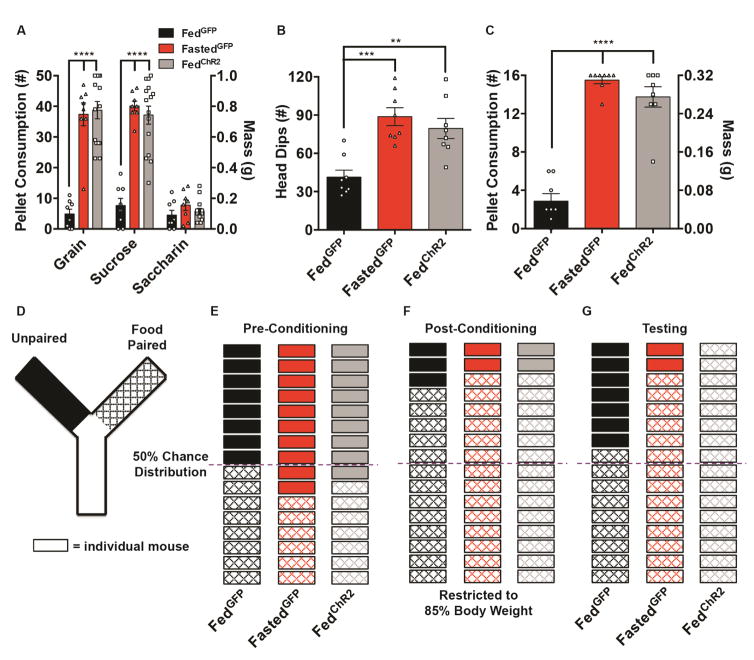
Figure 1. ARCAgRP neural activation directs biased caloric consumption (See also Figure S1)
Physiological or ARCAgRP-mediated hunger significantly enhanced (A) homecage consumption of grain and sucrose, but not saccharin pellets, (B) total number of exploratory head dips and (C) foraging-based consumption of grain pellets in a hole-board apparatus, compared to sated controls. (D) Schematic of Y-maze used to condition mice to associate paired arm with a food reward. (E) All groups of mice revealed unbiased distribution comparable to chance pre-conditioning. (F) All groups of mice revealed biased distribution toward the paired arm statistically different to chance post-conditioning. (G) Physiological or ARCAgRP-mediated hunger revealed biased distribution toward the conditioned (paired) arm statistically different to chance while sated mice revealed unbiased distribution comparable to chance during testing. Error bars represent mean +/− SEM. p < 0.05. ••p < 0.01,•••p < 0.001,••••p < 0.0001.
Figure 2
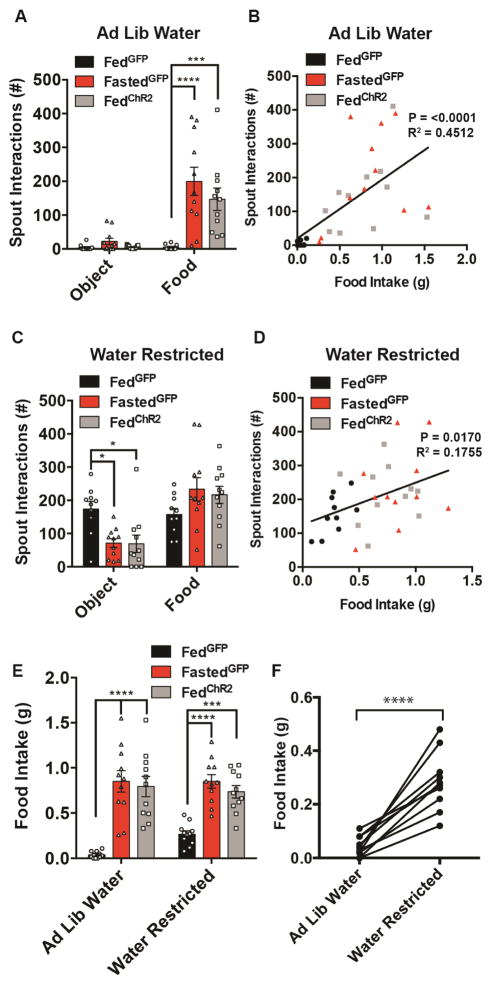
Figure 2. ARCAgRP neural activation influences water intake (See also Figure S2)
(A) Physiological or ARCAgRP-mediated hunger failed to elicit water intake in the object condition but significantly elicited water intake in the food condition compared to sated controls when animals had ad lib access to water pre-experiment, (B) an effect correlated to total food intake. (C) Physiological or ARCAgRP-mediated hunger significantly decreased water intake in the object condition compared to sated controls when animals were water restricted pre-experiment. All groups of water-restricted animals exhibited comparable water intake in the food condition, (D) an effect correlated to total food intake. (E–F) Physiological or ARCAgRP-mediated hunger enhanced food intake in both ad lib and water restricted conditions compared to sated controls. Error bars represent mean +/− SEM. p < 0.05. ••p < 0.01,•••p < 0.001,••••p < 0.0001.
Figure 3
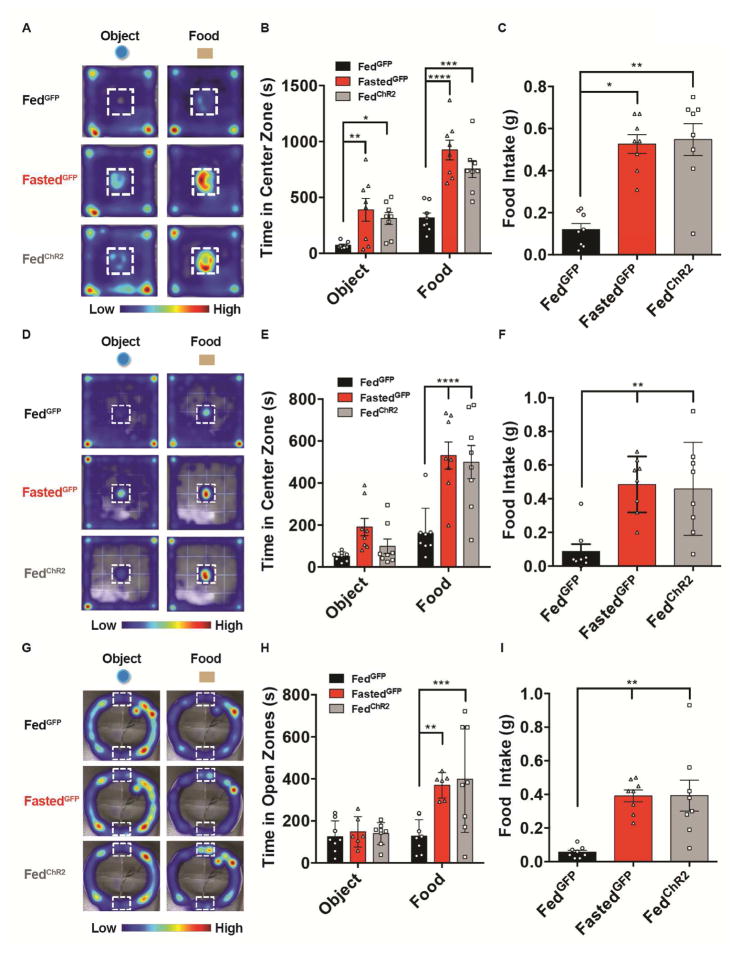
Figure 3. ARCAgRP neural stimulation suppresses anxiety-like behavior toward food (See also Figures S3–4)
(A–B) Physiological or ARCAgRP-mediated hunger significantly enhanced open field center zone duration time in both object and food conditions compared to sated controls. (C) Increased center zone duration time during the food condition was related to levels of food intake. (D–E) Physiological or ARCAgRP-mediated hunger significantly enhanced big open field center zone duration time in the food condition, but failed to do so in the object condition, compared to sated controls. (F) Increased center zone duration time during the food condition was related to levels of food intake. (G–H) Physiological or ARCAgRP-mediated hunger significantly enhanced zero maze open arm center zone duration time in the food condition, but failed to do so in the object condition, compared to sated controls. (I) Increased open arm center zone duration time during the food condition was related to levels of food intake. Error bars represent mean +/− SEM. p < 0.05. ••p < 0.01,•••p < 0.001,••••p < 0.0001.
Figure 4
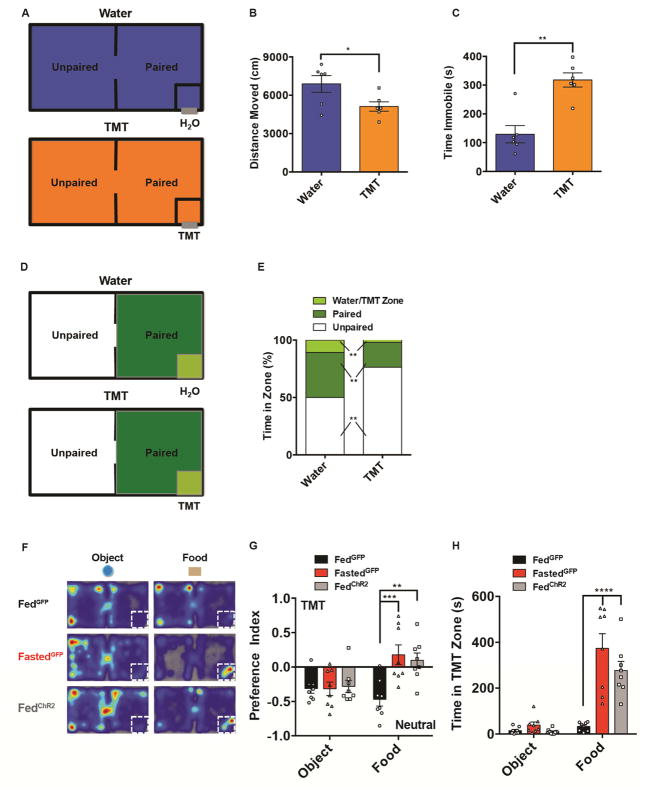
Figure 4. ARCAgRP neural activation suppresses TMT-induced fear responses toward food (See also Figure S5)
(A, D) Schematic of two-chamber apparatus (water or TMT). Within-subject analyses revealed that TMT odor significantly (B) decreased total distance traveled, (C) increased total amount of time spent immobile and (E) reduced time spent in both the paired chamber and designated water/TMT zone, compared to a neutral water stimulus. (F–H) Physiological or ARCAgRP-mediated hunger significantly shifted chamber preference from the neutral side toward the TMT side and enhanced TMT zone duration in the food condition, but failed to do so in the object condition, compared to sated controls. Error bars represent mean +/− SEM. p < 0.05. ••p < 0.01,•••p < 0.001,••••p < 0.0001.
Figure 5
Figure 5. ARCAgRP neural activation competes with innate social drive in the presence of food (See also Figure S6)
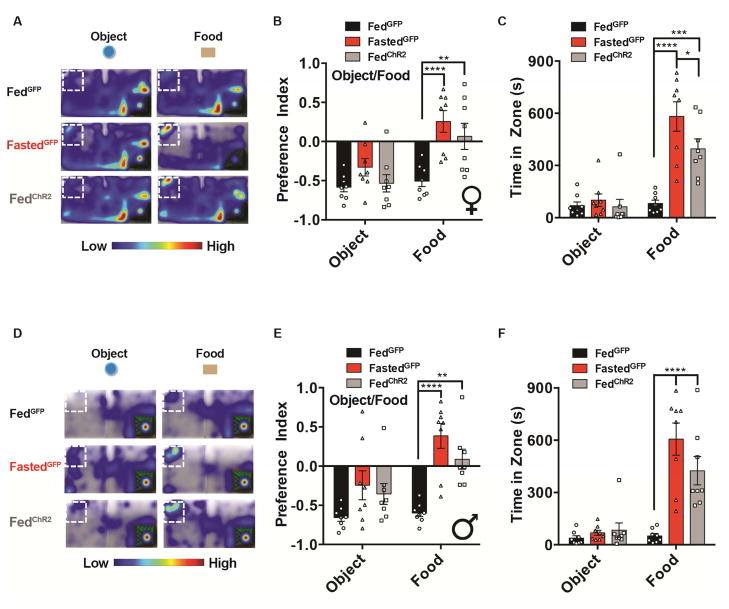
(A–C). Physiological or ARCAgRP-mediated hunger significantly shifted chamber preference from the receptive female side toward the food side and enhanced food zone duration time in the food condition, but failed to do so in the object condition, compared to sated controls. (D–F). Physiological or ARCAgRP-mediated hunger significantly shifted chamber preference from the juvenile male side toward the food side and enhanced food zone duration time in the food condition, but failed to do so in the object condition, compared to sated controls. Error bars represent mean +/− SEM. p < 0.05. ••p < 0.01,•••p < 0.001,••••p < 0.0001.
Figure 6
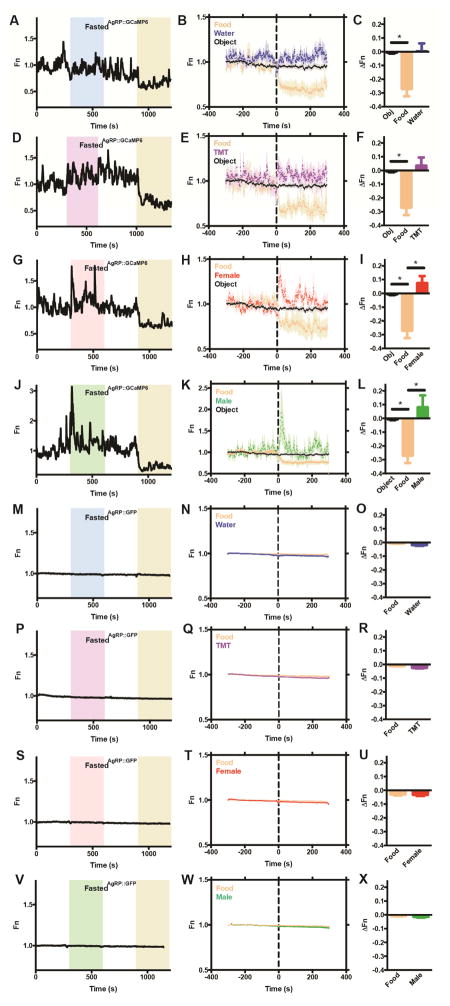
Figure 6. ARCAgRP neural activity responds to food and conspecifics in hungry mice (See also Figure S7)
Normalized representative in vivo calcium imaging traces showing GCaMP (A, D, G, J) or GFP (M, P, S, V) fluorescent signal fluctuations through the presentation of baseline→stimuli→removal of stimuli→food. Plots showing calcium signal (B, E, H, K) of GFP (N, Q, T, W) changes between object, stimuli (water, TMT, female, or juvenile male), and food. (C, F, I, L) Calcium levels were significantly decreased upon the presentation of food, and increased upon the presentation of conspecifics, but not water or TMT. No changes were detected in GFP controls (O, R, U, X). Unpaired t-test with equal SD revealed significant differences between GCaMP and GFP signals in response to food (p=0.0034), female (p=0.0423) and male (p=0.0486). Error bars represent mean +/− SEM. *p < 0.05.
Figure 7
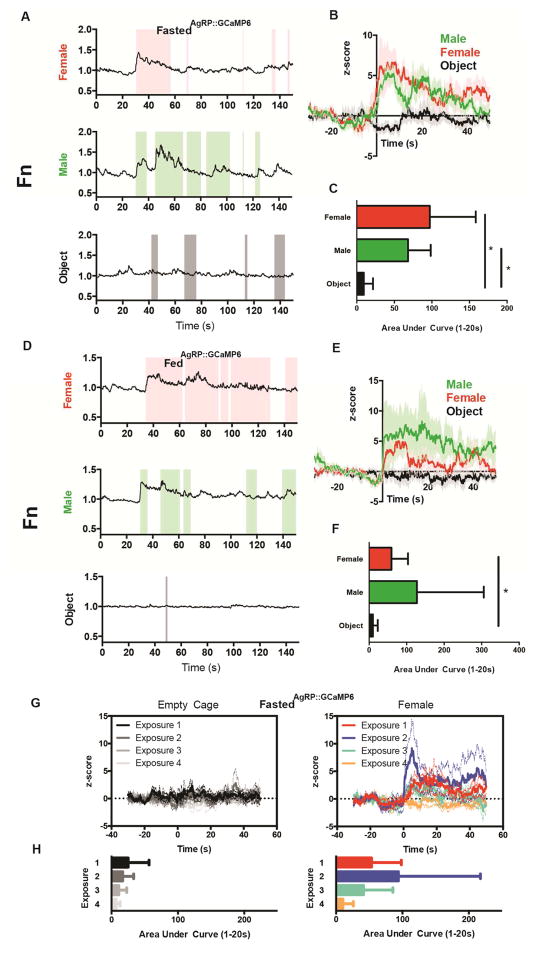
Figure 7. ARCAgRP neural activity increases in response to initial social contact
(A, D) Normalized sample traces of calcium signals during bouts of interaction with different stimuli in hungry and sated mice, respectively. (B, E) Population z-score plots showing the averaged response to the first interaction bout in hungry and sated mice, respectively. (C, F) ARCAgRP neurons showed a significantly greater increase in activity upon first contact with conspecifics, compared with response to a non-salient object in hungry and sated mice, respectively (G) Representative traces of 4 repeated exposure to an empty grid isolation cage or receptive female, respectively. (H) Comparison of area under the curve of z-score between each exposure. Error bars represent mean +/− SEM. *p < 0.05.

References

    1. Aponte Y, Atasoy D, Sternson SM. AGRP neurons are sufficient to orchestrate feeding behavior rapidly and without training. Nature neuroscience. 2011;14:351–355. - PMC - PubMed
    1. Atasoy D, Betley JN, Su HH, Sternson SM. Deconstruction of a neural circuit for hunger. Nature. 2012;488:172–177. - PMC - PubMed
    1. Berridge KC, Robinson TE. What is the role of dopamine in reward: hedonic impact, reward learning, or incentive salience? Brain Res Brain Res Rev. 1998;28:309–369. - PubMed
    1. Betley JN, Cao ZF, Ritola KD, Sternson SM. Parallel, redundant circuit organization for homeostatic control of feeding behavior. Cell. 2013;155:1337–1350. - PMC - PubMed
    1. Betley JN, Xu S, Cao ZF, Gong R, Magnus CJ, Yu Y, Sternson SM. Neurons for hunger and thirst transmit a negative-valence teaching signal. Nature. 2015;521:180–185. - PMC - PubMed

MeSH terms

Substances

LinkOut - more resources