


STUDY OF THE STATUS OF TUBERCULOSIS CONTROL PROGRAM BASED ON THE IMPLEMENTATION OF THE DIRECTLY OBSERVED TREATMENT SHORT-COURSE STRATEGY (DOTS)
- PMID: 27698595
- PMCID: PMC5034975
- DOI: 10.5455/msm.2016.28.249-252
STUDY OF THE STATUS OF TUBERCULOSIS CONTROL PROGRAM BASED ON THE IMPLEMENTATION OF THE DIRECTLY OBSERVED TREATMENT SHORT-COURSE STRATEGY (DOTS)
Abstract
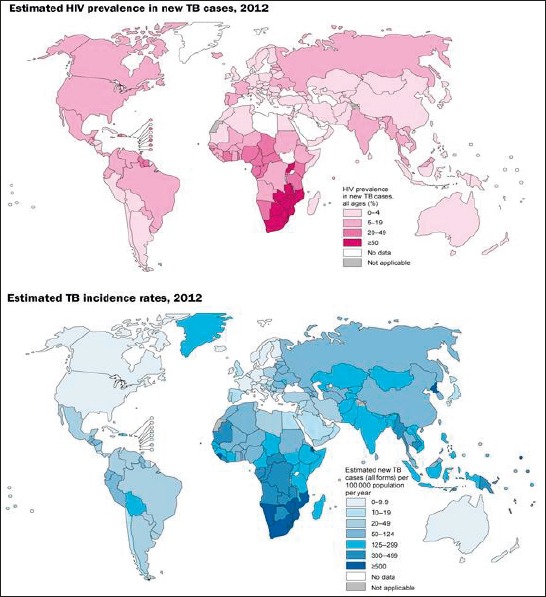
Introduction: Ascendant trend of tuberculosis in the world introduces this disease to be one of the most important infectious diseases in the world. So that every year, 9 million people are afflicted to active TB and about 5.1 million people die of the disease. As the HIV contaminated cases are increased, emergence and spread field of Multidrug-resistant tuberculosis (MDR-TB) bacilli has been provided.
Objective: This study aimed to assess the Tuberculosis Control Program from 2005 to 2012 to determine the overall situation of disease epidemiology and prioritized strategies in disease control program within the south of Tehran.
Materials and methods: This cross-sectional study was extracted and analyzed retrospectively on the basis of records of all TB patients in TB health center and TB software in south Tehran in 2005-2012 years.
Results: From the total population under protection of health center of south Tehran, 99% are urban and 1% are rural. During 2005-2012, 1242 TB cases have been registered and they were treated by DOTS method. There were 553 cases of new smear-positive pulmonary TB (44%), 222 cases of smear-negative pulmonary TB (18%) and 336 cases of extra-pulmonary tuberculosis (27%), 26 cases of recurrence (2%) and 11 cases of MDR (0.9%). Smear-positive pulmonary tuberculosis has included 67.4% of all tuberculosis patients.
Conclusions: The results showed that, in accordance with TB worldwide statistics, at the health center of south Tehran, pulmonary TB is the most common form of the disease (67.4%). The incidence of smear-positive tuberculosis and all forms of TB cases has been an ascending trend over the period between 2005 and 2012.
Keywords: DOTS; HIV; TB; smear-positive pulmonary tuberculosis.
Conflict of interest statement
• Declaration of Conflicting Interests: The author(s) declared no potential conflicts of interest with respect to the research, Authorship, and/or publication of this article.
Figures
References
-
- Pinet G. Good practice in legislation and regulations for TB control: an indicator of political will. Geneva: World Health Organization; 2001. WHO/CDS/TB/2001.290) -[pdf 163kb]
-
- Human resources development for TB control: report of a consultation held on 27 and 28 August 2003. Geneva: World Health Organization/Rockefeller Foundation; 2004. (WHO/HTM/TB/2004.340) - [pdf 1.4Mb]
-
- Task Analysis - The basis for development of training in management of tuberculosis. Geneva: World Health Organization; (WHO/HTM/TB/2005.354) - [pdf 220kb]
-
- Indian J. Community Med. 2011 Apr-Jun;36(2):85–92. doi: 10.4103/0970- 0218.84118.
-
- Emerging Infectious Diseases. 2013 Oct;19(10) www.cdc.gov/eid . http://www.cdc.hbi.ir .
LinkOut - more resources
Full Text Sources
Other Literature Sources
Research Materials