. 2016 May 5;1(6):e86336.
doi: 10.1172/jci.insight.86336.

Anakinra as a diagnostic challenge and treatment option for systemic autoinflammatory disorders of undefined etiology

Affiliations

Anakinra as a diagnostic challenge and treatment option for systemic autoinflammatory disorders of undefined etiology

Stephanie R Harrison et al. JCI Insight. .

Abstract

Background: Some adult patients presenting with unexplained pyrexia, serositis, skin rashes, arthralgia, myalgia, and other symptoms commonly found in autoinflammatory disorders may not fit a specific diagnosis, either because their clinical phenotype is nondiagnostic or genetic tests are negative. We used the term undifferentiated systemic autoinflammatory disorder (uSAID) to describe such cases. Given that well-defined autoinflammatory diseases show responses to IL-1 blockade, we evaluated whether anakinra was useful for both diagnosing and treating uSAID patients.

Methods: We performed a retrospective analysis of consecutive patients presenting with uSAID between 2012-2015 who were treated with the recombinant IL-1 receptor antagonist anakinra. uSAID was diagnosed after excluding malignancy, infection, and pathogenic mutations in known hereditary fever syndromes (HFS) genes and where clinical criteria for adult onset Still's disease (AOSD) were not met.

Results: A total of 11 patients presented with uSAID (5 males and 6 females), with a mean time to diagnosis of 3.5 years (1-8 years). Patients were unresponsive or only partially controlled on disease-modifying antirheumatic drug (DMARD)/steroid treatment. Anakinra controlled symptoms within 4-6 weeks of starting treatment in 9 of 11 cases. Two patients discontinued therapy - one due to incomplete response and another due to severe injection-site reactions.

Conclusion: This retrospective case series demonstrates that the spectrum of poorly defined autoinflammatory disorders that show responsiveness to anakinra is considerable. Anakinra seems a viable treatment option for these patients, who are unresponsive to standard steroid/DMARD treatments. Moreover, given the mechanisms of action, response to anakinra implicates underlying IL-1 dysregulation in the disease pathogenesis of responding uSAIDs patients.


Figures
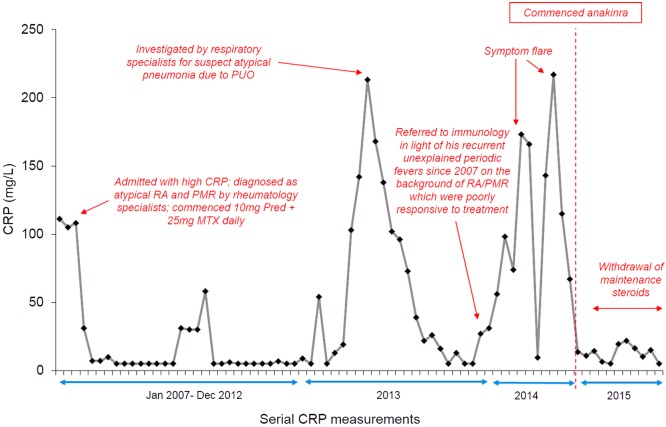
Figure 1
Figure 1. uSAID-01: serial CRP measurements.
This figure shows the serial CRP measurements recorded for uSAID-01 from initial presentation to Dec. 2015. CRP, C-reactive protein; PMR, polymyalgia rheumatica; Pred, prednisolone; PUO, pyrexia of unknown origin; RA, rheumatoid arthritis; MTX, methotrexate.
Figure 2
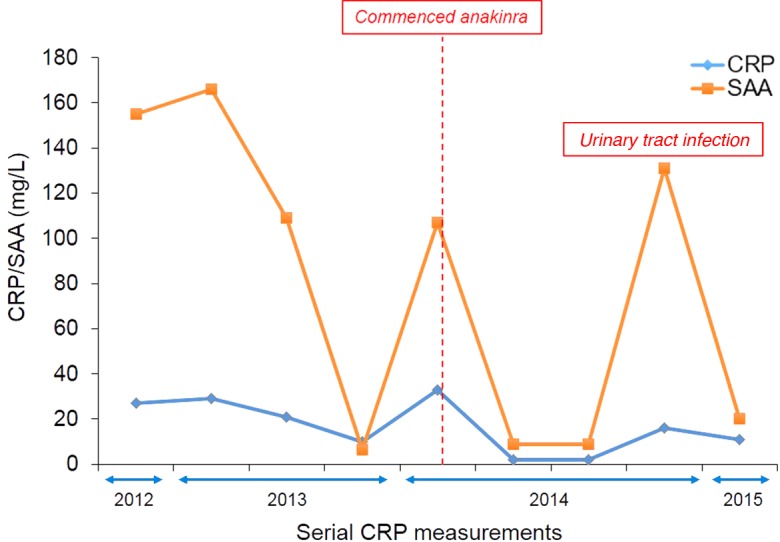
Figure 2. uSAID-02: serial CRP and SAA measurements.
This figure shows the serial CRP/SAA measurements recorded for uSAID-02 from initial presentation to Dec. 2015. CRP, C-reactive protein; SAA, serum amyloid A.
Figure 3
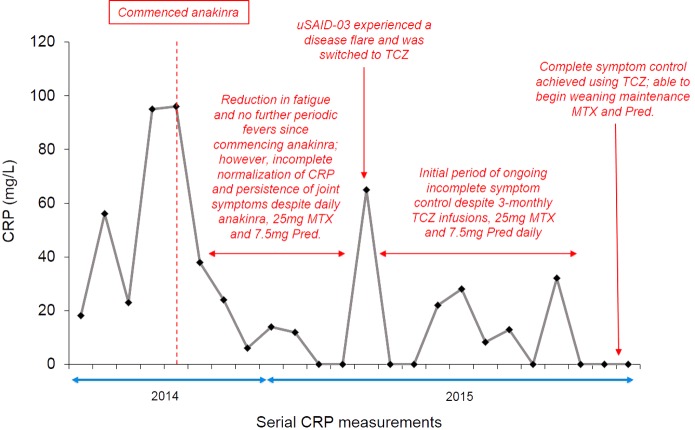
Figure 3. uSAID-03: serial CRP measurements.
This figure shows the serial CRP measurements recorded for uSAID-03 from initial presentation to Dec. 2015. CRP, C-reactive protein; MTX, methotrexate; Pred, prednisolone; TCZ, tocilizumab.
Figure 4
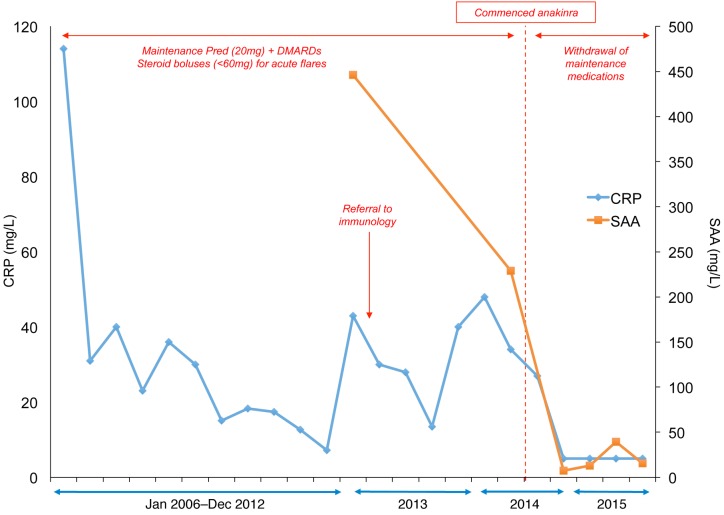
Figure 4. uSAID-04: serial CRP and SAA measurements.
This figure shows the serial CRP/SAA measurements recorded for uSAID-04 from initial presentation to Dec. 2015. CRP, C-reactive protein; DMARDs, disease-modifying antirheumatic drugs; Pred, prednisolone; SAA, serum amyloid A.
Figure 5
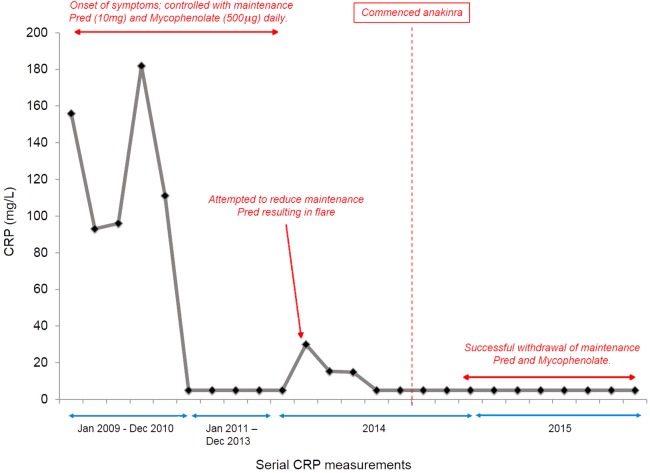
Figure 5. uSAID-05: serial CRP measurements.
This figure shows the serial CRP measurements recorded for uSAID-05 from initial presentation to Dec. 2015. CRP, C-reactive protein; Pred, prednisolone.
Figure 6
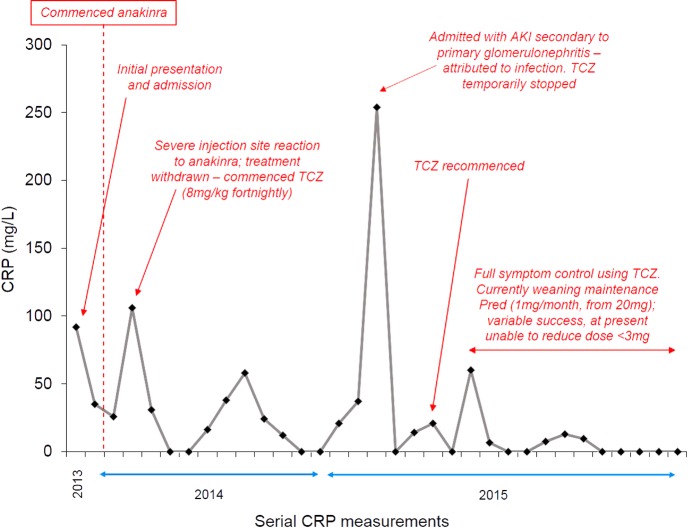
Figure 6. uSAID-06: serial CRP measurements.
This figure shows the serial CRP measurements recorded for uSAID-06 from initial presentation to Dec. 2015. CRP, C-reactive protein; Pred, prednisolone; TCZ, tocilizumab; AKI, acute kidney injury.
Figure 7
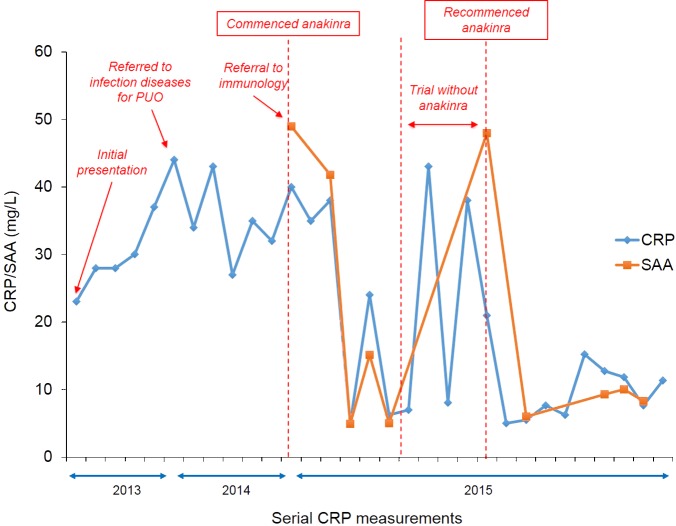
Figure 7. uSAID-07: serial CRP and SAA measurements.
This figure shows the serial CRP and SAA measurements recorded for uSAID-07 from initial presentation to Dec. 2015. CRP, C-reactive protein; PUO, pyrexia of unknown origin; SAA, serum amyloid A.
Figure 8
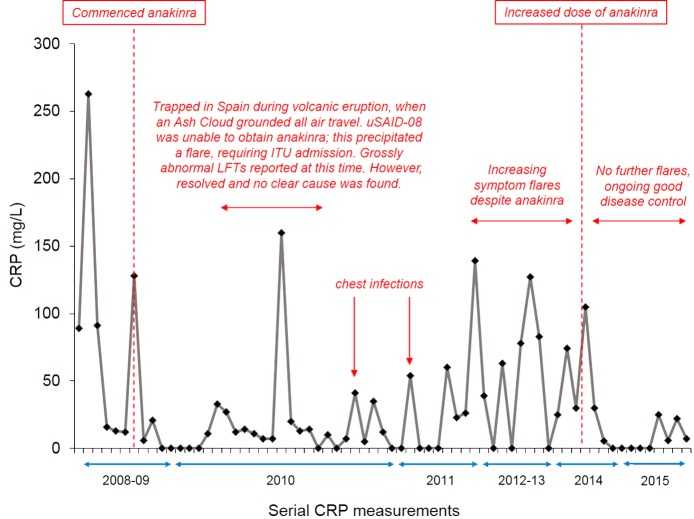
Figure 8. uSAID-08: serial CRP measurements.
This figure shows the serial CRP measurements recorded for uSAID-08 from initial presentation to Dec. 2015. CRP, C-reactive protein; Pred, prednisolone; TCZ, tocilizumab.
Figure 9
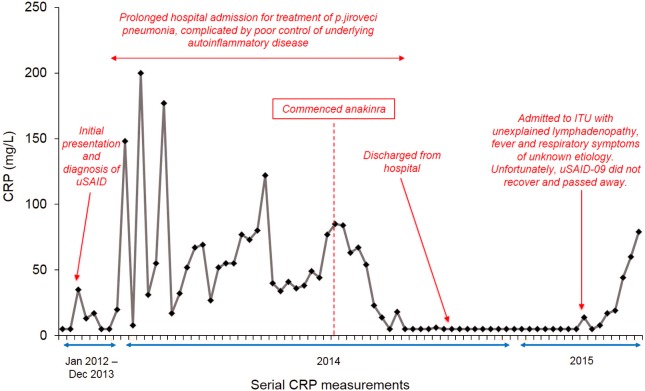
Figure 9. uSAID-09: serial CRP measurements.
This figure shows the serial CRP measurements recorded for uSAID-09 from initial presentation in 2012 until mortality in April 2015. CRP, C-reactive protein; ITU, intensive treatment unit; p.jiroveci pneumonia, pneumocystis jiroveci pneumonia (an aggressive atypical form of pneumonia).
Figure 10
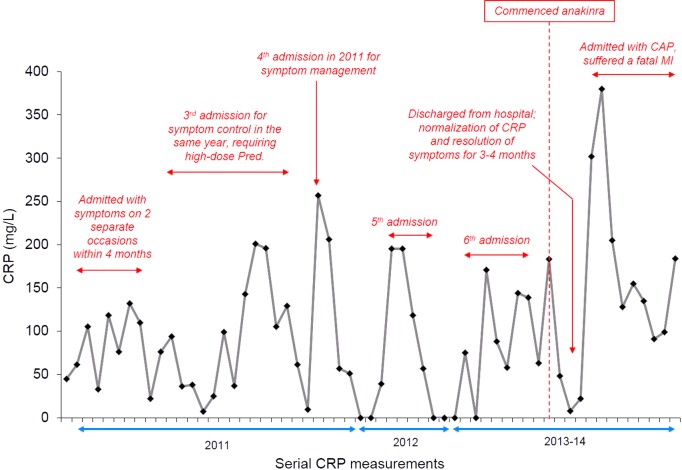
Figure 10. uSAID-10: serial CRP measurements.
This figure shows the serial CRP measurements recorded for uSAID-10 from initial presentation until mortality in April 2014. CAP, community acquired pneumonia; CRP, C-reactive protein; MI, myocardial infarction; Pred, prednisolone.

References

    1. Savic S, Dickie LJ, Wittmann M, McDermott MF. Autoinflammatory syndromes and cellular responses to stress: pathophysiology, diagnosis and new treatment perspectives. Best Pract Res Clin Rheumatol. 2012;26(4):505–533. doi: 10.1016/j.berh.2012.07.009. - DOI - PubMed
    1. Lachmann HJ. Clinical immunology review series: An approach to the patient with a periodic fever syndrome. Clin Exp Immunol. 2011;165(3):301–309. doi: 10.1111/j.1365-2249.2011.04438.x. - DOI - PMC - PubMed
    1. Martinon F, Aksentijevich I. New players driving inflammation in monogenic autoinflammatory diseases. Nat Rev Rheumatol. 2015;11(1):11–20. - PubMed
    1. Aksentijevich I. Update on genetics and pathogenesis of autoinflammatory diseases: the last 2 years. Semin Immunopathol. 2015;37(4):395–401. doi: 10.1007/s00281-015-0478-4. - DOI - PubMed
    1. Rigante D, Vitale A, Lucherini OM, Cantarini L. The hereditary autoinflammatory disorders uncovered. Autoimmun Rev. 2014;13(9):892–900. doi: 10.1016/j.autrev.2014.08.001. - DOI - PubMed

Publication types

Substances