Review
. 2016 Dec:43:46-53.
doi: 10.1016/j.coi.2016.09.002. Epub 2016 Oct 4.

Environmental control of autoimmune inflammation in the central nervous system

Affiliations
Review

Environmental control of autoimmune inflammation in the central nervous system

Veit Rothhammer et al. Curr Opin Immunol. 2016 Dec.

Abstract

Multiple sclerosis (MS) is a chronic autoimmune inflammatory demyelinating disorder of the central nervous system (CNS), which causes severe disability and requires extensive medical attention and treatment. While the infiltration of pathogenic immune cells into the CNS leads to the formation of inflammatory lesions in its initial relapsing-remitting stage, late stages of MS are characterized by progressive neuronal loss and demyelination even without continued interaction with the peripheral immune compartment. Several genetic and environmental factors modulate and influence these processes on multiple levels. Genetic variants confer a predisposition for the development of MS, but are not accessible to therapeutic intervention as of today. However, migration studies suggest that environmental factors influence disease development, activity and progression. This article reviews mechanisms of disease pathogenesis in MS and their modulation by environmental factors such as geographical localization, the gut microbiome and the diet.


Figures

Figure 1
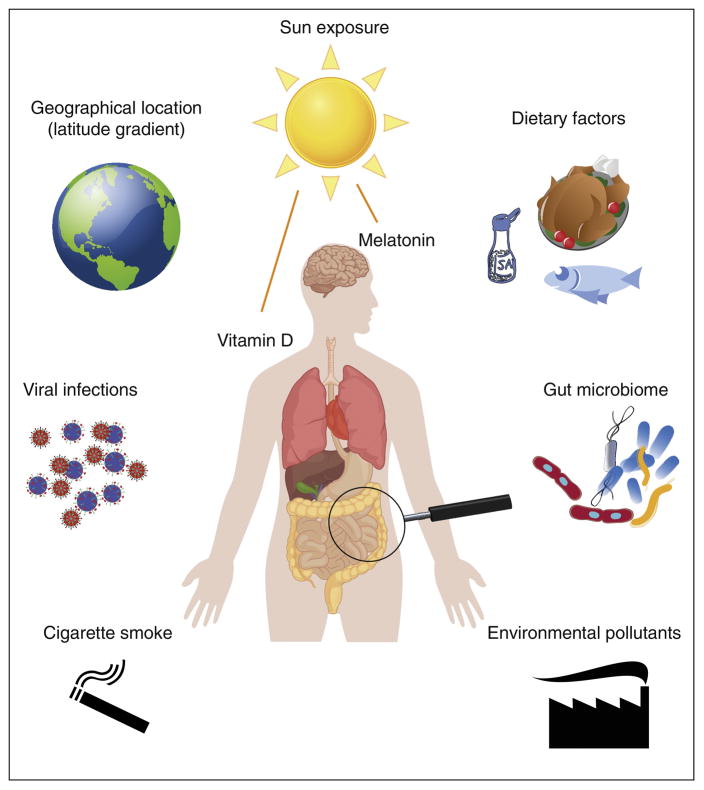
Figure 1. Enironmental factors relevant for Multiple Sclerosis
Several environmental factors have been demonstrated to influence incidence and course of MS.
Figure 2
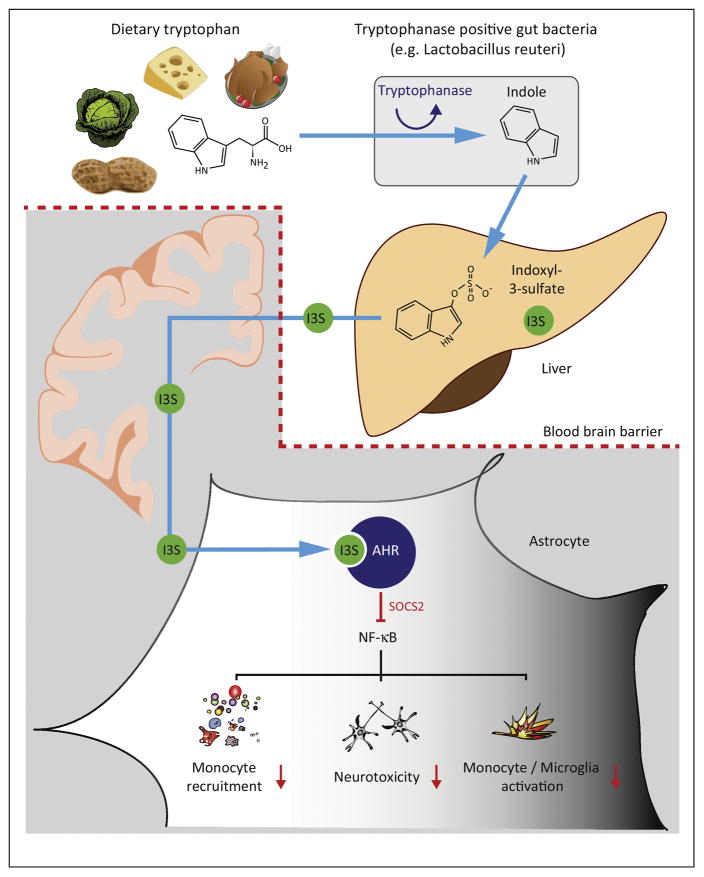
Figure 2. Metabolites of dietary tryptophan control autoimmune inflammation in the CNS
The essential amino acid tryptophan is broken down to Indole by tryptophanase-positive, ampicillin-sensitive, vancomycin-resistant bacteria in the gut. One of the bacterial strains exhibiting these features is Lactobacillus reuteri. Thereafter, Indole is metabolized to Indoxyl-3-sulfate (I3S) and other metabolites in the liver and released into the circulation. These indole derivatives are capable of crossing even the intact blood brain barrier and enter into the CNS, where they bind and activate the cytosolic Aryl hydrocarbon receptor (AHR). AHR interacts with SOCS2 to inhibit NF-κB activation and nuclear translocation. Ultimately, NF-κB dependent pro-inflammatory pathways, including monocyte recruitment, neurotoxicity, and activation of monocytes and microglia are inhibitied. Together, this pathways confers down-modulatory actions on acute and chronic inflammation in the CNS and integrates dietary and microbial signals into CNS inflammation.

References

    1. Dilokthornsakul P, et al. Multiple sclerosis prevalence in the United States commercially insured population. Neurology. 2016;86:1014–1021. - PMC - PubMed
    1. Kingwell E, et al. Incidence and prevalence of multiple sclerosis in Europe: a systematic review. BMC Neurol. 2013;13:128. - PMC - PubMed
    1. Lublin FD, et al. Defining the clinical course of multiple sclerosis: the 2013 revisions. Neurology. 2014;83:278–286. - PMC - PubMed
    1. Wingerchuk DM, Carter JL. Multiple sclerosis: current and emerging disease-modifying therapies and treatment strategies. Mayo Clin Proc. 2014;89:225–240. - PubMed
    1. Willer CJ, et al. Twin concordance and sibling recurrence rates in multiple sclerosis. Proc Natl Acad Sci U S A. 2003;100:12877–12882. - PMC - PubMed

Publication types