


Tumor necrosis factor-α inhibitor-induced psoriasis: Systematic review of clinical features, histopathological findings, and management experience
- PMID: 27720274
- PMCID: PMC11042689
- DOI: 10.1016/j.jaad.2016.08.012
Tumor necrosis factor-α inhibitor-induced psoriasis: Systematic review of clinical features, histopathological findings, and management experience
Abstract
Background: Tumor necrosis factor-α (TNF-α) inhibitors have been reported to induce new-onset psoriasis.
Objective: To better define the demographic, clinical features, and treatment approach of TNF-α inhibitor-induced psoriasis.
Methods: Systematic review of published cases of TNF-α inhibitor-induced psoriasis.
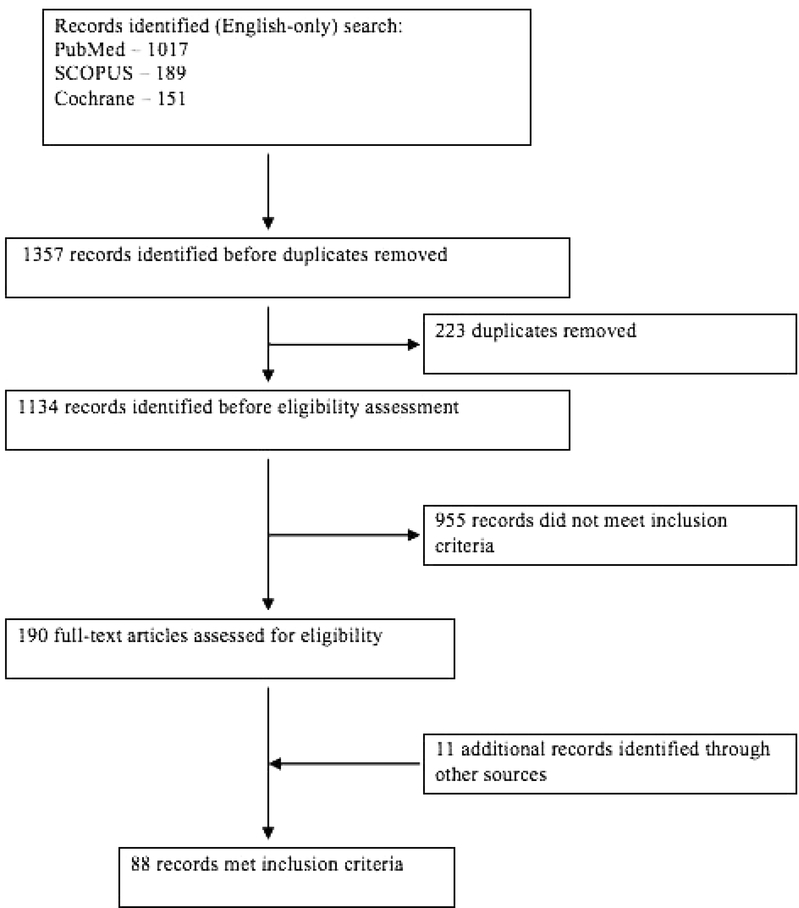
Results: We identified 88 articles with 216 cases of new-onset TNF-α inhibitor-induced psoriasis. The mean age at psoriasis onset was 38.5 years. The most common underlying diseases were Crohn disease (40.7%) and rheumatoid arthritis (37.0%). Patients underwent TNF-α therapy for an average of 14.0 months before psoriasis onset with 69.9% of patients experiencing onset within the first year. The majority of patients received skin-directed therapy, though patients who discontinued TNF therapy had the greatest resolution of symptoms (47.7%) compared with those who switched to a different TNF agent (36.7%) or continued therapy (32.9%).
Limitations: Retrospective review that relies on case reports and series.
Conclusion: While TNF-α inhibitor cessation may result in resolution of induced psoriasis, lesions may persist. Decisions regarding treatment should be weighed against the treatability of TNF-α inhibitor-induced psoriasis, the severity of the background rheumatologic or gastrointestinal disease, and possible loss of efficacy with cessation followed by retreatment. Skin-directed therapy is a reasonable initial strategy except in severe cases.
Keywords: adalimumab; adverse event; certolizumab; etanercept; golimumab; infliximab; medication side effect; psoriasis; tumor necrosis factor-α inhibitor; tumor necrosis factor-α-induced psoriasis.
Copyright © 2016 American Academy of Dermatology, Inc. Published by Elsevier Inc. All rights reserved.
Conflict of interest statement
Conflict of Interest Disclosure:
The authors do not report any conflicts of interest.
Figures
References
-
- Kip KE, Swoger JM, Grandinetti LM, Barrie AM 3rd, Greer JB, Regueiro MD. Tumor necrosis factor alpha antagonist-associated psoriasis in inflammatory diseases: an analysis of the FDA adverse event reporting system. Inflammatory bowel diseases. May 2013;19(6):1164–1172. - PubMed
-
- Collamer AN, Guerrero KT, Henning JS, Battafarano DF. Psoriatic skin lesions induced by tumor necrosis factor antagonist therapy: a literature review and potential mechanisms of action. Arthritis Rheum. Jul 15 2008;59(7):996–1001. - PubMed
-
- Laga AC, Vleugels RA, Qureshi AA, Velazquez EF. Histopathologic spectrum of psoriasiform skin reactions associated with tumor necrosis factor-alpha inhibitor therapy. A study of 16 biopsies. The American Journal of dermatopathology. Aug 2010;32(6):568–573. - PubMed
-
- Asarch A, Gottlieb AB, Lee J, et al. Lichen planus-like eruptions: an emerging side effect of tumor necrosis factor-alpha antagonists. J Am Acad Dermatol. Jul 2009;61(1):104–111. - PubMed
-
- Najarian DJ, Gottlieb AB. Connections between psoriasis and Crohn’s disease. J Am Acad Dermatol. Jun 2003;48(6):805–821; - PubMed
Publication types
MeSH terms
Substances
Grants and funding
LinkOut - more resources
Full Text Sources
Other Literature Sources
Medical
