


Membrane mechanical properties of synthetic asymmetric phospholipid vesicles
- PMID: 27722472
- PMCID: PMC5139623
- DOI: 10.1039/c6sm01349j
Membrane mechanical properties of synthetic asymmetric phospholipid vesicles
Abstract
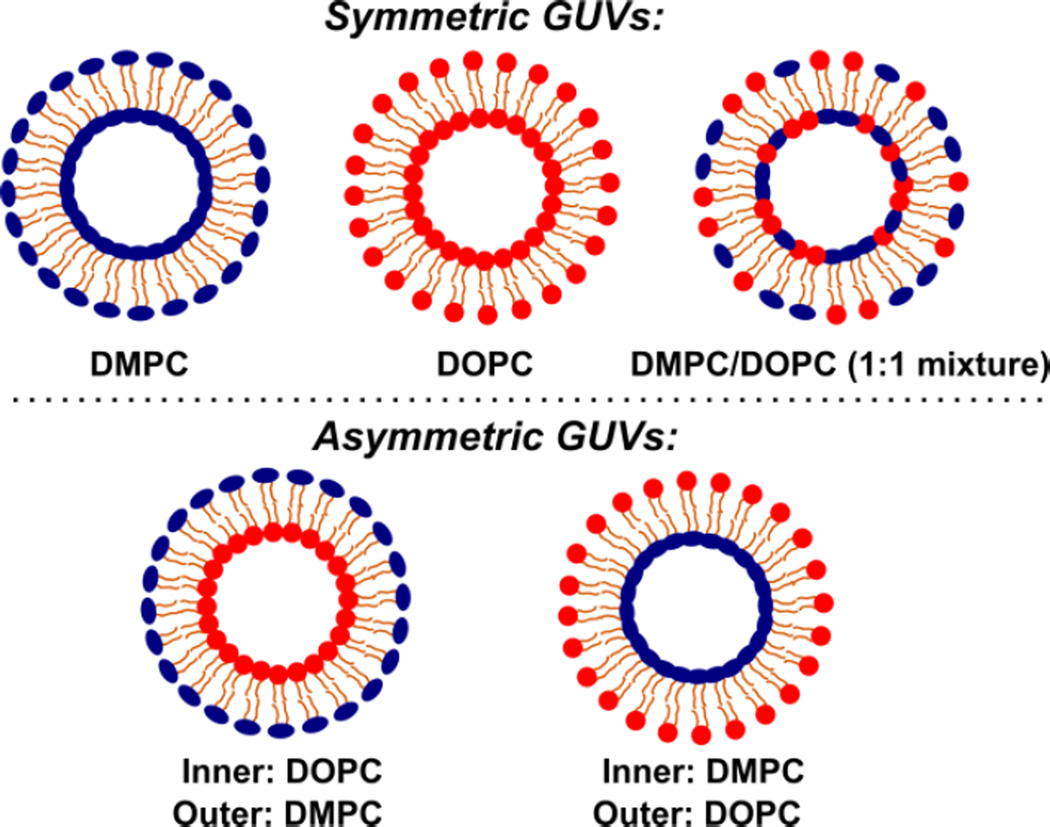
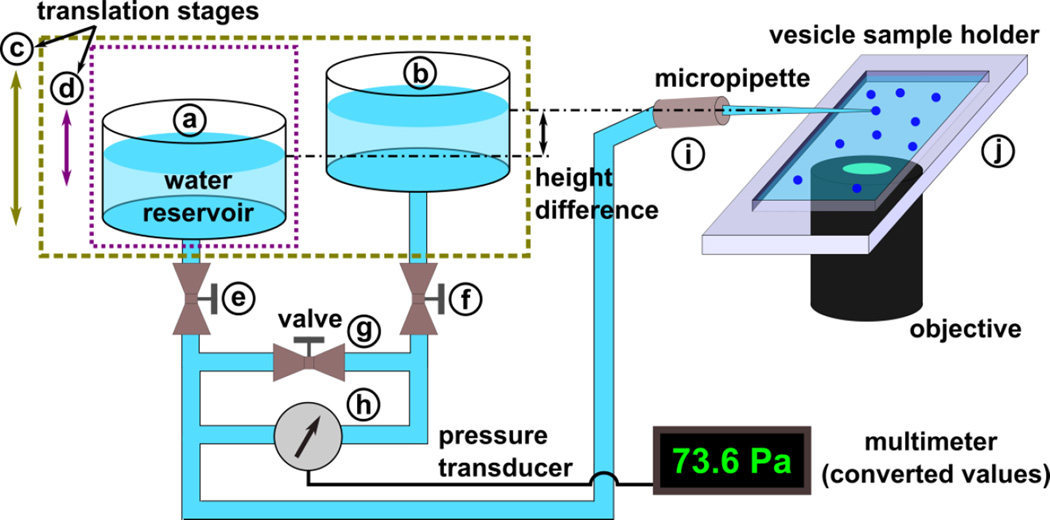
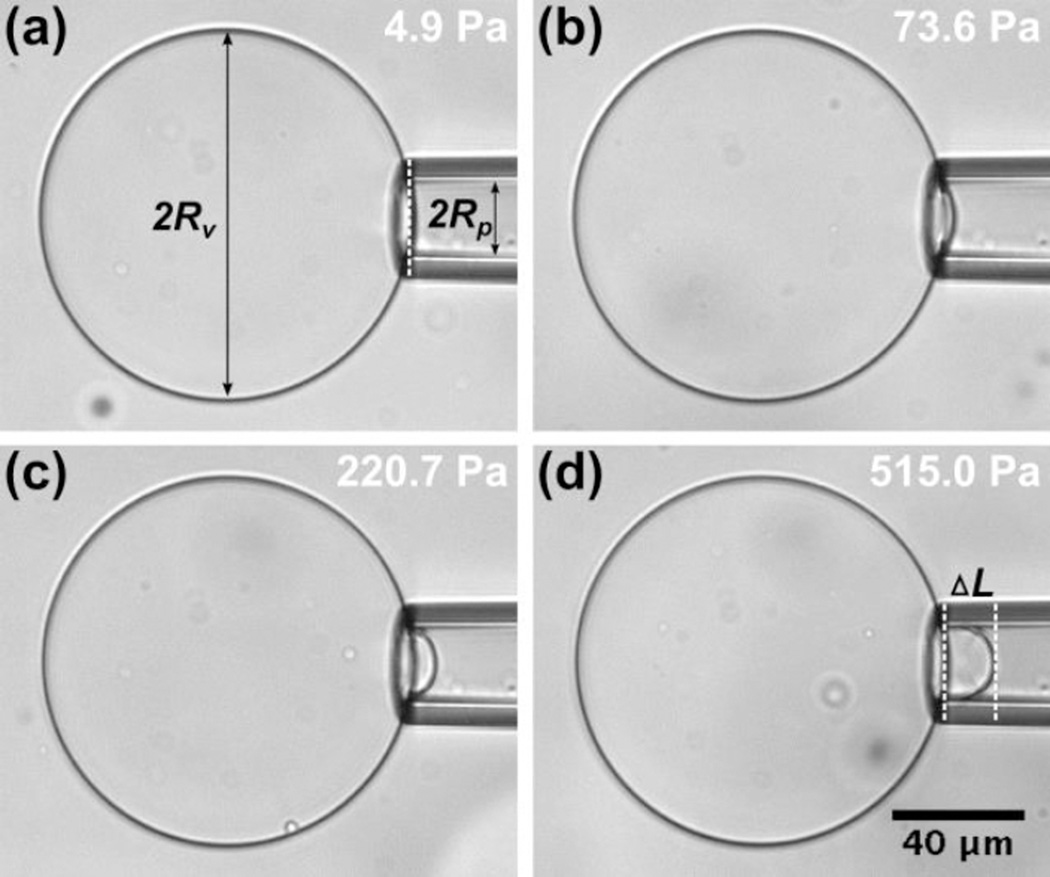
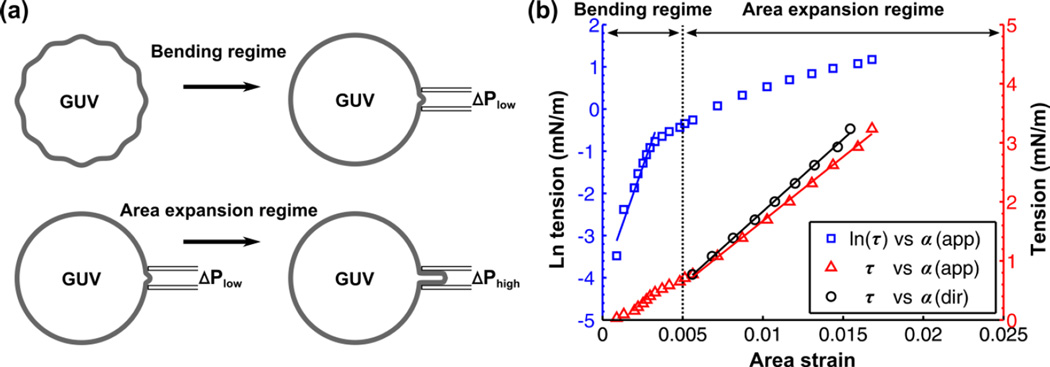
Synthetic lipid vesicles have served as important model systems to study cellular membrane biology. Research has shown that the mechanical properties of bilayer membranes significantly affects their biological behavior. The properties of a lipid bilayer are governed by lipid acyl chain length, headgroup type, and the presence of membrane proteins. However, few studies have explored how membrane architecture, in particular trans-bilayer lipid asymmetry, influences membrane mechanical properties. In this study, we investigated the effects of lipid bilayer architecture (i.e. asymmetry) on the mechanical properties of biological membranes. This was achieved using a customized micropipette aspiration system and a novel microfluidic technique previously developed by our team for building asymmetric phospholipid vesicles with tailored bilayer architecture. We found that the bending modulus and area expansion modulus of the synthetic asymmetric bilayers were up to 50% larger than the values acquired for symmetric bilayers. This was caused by the dissimilar lipid distribution in each leaflet of the bilayer for the asymmetric membrane. To the best of our knowledge, this is the first report on the impact of trans-bilayer asymmetry on the area expansion modulus of synthetic bilayer membranes. Since the mechanical properties of bilayer membranes play an important role in numerous cellular processes, these results have significant implications for membrane biology studies.
Figures
References
-
- Jesorka A, Orwar O. Annu. Rev. Anal. Chem. 2008;1:801–832. - PubMed
-
- Lasic DD. Trends Biotechnol. 1998;16:307–321. - PubMed
-
- Perozo E, Kloda A, Cortes DM, Martinac B. Nat. Struct. Mol. Biol. 2002;9:696–703. - PubMed
-
- Booth PJ, Riley ML, Flitsch SL, Templer RH, Farooq A, Curran AR, Wright P. Biochemistry. 1997;36:197–203. - PubMed
MeSH terms
Substances
Grants and funding
LinkOut - more resources
Full Text Sources
Other Literature Sources
