


Thapsigargin sensitizes human esophageal cancer to TRAIL-induced apoptosis via AMPK activation
- PMID: 27731378
- PMCID: PMC5059685
- DOI: 10.1038/srep35196
Thapsigargin sensitizes human esophageal cancer to TRAIL-induced apoptosis via AMPK activation
Abstract
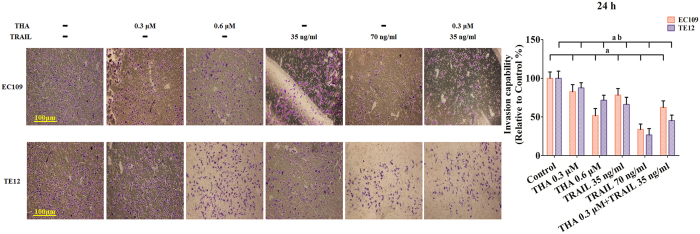
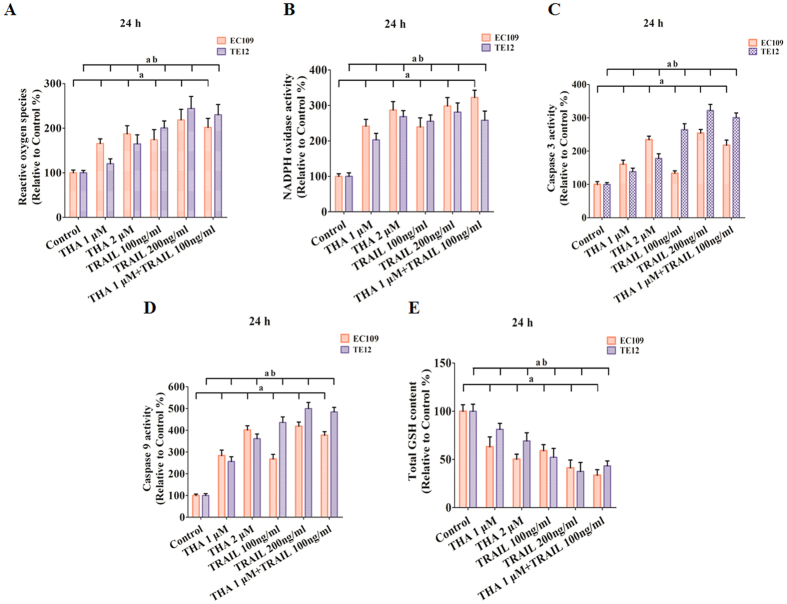
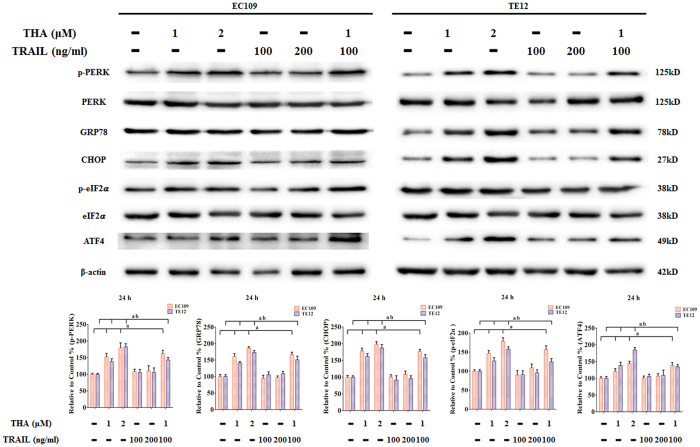
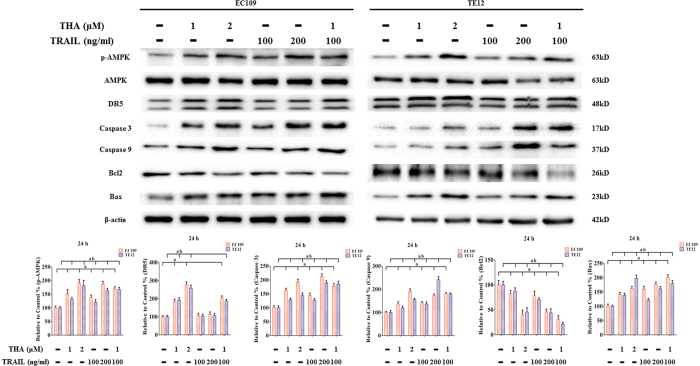
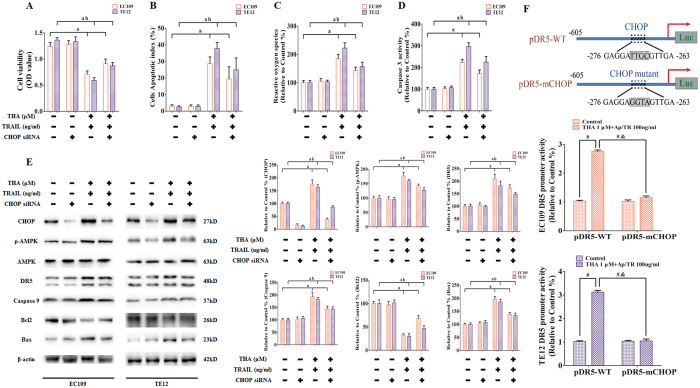
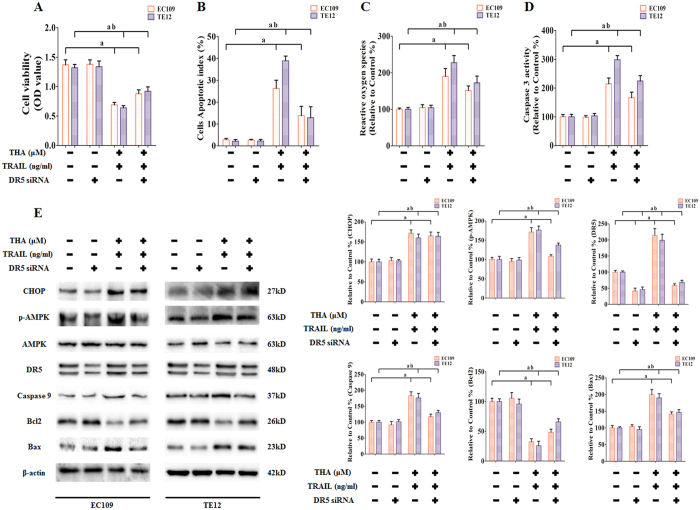
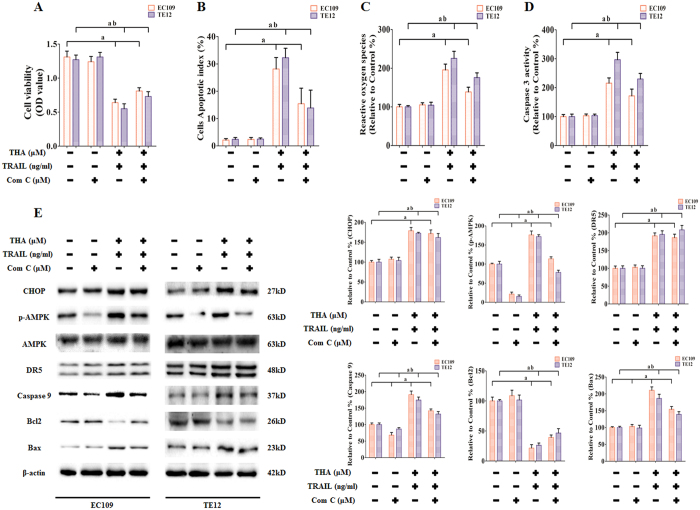
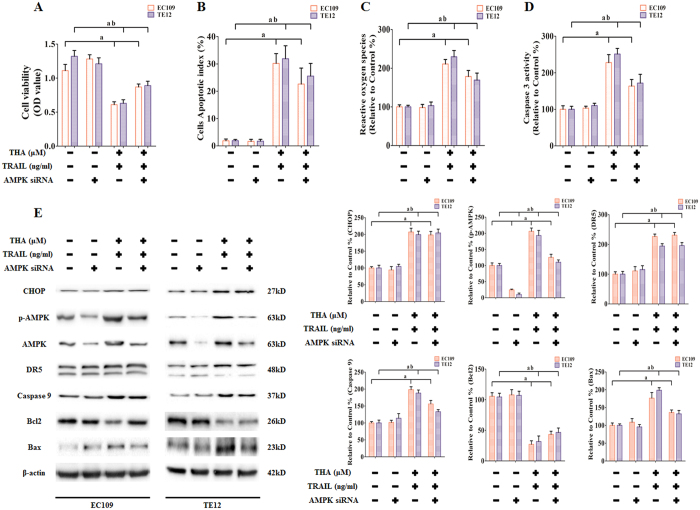
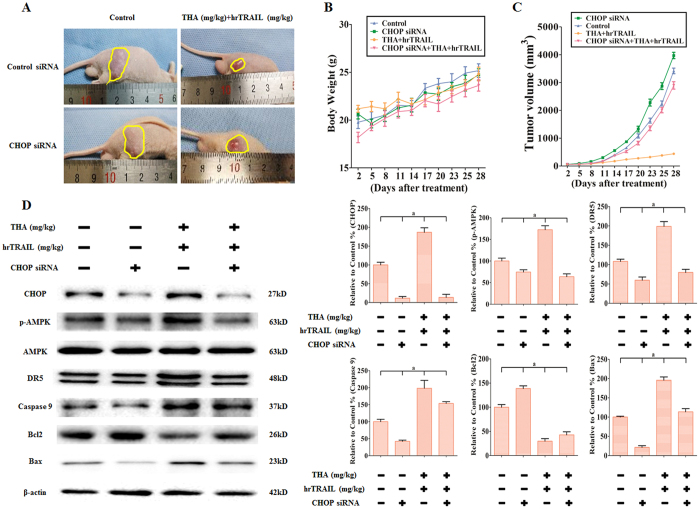
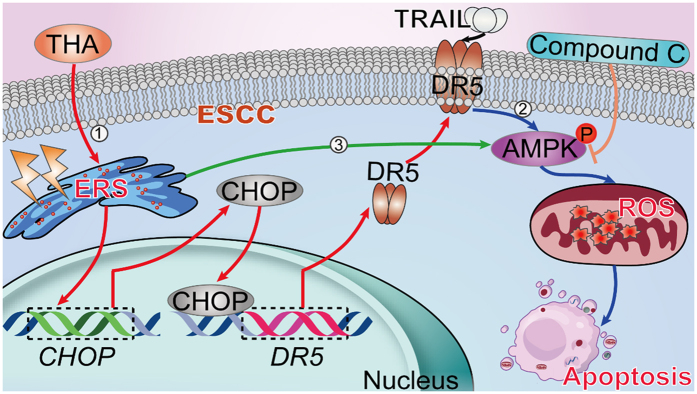
Tumor necrosis factor-related apoptosis-inducing ligand (TRAIL) is a promising anticancer agent for esophageal squamous cell carcinoma (ESCC). Forced expression of CHOP, one of the key downstream transcription factors during endoplasmic reticulum (ER) stress, upregulates the death receptor 5 (DR5) levels and promotes oxidative stress and cell death. In this study, we show that ER stress mediated by thapsigargin promoted CHOP and DR5 synthesis thus sensitizing TRAIL treatment, which induced ESCC cells apoptosis. These effects were reversed by DR5 siRNA in vitro and CHOP siRNA both in vitro and in vivo. Besides, chemically inhibition of AMPK by Compound C and AMPK siRNA weakened the anti-cancer effect of thapsigargin and TRAIL co-treatment. Therefore, our findings suggest ER stress effectively sensitizes human ESCC to TRAIL-mediated apoptosis via the TRAIL-DR5-AMPK signaling pathway, and that activation of ER stress may be beneficial for improving the efficacy of TRAIL-based anti-cancer therapy.
Figures
References
-
- Chen W. et al. Cancer statistics in China, 2015. CA Cancer J Clin (2016). - PubMed
-
- Kamangar F., Dores G. M. & Anderson W. F. Patterns of cancer incidence, mortality, and prevalence across five continents: defining priorities to reduce cancer disparities in different geographic regions of the world. J Clin Oncol 24, 2137–2150 (2006). - PubMed
-
- Ron D. & Walter P. Signal integration in the endoplasmic reticulum unfolded protein response. Nat Rev Mol Cell Biol 8, 519–529 (2007). - PubMed
Publication types
MeSH terms
Substances
LinkOut - more resources
Full Text Sources
Other Literature Sources
Medical
Research Materials
