


Factors influencing the infant gut microbiome at age 3-6 months: Findings from the ethnically diverse Vitamin D Antenatal Asthma Reduction Trial (VDAART)
- PMID: 27746239
- PMCID: PMC5303123
- DOI: 10.1016/j.jaci.2016.08.045
Factors influencing the infant gut microbiome at age 3-6 months: Findings from the ethnically diverse Vitamin D Antenatal Asthma Reduction Trial (VDAART)
Abstract
Background: The gut microbiome in infancy influences immune system maturation, and may have an important impact on allergic disease risk.
Objective: We sought to determine how prenatal and early life factors impact the gut microbiome in a relatively large, ethnically diverse study population of infants at age 3 to 6 months, who were enrolled in Vitamin D Antenatal Asthma Reduction Trial, a clinical trial of vitamin D supplementation in pregnancy to prevent asthma and allergies in offspring.
Methods: We performed 16S rRNA gene sequencing on 333 infants' stool samples. Microbial diversity was computed using the Shannon index. Factor analysis applied to the top 25 most abundant taxa revealed 4 underlying bacterial coabundance groups; the first dominated by Firmicutes (Lachnospiraceae/Clostridiales), the second by Proteobacteria (Klebsiella/Enterobacter), the third by Bacteriodetes, and the fourth by Veillonella. Scores for coabundance groups were used as outcomes in regression models, with prenatal/birth and demographic characteristics as independent predictors. Multivariate analysis, using all microbial community members, was also conducted.
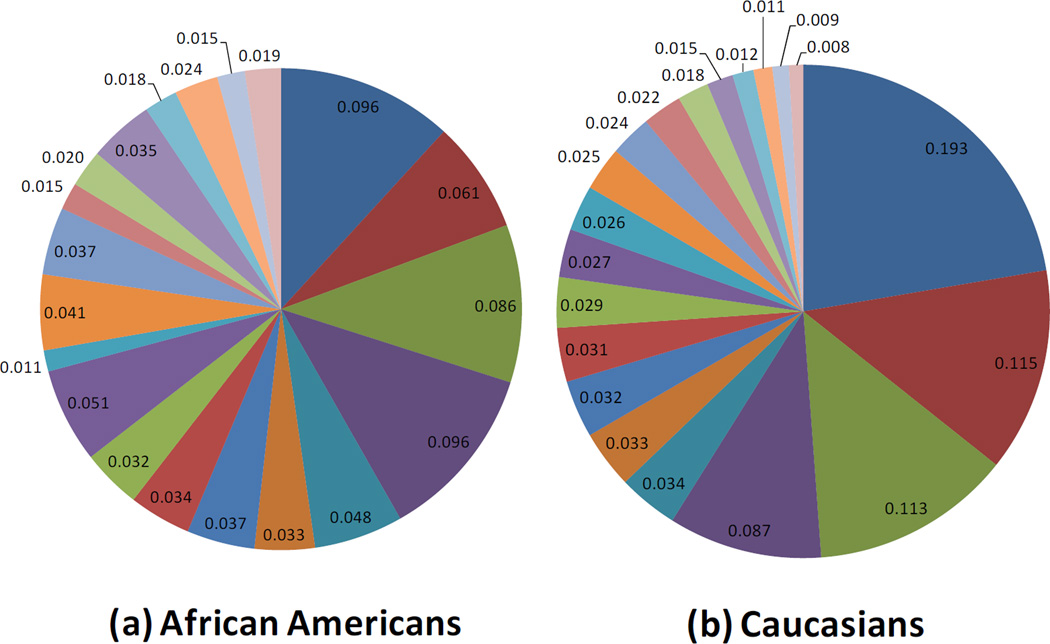
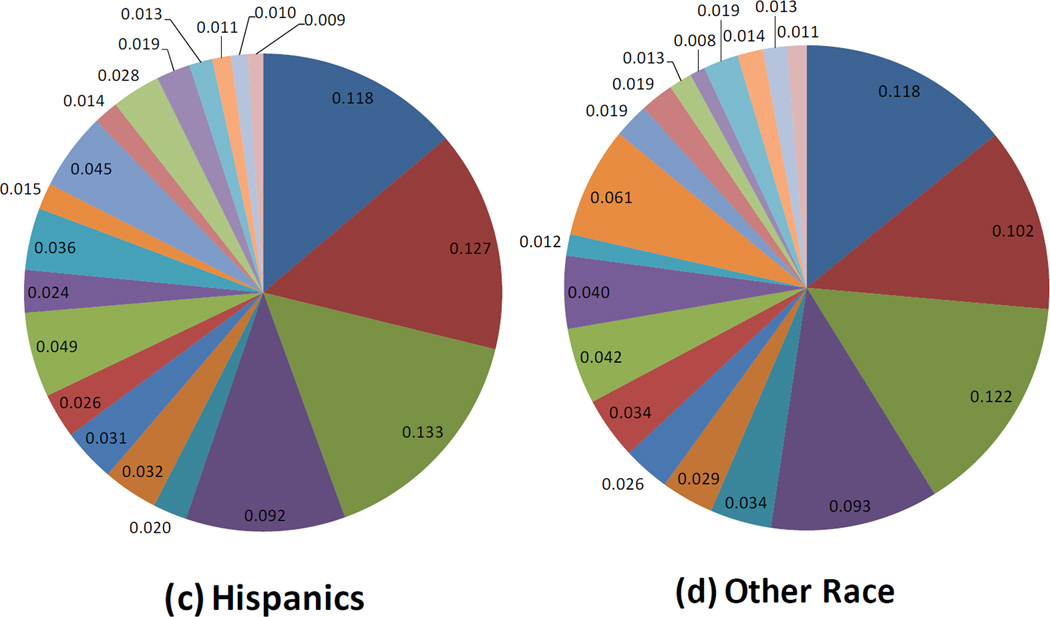
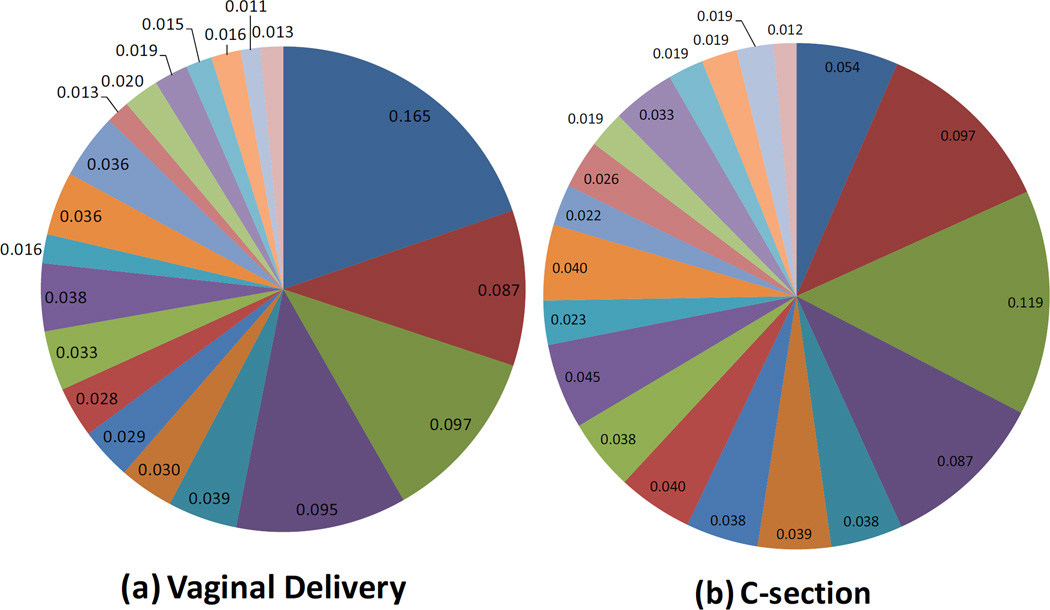
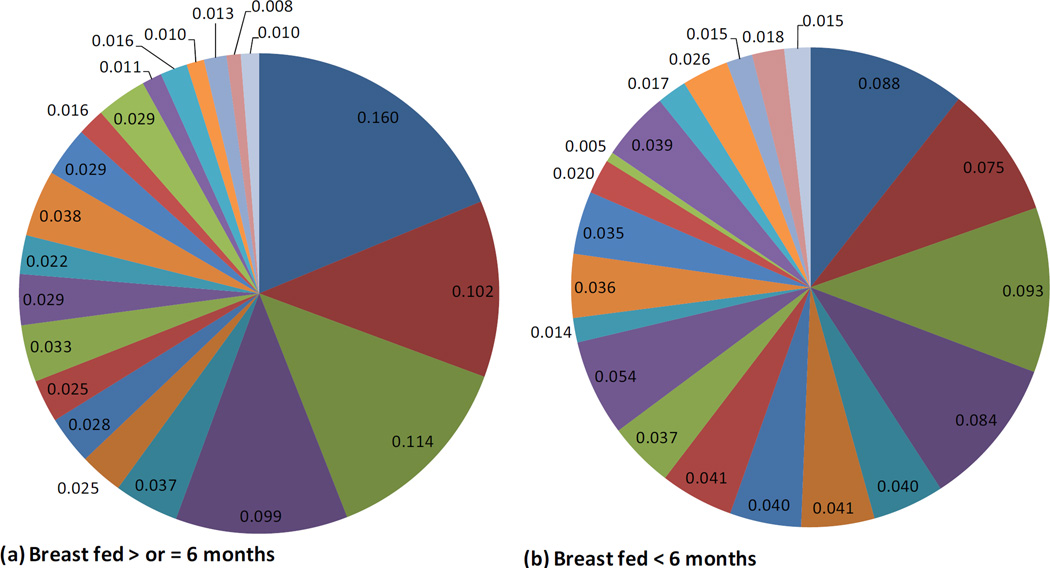
Results: White race/ethnicity was associated with lower diversity but higher Bacteroidetes coabundance scores. C-section birth was associated with higher diversity, but decreased Bacteroidetes coabundance scores. Firmicutes scores were higher for infants born by C-section. Breast-fed infants had lower proportions of Clostridiales. Cord blood vitamin D was linked to increased Lachnobacterium, but decreased Lactococcus.
Conclusions: The findings presented here suggest that race, mode of delivery, breast-feeding, and cord blood vitamin D levels are associated with infant gut microbiome composition, with possible long-term implications for immune system modulation and asthma/allergic disease incidence.
Keywords: C-section; Infant gut microbiome; breast-feeding; race.
Copyright © 2016 American Academy of Allergy, Asthma & Immunology. Published by Elsevier Inc. All rights reserved.
Figures
References
-
- Guarner F, Malagelada JR. Gut flora in health and disease. Lancet. 2003 Feb 8;361(9356):512–519. - PubMed
-
- Salminen S, Bouley C, Boutron-Ruault MC, Cummings JH, Franck A, Gibson GR, et al. Functional food science and gastrointestinal physiology and function. Br J Nutr. 1998 Aug;(80 Suppl 1):S147–S171. - PubMed
Publication types
MeSH terms
Substances
Grants and funding
LinkOut - more resources
Full Text Sources
Other Literature Sources
Medical
