


Longitudinal assessment of injury recidivism among adults in the United States: findings from a population-based sample
- PMID: 27747542
- PMCID: PMC4737788
- DOI: 10.1186/s40621-016-0071-x
Longitudinal assessment of injury recidivism among adults in the United States: findings from a population-based sample
Abstract
Background: Repeated injuries, as known as injury recidivism, pose a significant burden on population health and healthcare settings. Therefore, identifying those at risk of recidivism can highlight targeted populations for primary prevention in order to improve health and reduce healthcare expenditures. There has been limited research on factors associated with recidivism in the U.S. Using a population-based sample, we aim to: 1) identify the prevalence and risk factors for injury recidivism among non-institutionalized adults; 2) investigate the trend in nationwide recidivism rates over time.
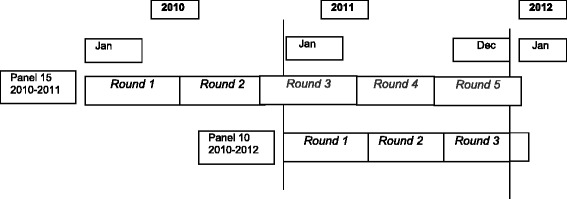
Methods: Using the Medical Expenditure Panel Survey (MEPS), 19,134 adults with at least one reported injury were followed for about 2 years. Reported injuries were those associated with healthcare utilization, disability days or any effects on self-reported health. The independent associations between risk factors for recidivism were evaluated incorporating a weighted logistic regression model.
Results: There were 4,136 recidivists representing over nine million individuals in the U.S. over a 2-year follow-up. About 44 % of recidivists sustained severe injuries requiring a hospitalization, a physician's office visit or an emergency department visit. Compared with those who sustained a single injury, recidivists were more likely to be white, unmarried, reside in metropolitan areas, and report a higher prevalence of chronic conditions. Age, sex, race/ethnicity, marital status, urbanicity, region, diabetes, stroke, asthma and depression symptoms were significant predictors of recidivism. Significant interaction effects between age and gender suggested those in the 18-25 age group, the odds of being a recidivist were 1.45 higher among males than females adjusting for other covariates. While having positive screens for depression in both follow-up years was associated with 1.46 (95 % CI = 1.21-1.77) higher odds of recidivisms than the reference group adjusting for other variables.
Conclusions: We observed a higher recidivism rate among injured individuals in this study than previously reported. Our findings emphasize the pressing need for injury prevention to reduce the burden of repeated injuries. Preventative efforts may benefit from focusing on males between 18 and 25 years of age and those with comorbidities such as diabetes, stroke and depression.
Keywords: Injury burden; MEPS; Recidivism; Repeated injuries.
Figures

References
-
- Agency for Healthcare Research and Quality (AHRQ). [Internet]. 2003 [cited 2015 Oct 2]. Available from: http://meps.ahrq.gov/mepsweb/.
-
- AHRQ . MEPS HC-105: 2006 full year consolidated data file [Internet]. Rockville. 2006.
-
- Alghnam S, Palta M, L Remington P, Mullahy J, S Durkin M. The association between motor vehicle injuries and health-related quality of life: a longitudinal study of a population-based sample in the United States. Qual Life Res [Internet] 2013;23(1):119–27. doi: 10.1007/s11136-013-0444-3. - DOI - PMC - PubMed
-
- Batchelor FA, Mackintosh SF, Said CM, Hill KD. Falls after stroke. Int J Stroke. 2012;7(6):482–90. - PubMed
LinkOut - more resources
Full Text Sources
Other Literature Sources
