


Temporally Varying Relative Risks for Infectious Diseases: Implications for Infectious Disease Control
- PMID: 27748685
- PMCID: PMC5131868
- DOI: 10.1097/EDE.0000000000000571
Temporally Varying Relative Risks for Infectious Diseases: Implications for Infectious Disease Control
Abstract
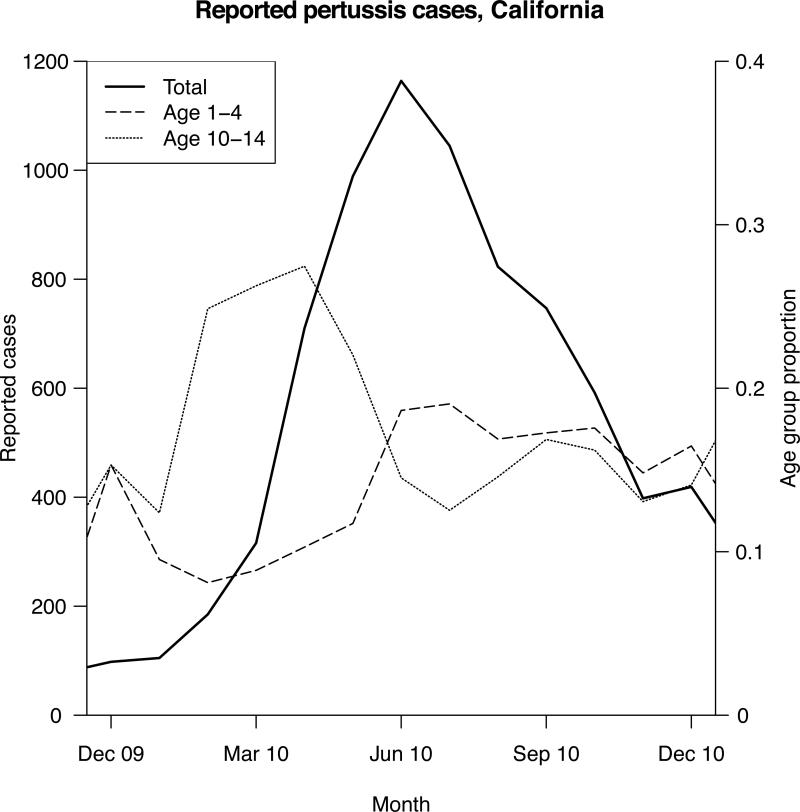
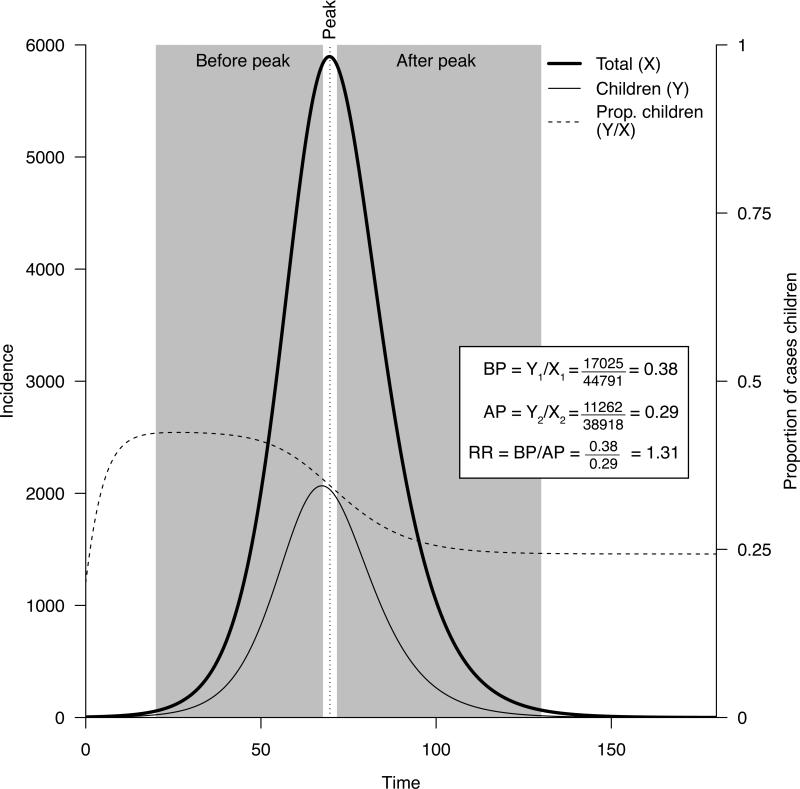
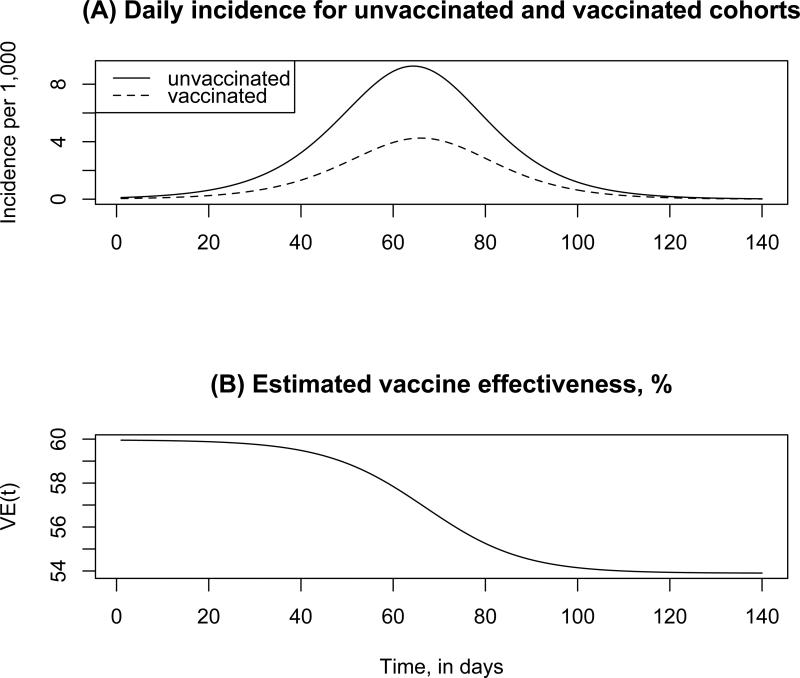
Risks for disease in some population groups relative to others (relative risks) are usually considered to be consistent over time, although they are often modified by other, nontemporal factors. For infectious diseases, in which overall incidence often varies substantially over time, the patterns of temporal changes in relative risks can inform our understanding of basic epidemiologic questions. For example, recent studies suggest that temporal changes in relative risks of infection over the course of an epidemic cycle can both be used to identify population groups that drive infectious disease outbreaks, and help elucidate differences in the effect of vaccination against infection (that is relevant to transmission control) compared with its effect against disease episodes (that reflects individual protection). Patterns of change in the age groups affected over the course of seasonal outbreaks can provide clues to the types of pathogens that could be responsible for diseases for which an infectious cause is suspected. Changing apparent efficacy of vaccines during trials may provide clues to the vaccine's mode of action and/or indicate risk heterogeneity in the trial population. Declining importance of unusual behavioral risk factors may be a signal of increased local transmission of an infection. We review these developments and the related public health implications.
Figures
References
-
- Fisman D. Seasonality of viral infections: mechanisms and unknowns. Clin Microbiol Infect. 2012;18:946–954. - PubMed
Publication types
MeSH terms
Substances
Grants and funding
LinkOut - more resources
Full Text Sources
Other Literature Sources
Medical
