Eriocalyxin B, a natural diterpenoid, inhibited VEGF-induced angiogenesis and diminished angiogenesis-dependent breast tumor growth by suppressing VEGFR-2 signaling
- PMID: 27756875
- PMCID: PMC5347735
- DOI: 10.18632/oncotarget.12652
Eriocalyxin B, a natural diterpenoid, inhibited VEGF-induced angiogenesis and diminished angiogenesis-dependent breast tumor growth by suppressing VEGFR-2 signaling
Abstract
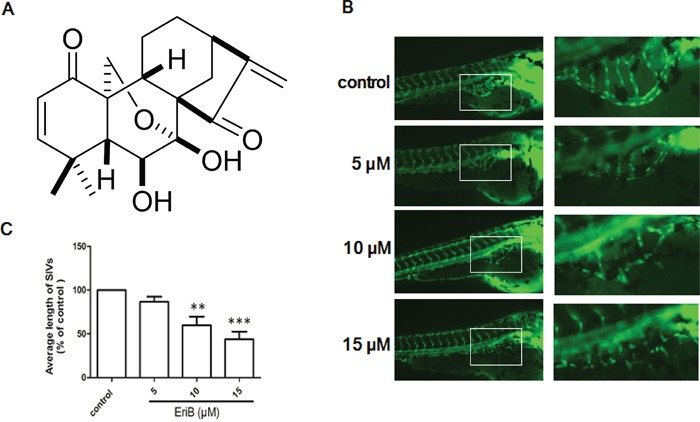
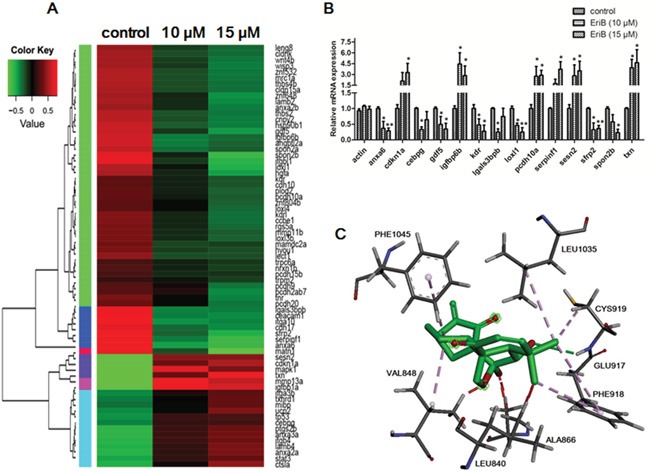
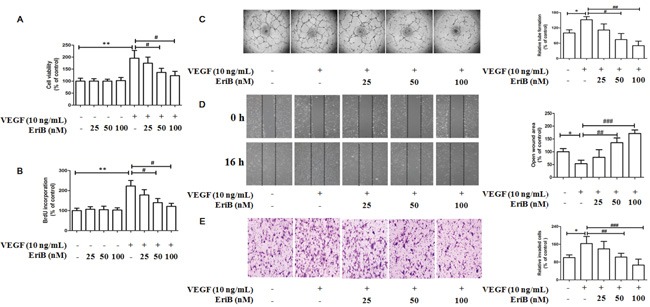
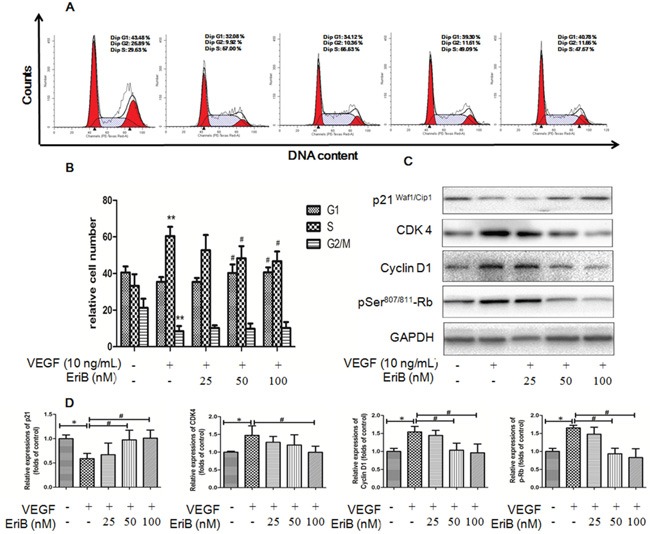
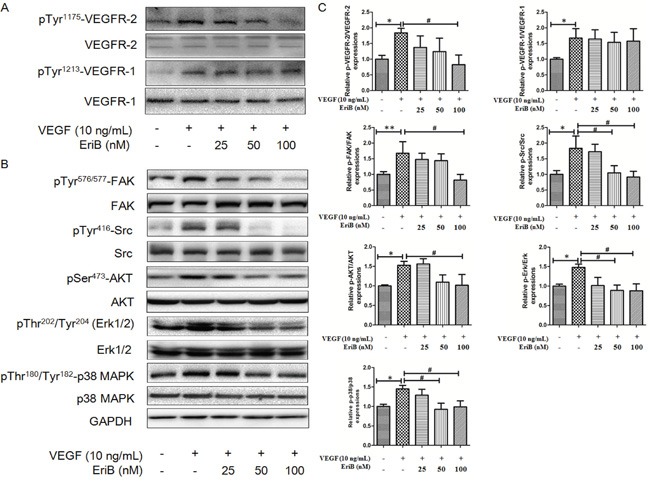
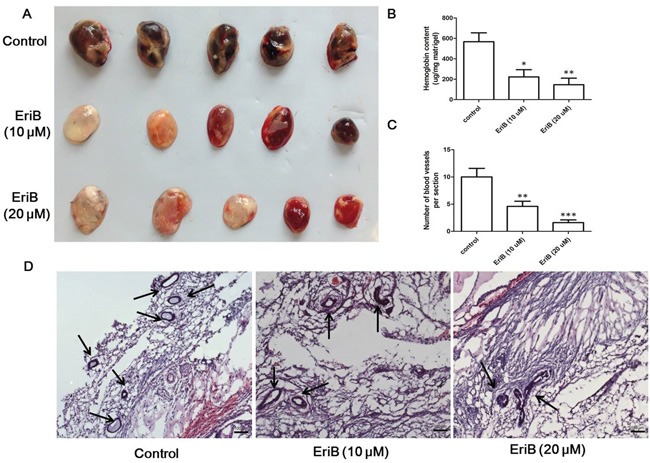
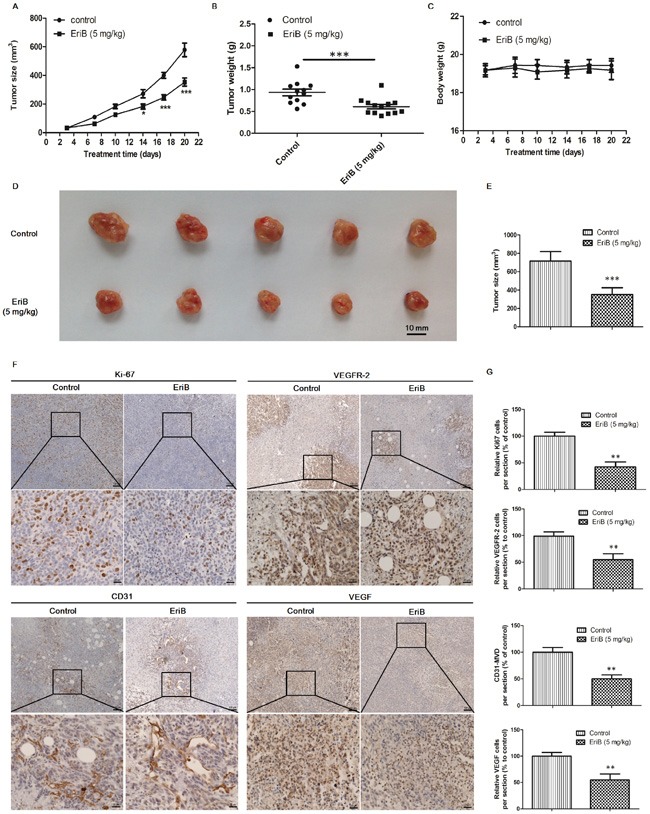
Eriocalyxin B (EriB), a natural ent-kaurane diterpenoid isolated from the plant Isodon eriocalyx var. laxiflora, has emerged as a promising anticancer agent. The effects of EriB on angiogenesis were explored in the present study. Here we demonstrated that the subintestinal vein formation was significantly inhibited by EriB treatment (10, 15 μM) in zebrafish embryos, which was resulted from the alteration of various angiogenic genes as shown in transcriptome profiling. In human umbilical vein endothelial cells, EriB treatment (50, 100 nM) could significantly block vascular endothelial growth factors (VEGF)-induced cell proliferation, tube formation, cell migration and cell invasion. Furthermore, EriB also caused G1 phase cell cycle arrest which was correlated with the down-regulation of the cyclin D1 and CDK4 leading to the inhibition of phosphorylated retinoblastoma protein expression. Investigation of the signal transduction revealed that EriB inhibited VEGF-induced phosphorylation of VEGF receptor-2 via the interaction with the ATP-binding sites according to the molecular docking simulations. The suppression of VEGFR-2 downstream signal transduction cascades was also observed. EriB was showed to inhibit new blood vessel formation in Matrigel plug model and mouse 4T1 breast tumor model. EriB (5 mg/kg/day) treatment was able to decrease tumor vascularization and suppress tumor growth and angiogenesis. Taken together, our findings suggested that EriB is a novel inhibitor of angiogenesis through modulating VEGFR-2 signaling pathway, which could be developed as a promising anti-angiogenic agent for treatment of angiogenesis-related human diseases, such as cancer.
Keywords: Eriocalyxin B; angiogenesis; breast cancer; vascular endothelial growth factor (VEGF); vascular endothelial growth factor receptor 2 (VEGFR-2).
Conflict of interest statement
The authors declare no conflicts of interests.
Figures
References
MeSH terms
Substances
LinkOut - more resources
Full Text Sources
Other Literature Sources
Medical
Molecular Biology Databases
Research Materials
Miscellaneous