


Study to explore the mechanism to form inclusion complexes of β-cyclodextrin with vitamin molecules
- PMID: 27762346
- PMCID: PMC5071908
- DOI: 10.1038/srep35764
Study to explore the mechanism to form inclusion complexes of β-cyclodextrin with vitamin molecules
Abstract
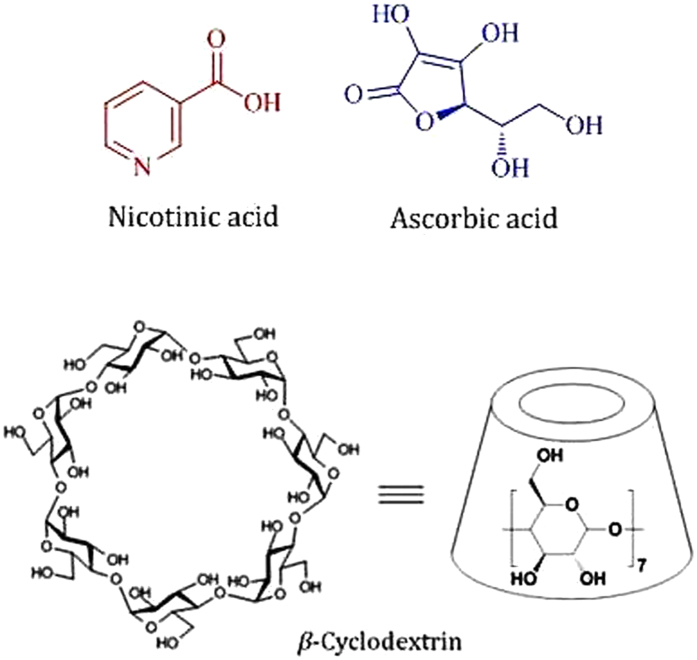
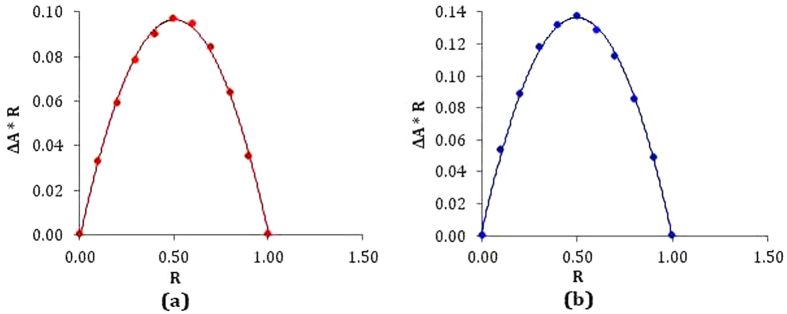
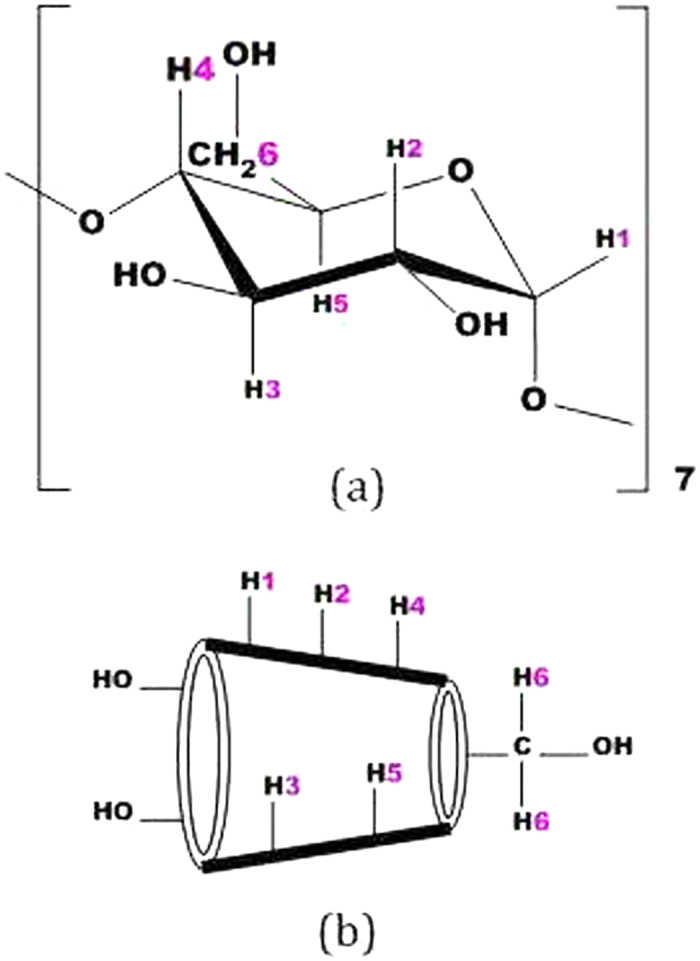
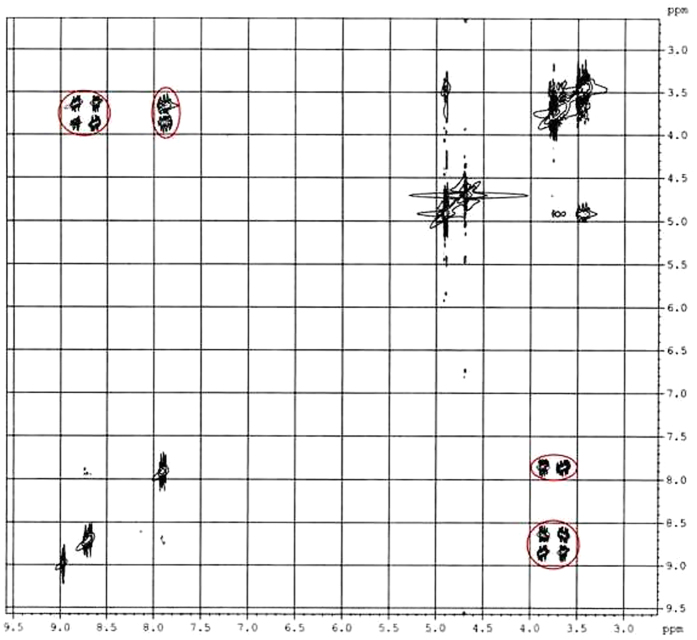
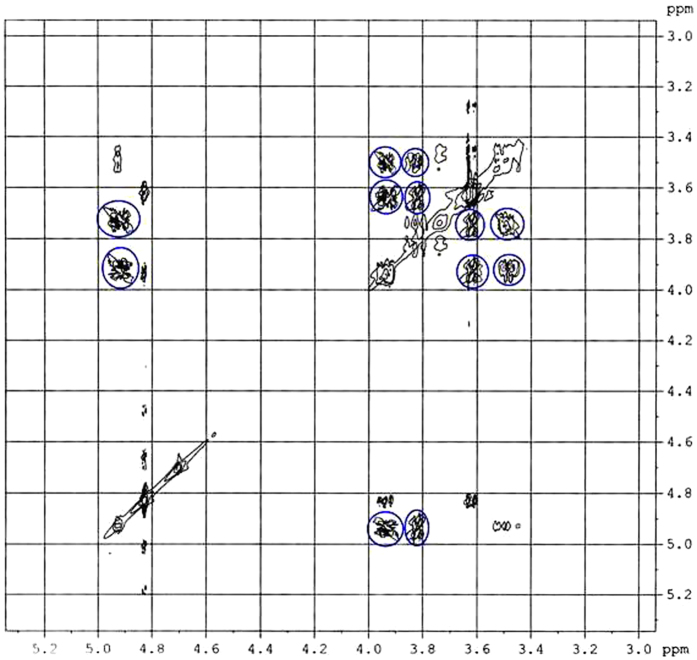
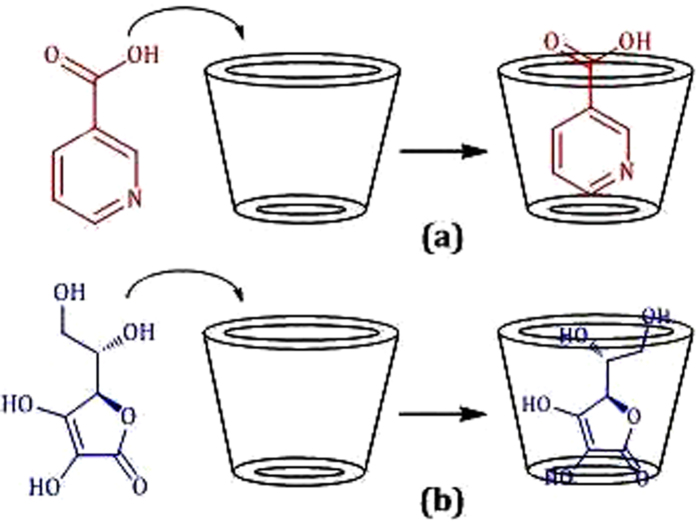
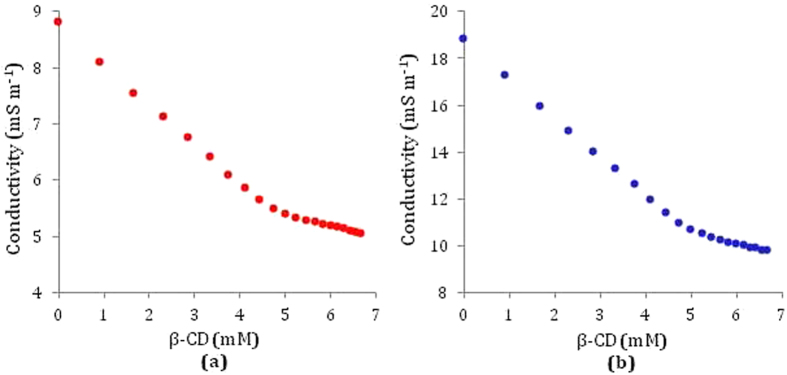
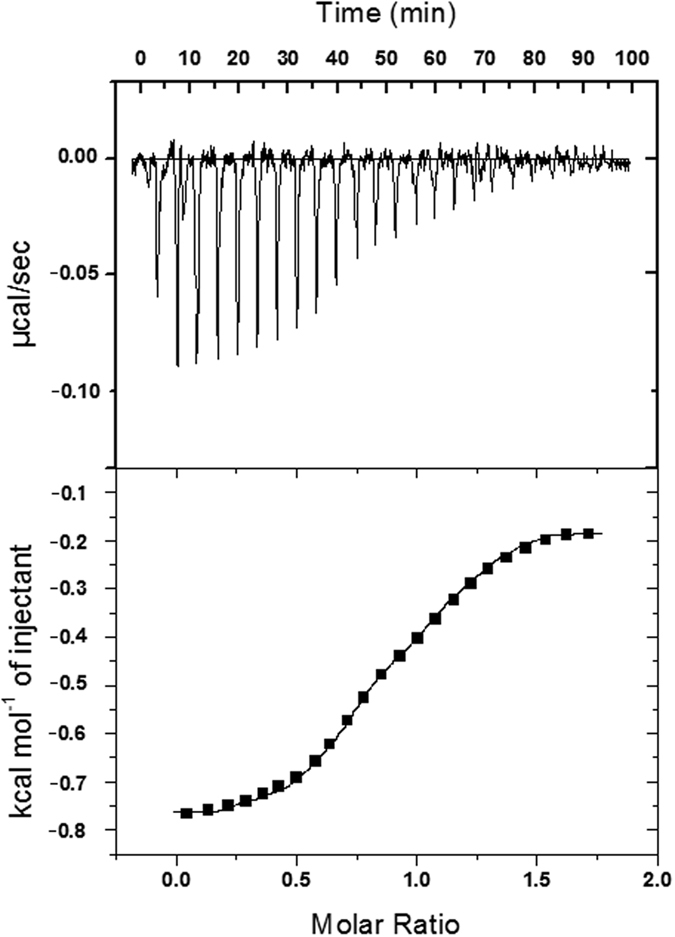
Host-guest inclusion complexes of β-cyclodextrin with two vitamins viz., nicotinic acid and ascorbic acid in aqueous medium have been explored by reliable spectroscopic, physicochemical and calorimetric methods as stabilizer, carrier and regulatory releaser of the guest molecules. Job's plots have been drawn by UV-visible spectroscopy to confirm the 1:1 stoichiometry of the host-guest assembly. Stereo-chemical nature of the inclusion complexes has been explained by 2D NMR spectroscopy. Surface tension and conductivity studies further support the inclusion process. Association constants for the vitamin-β-CD inclusion complexes have been calculated by UV-visible spectroscopy using both Benesi-Hildebrand method and non-linear programme, while the thermodynamic parameters have been estimated with the help of van't Hoff equation. Isothermal titration calorimetric studies have been performed to determine the stoichiometry, association constant and thermodynamic parameters with high accuracy. The outcomes reveal that there is a drop in ΔSo, which is overcome by higher negative value of ΔHo, making the overall inclusion process thermodynamically favorable. The association constant is found to be higher for ascorbic acid than that for nicotinic acid, which has been explained on the basis of their molecular structures.
Figures


References
-
- Szejtli J. Introduction and general overview of cyclodextrin chemistry. Chem. Rev. 98, 1743–1753 (1998). - PubMed
-
- Saenger W. Cyclodextrin inclusion compounds in research and industry. Angew. Chem. Int. Ed. 19, 344–362 (1980).
-
- Bender M. L. & Komiyama M. Cyclodextrin Chemistry 10–15 (Springer-Verlag, 1978).
-
- Szejtli J. & Osa T. Cyclodextrins 189–203 (Elsevier, 1999).
-
- Valle E. M. M. D. Cyclodextrins and their uses: a review. Process Biochemistry 39, 1033–1046 (2004).
Publication types
MeSH terms
Substances
LinkOut - more resources
Full Text Sources
Other Literature Sources
Medical
