


Liquid Organic Fertilizers for Sustainable Agriculture: Nutrient Uptake of Organic versus Mineral Fertilizers in Citrus Trees
- PMID: 27764099
- PMCID: PMC5072554
- DOI: 10.1371/journal.pone.0161619
Liquid Organic Fertilizers for Sustainable Agriculture: Nutrient Uptake of Organic versus Mineral Fertilizers in Citrus Trees
Abstract
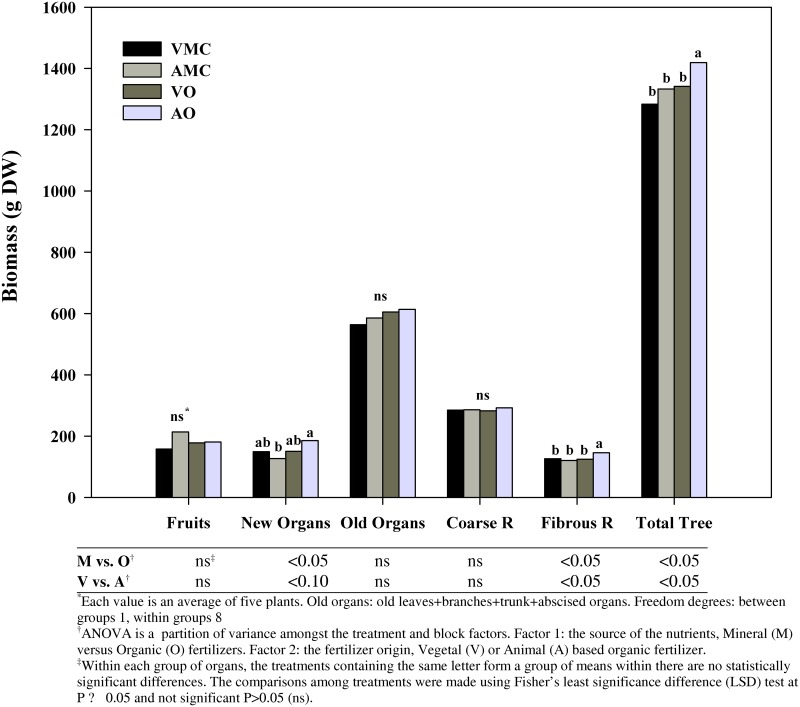
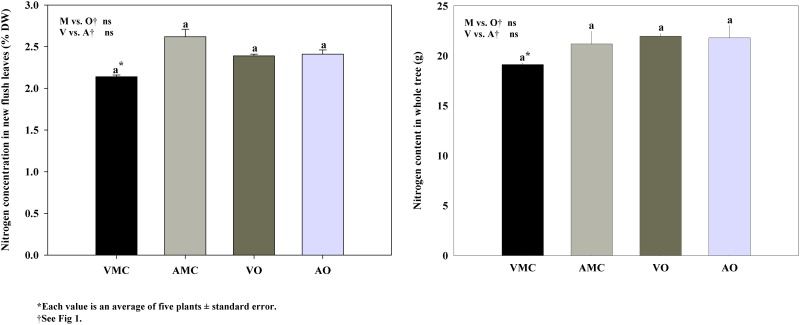
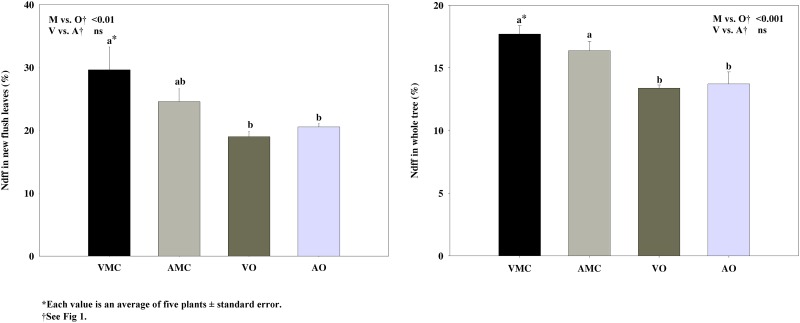
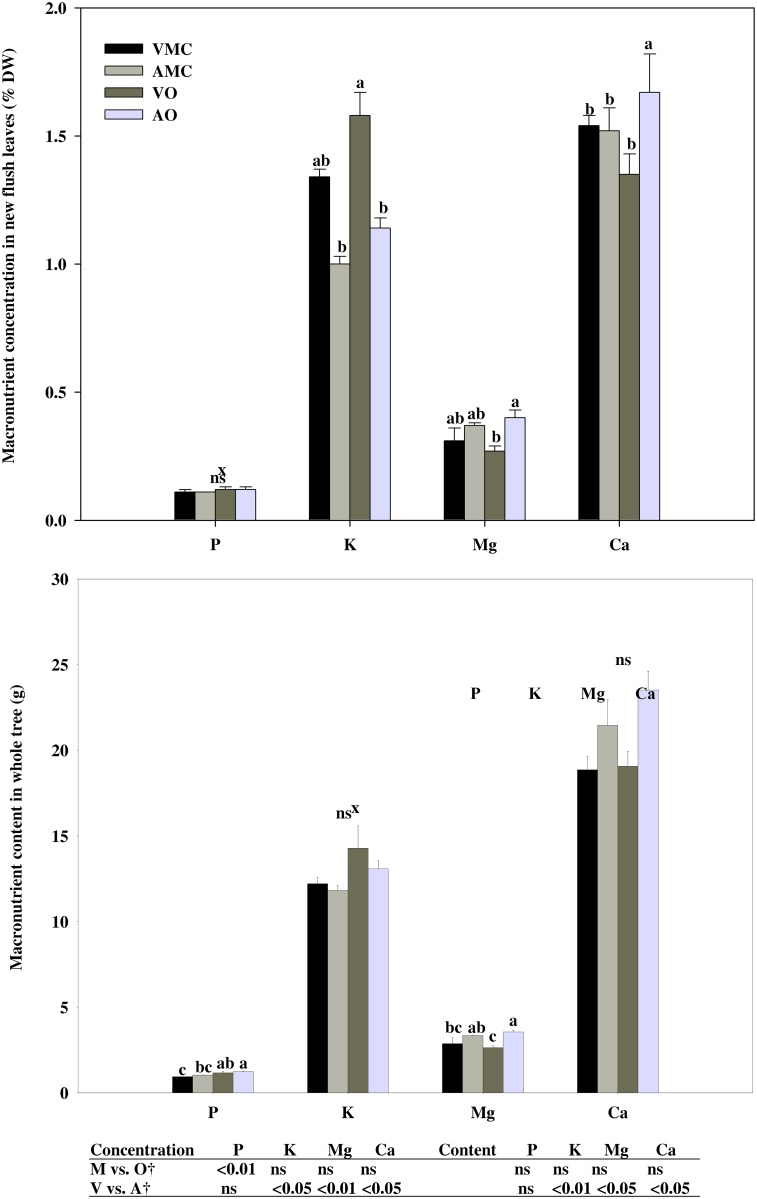
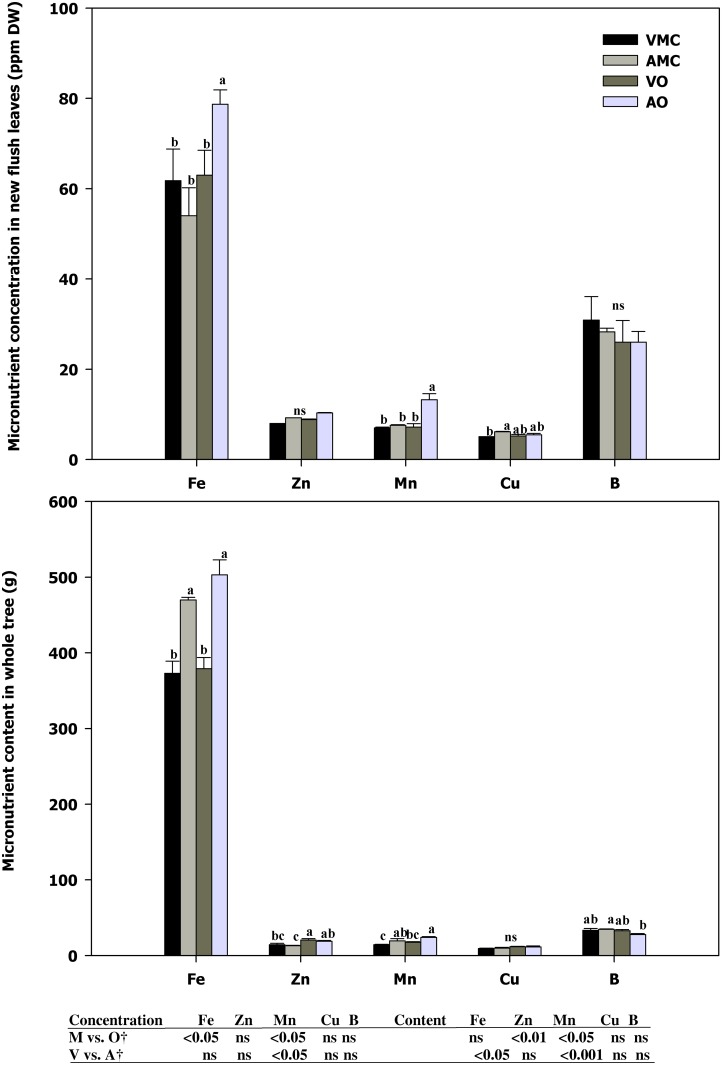
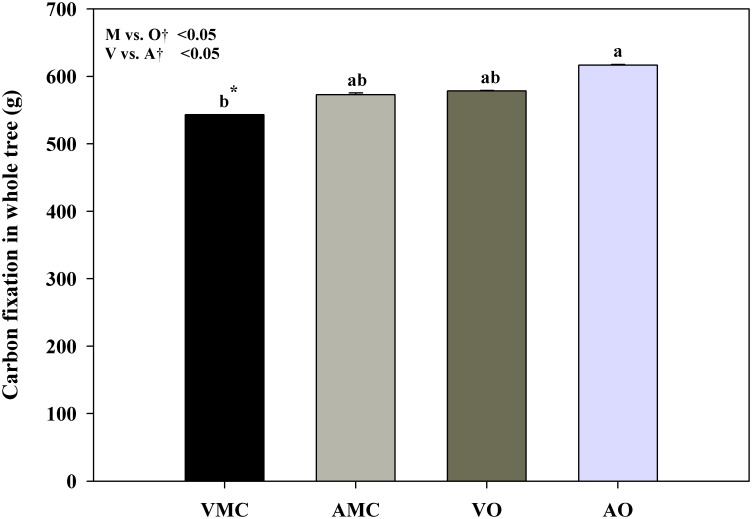
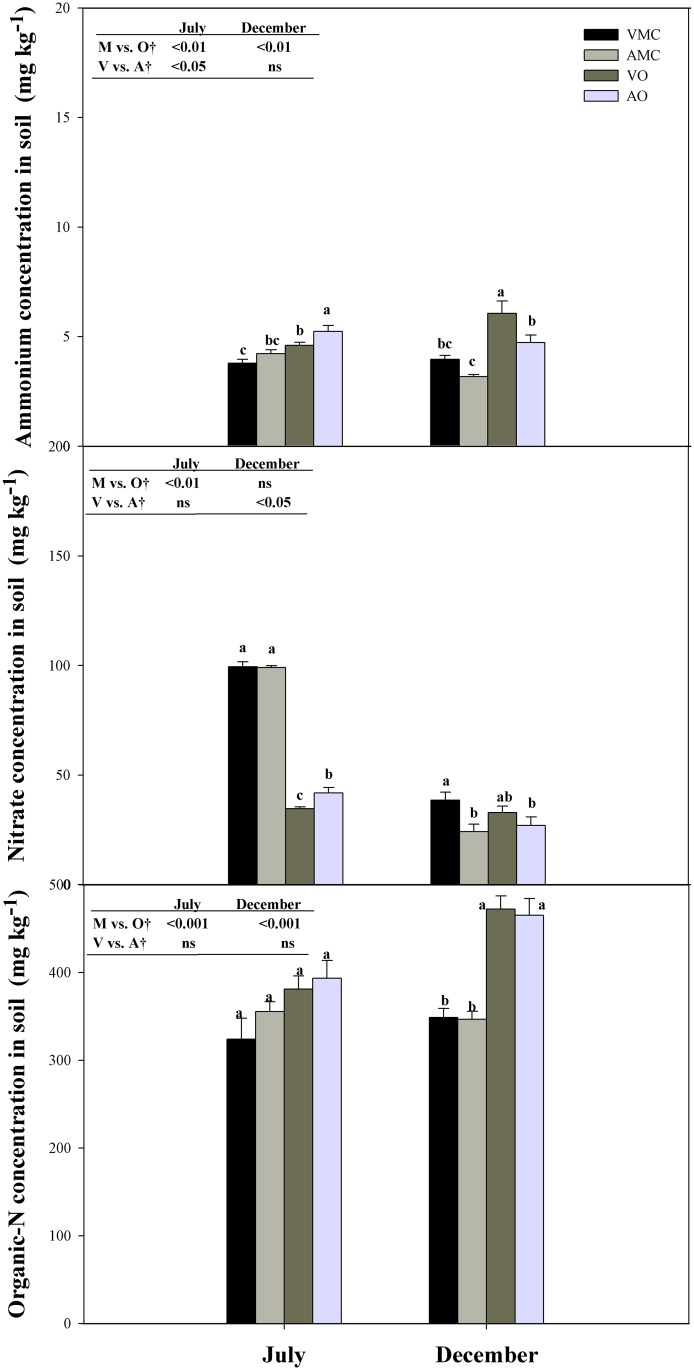
The main objective of this study was to compare the performance of two liquid organic fertilizers, an animal and a plant-based fertilizer, with mineral fertilization on citrus trees. The source of the fertilizer (mineral or organic) had significant effect in the nutritional status of the organic and conventionally managed mandarins. Nutrient uptake, vegetative growth, carbohydrate synthesis and soil characteristics were analyzed. Results showed that plants fertilized with animal based liquid fertilizers exhibited higher total biomass with a more profuse development of new developing organs (leaves and fibrous roots). Liquid organic fertilization resulted in an increased uptake of macro and micronutrients compared to mineral fertilized trees. Moreover, organic fertilization positively affected the carbohydrate content (fructose, glucose and sucrose) mainly in summer flush leaves. Liquid organic fertilization also resulted in an increase of soil organic matter content. Animal-based fertilizer, due to intrinsic composition, increased total tree biomass and carbohydrate leaves content, and led to lower soil nitrate concentration and higher P and Mg exchangeable in soil extract compared to vegetal-based fertilizer. Therefore, liquid organic fertilizers could be used as an alternative to traditional mineral fertilization in drip irrigated citrus trees.
Conflict of interest statement
The authors have declared that no competing interests exist.
Figures
References
-
- Polat E, Demiri H, Erler F. Yield and quality criteria in organically and conventionally grown tomatoes in Turkey. Sci Agricola 2010;67(4): 424–429. 10.1590/S0103-90162010000400008 - DOI
-
- Zahoor WA, Khanzada H, Bashir U., Aziz K, Zahir S, Faheem AK, et al. Role of Nitrogen Fertilizer in Crop Productivity and Environmental Pollution. Int J Agric For. 2014;4(3): 201–206 10.5923/j.ijaf.20140403.09 - DOI
-
- Willer H, Kilcher L In The World of Organic Agriculture: Statistics and Emerging Trends. Bonn: International Federation of Organic Agriculture Movements (IFOAM); Frick, Switzerland: Research Institute of Organic Agriculture (FiBL) 2011.
-
- Barakat MR, Yehia TA, Sayed BM. Response of newhall naval orange to bio-organic fertilization under newly reclaimed area conditions I: Vegetative growth and nutritional status. J Hortic Sci Ornamental Plants. 2012;4(1): 18–25.
-
- Diacono MA, Montemurro F. Review Effectiveness of Organic Wastes as Fertilizers and Amendments in Salt-Affected Soils. Agriculture 2015, 5, 221–230;
MeSH terms
Substances
LinkOut - more resources
Full Text Sources
Other Literature Sources
