Review
. 2016 Dec;37(12):877-888.
doi: 10.1016/j.it.2016.09.005. Epub 2016 Oct 21.

Harnessing NK Cell Memory for Cancer Immunotherapy

Affiliations
Review

Harnessing NK Cell Memory for Cancer Immunotherapy

Todd A Fehniger et al. Trends Immunol. 2016 Dec.

Abstract

Due to their ability to kill cancer cells and produce proinflammatory cytokines, natural killer (NK) cells have long been of clinical interest for their antitumor properties. The recent discovery of NK cell memory demonstrates that NK cell functions, and potentially antitumor responses, can be enhanced long term. Following nonspecific activation with the cytokines IL-12, IL-15, and IL-18 or in response to antigens or cytomegalovirus (CMV), human and mouse NK cells exhibit stable, enhanced functional responses with phenotypic and molecular changes. Here we review mechanisms driving the differentiation of NK cell memory-like properties, evidence for antitumor activity, and the challenges and opportunities in harnessing memory-like NK cells for cancer immunotherapy.


Figures

Figure 1
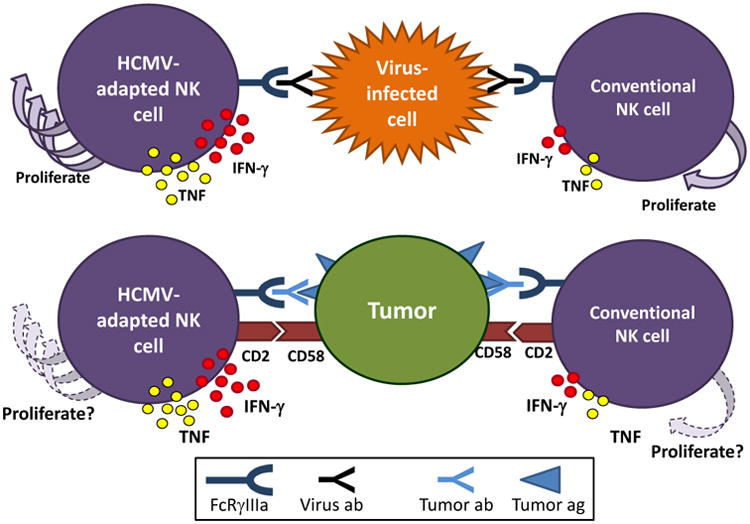
Figure 1. HCMV-Adapted NK Cells Have Enhanced Responses to Engagement of FcγRIIIa
HCMV-adapted NK cells are particularly responsive to stimulation via activating FcγRIIIa (CD16) receptors. (Top) While stimulation of HCMV-adapted NK cells with CMV-infected cells alone leads to minimal cytokine production, the addition of CMV+ serum or viral antibodies leads to significantly enhanced cytokine production by adapted NK cells which also proliferate. These functional responses are superior to those of conventional NK cells. In addition, this response is not HCMV-specific, and was also observed in FcεRIγ-deficient adaptive NK cells cultured with influenza-infected cells in the presence of influenza seropositive autologous serum. (Bottom) CD2 co-stimulation enhances antibody-mediated responses to tumor targets by HCMV-adapted NK cells which produce abundant cytokines, compared to conventional NK cells. The proliferative capacity of NK cells in this setting is not known. Abbreviations used: HCMV: human cytomegalovirus, IFN: interferon, TNF: tumor necrosis factor.
Figure 2
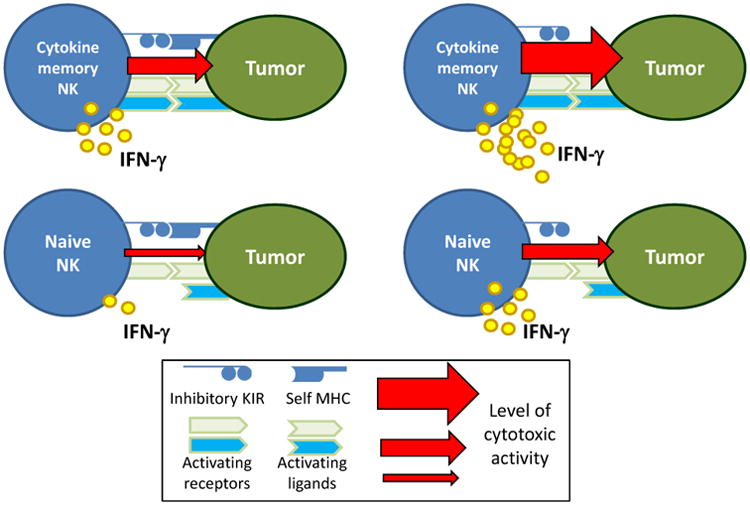
Figure 2. Cytokine-Induced Memory-Like NK Cells Respond to Primary AML Cells Expressing Inhibitory MHC Class I Ligands
(Left) Engagement of inhibitory killer-cell immunoglobulin-like receptors (KIR) expressed by conventional, naïve NK cells normally limits their activation. However, cytokine-induced memory-like NK cells expressing inhibitory KIR recognizing MHC class I expressed by primary AML blasts exhibited enhanced IFN-γ production, compared to control or naïve NK cells. The precise activating signal in this context is currently unknown, although cytokine-induced memory-like NK cells have increased expression of a number of activating receptors. In addition to IFN-γ production, human memory-like NK cell exhibited enhanced cytotoxicity against leukemia targets, compared to control NK cells from the same donors. (Right) In the setting of KIR to KIR-ligand mismatch, memory-like NK cells also have superior responses to conventional or naïve control cells.
Figure 3
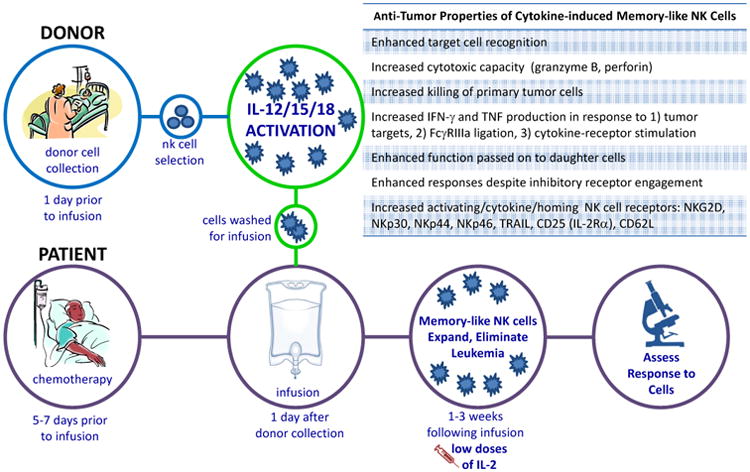
Figure 3. Schema of the First-In-Human Phase 1 Study of Adoptive Immunotherapy with Allogeneic Memory-Like NK Cells
Patients with relapsed or refractory acute myeloid leukemia (AML) are treated with chemotherapy to provide immunosuppression that allows the engraftment of allogeneic donor NK cells. Related donors undergo leukapheresis to collect peripheral blood mononuclear cells, and NK cells are purified by CD3 negative and CD56 positive selection (CliniMACs device that results in >90% CD56+CD3- NK cells). These purified NK cells are then pre-activated with IL-12, IL-15, and IL-18 for 12-16 hours in a GMP setting. Cells are extensively washed to remove cytokines and infused into the cancer patient. Memory-like NK cell differentiate and expand, peaking 1-2 weeks post infusion, supported by low dose IL-2 therapy. Clinical responses are assessed at day 14 and 30 post-infusion using international working group criteria. The anti-tumor properties of cytokine-induced memory-like NK cells are summarized in the box inset.

References

    1. Yokoyama WM. In: Natural Killer Cells, in Fundamental Immunology. Paul W, editor. Lippincott, Williams &Wilkins; Philadelphia: 2013. pp. 395–430.
    1. Vivier E, et al. Innate or adaptive immunity? The example of natural killer cells. Science. 2011;331:44–49. - PMC - PubMed
    1. O'Leary JG, et al. T cell- and B cell-independent adaptive immunity mediated by natural killer cells. Nat Immunol. 2006;7:507–516. - PubMed
    1. Cooper MA, et al. Cytokine-induced memory-like natural killer cells. Proc Natl Acad Sci U S A. 2009;106:1915–1919. - PMC - PubMed
    1. Sun JC, et al. Adaptive immune features of natural killer cells. Nature. 2009;457:557–561. - PMC - PubMed

Publication types