


Prospective use of whole genome sequencing (WGS) detected a multi-country outbreak of Salmonella Enteritidis
- PMID: 27780484
- PMCID: PMC9507544
- DOI: 10.1017/S0950268816001941
Prospective use of whole genome sequencing (WGS) detected a multi-country outbreak of Salmonella Enteritidis
Abstract
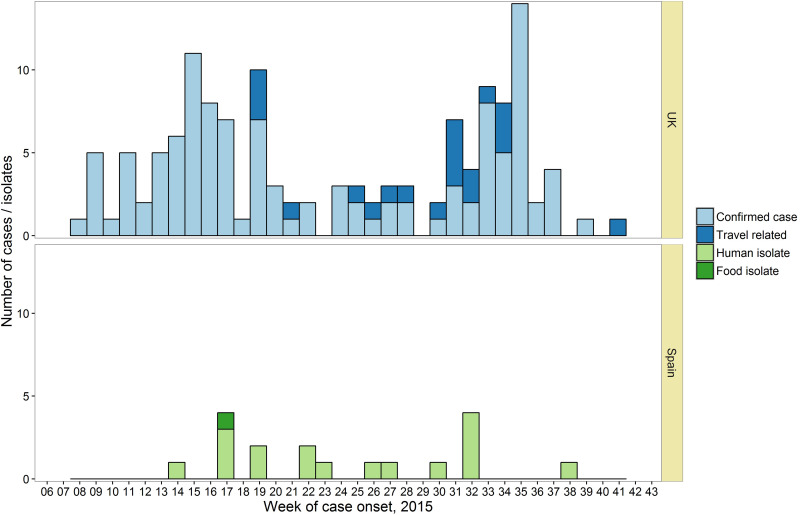
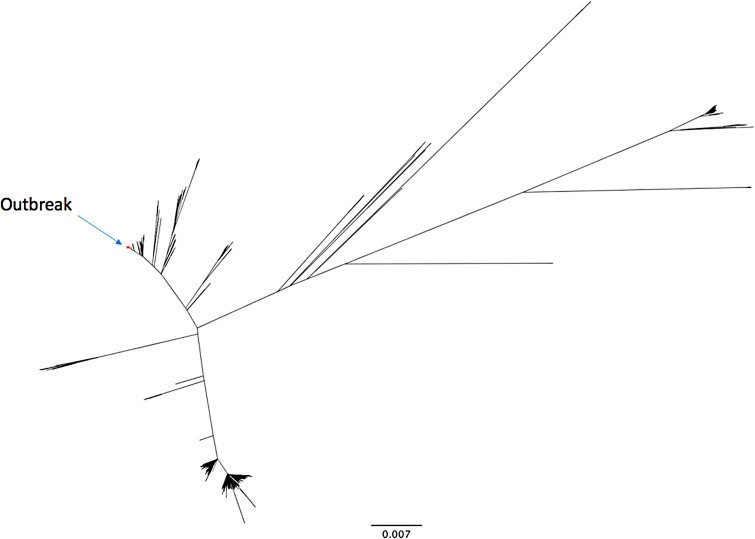
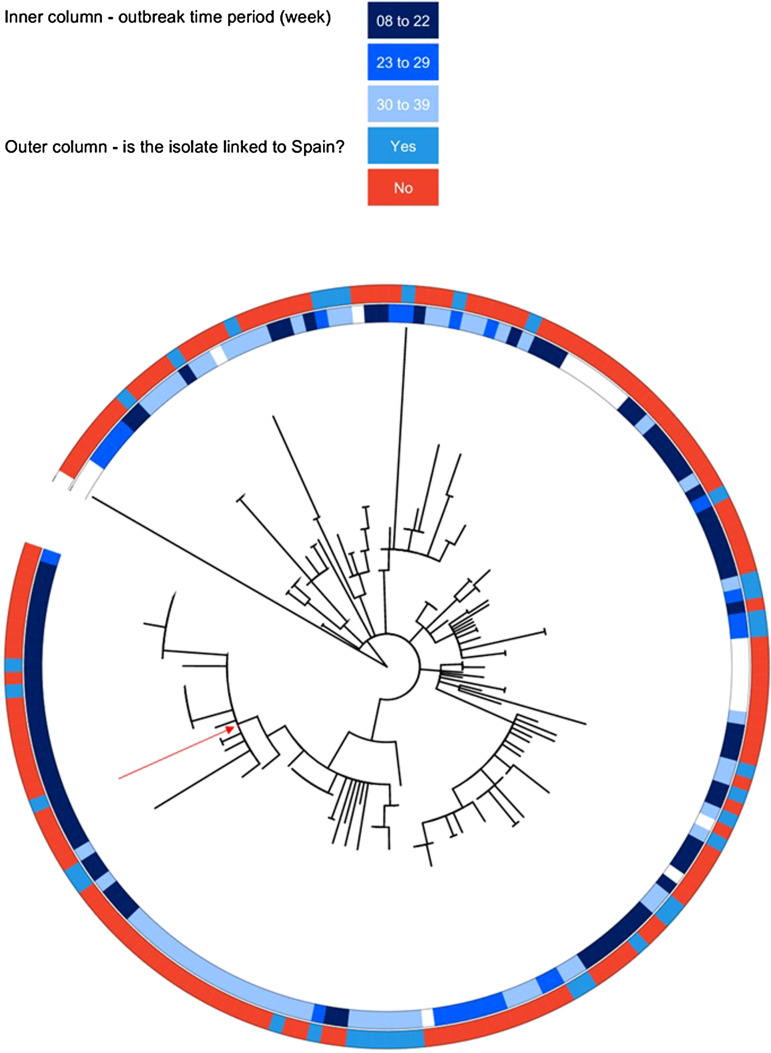
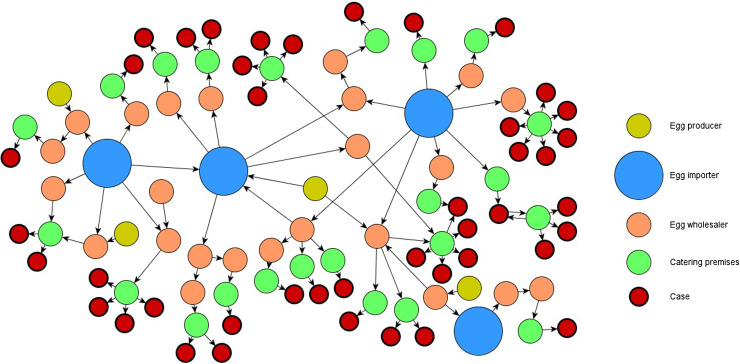
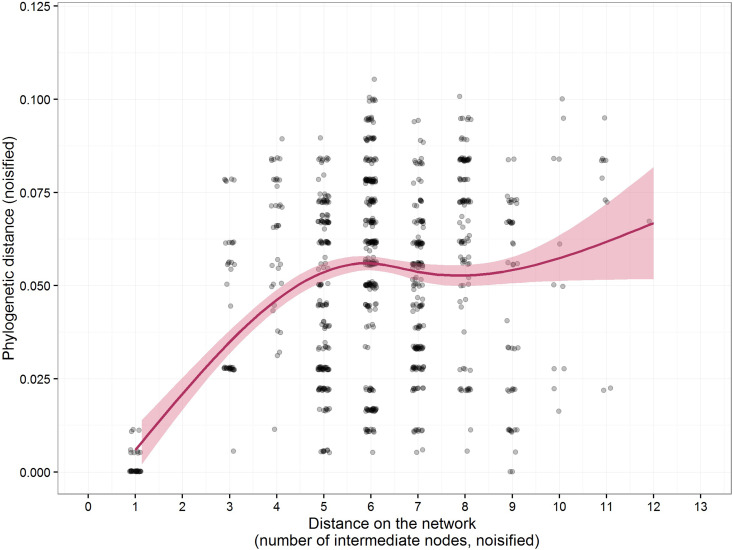
Since April 2015, whole genome sequencing (WGS) has been the routine test for Salmonella identification, surveillance and outbreak investigation at the national reference laboratory in England and Wales. In May 2015, an outbreak of Salmonella Enteritidis cases was detected using WGS data and investigated. UK cases were interviewed to obtain a food history and links between suppliers were mapped to produce a food chain network for chicken eggs. The association between the food chain network and the phylogeny was explored using a network comparison approach. Food and environmental samples were taken from premises linked to cases and tested for Salmonella. Within the outbreak single nucleotide polymorphism defined cluster, 136 cases were identified in the UK and 18 in Spain. One isolate from a food containing chicken eggs was within the outbreak cluster. There was a significant association between the chicken egg food chain of UK cases and phylogeny of outbreak isolates. This is the first published Salmonella outbreak to be prospectively detected using WGS. This outbreak in the UK was linked with contemporaneous cases in Spain by WGS. We conclude that UK and Spanish cases were exposed to a common source of Salmonella-contaminated chicken eggs.
Keywords: Epidemiology; outbreak; salmonellosis; traceback; whole genome sequencing.
Conflict of interest statement
None.
Figures
References
-
- Hugas M, Beloeil P. Controlling Salmonella along the food chain in the European Union – progress over the last ten years. Eurosurveillance 2014; 19: 20804. - PubMed
-
- Inns T, et al. A multi-country Salmonella Enteritidis phage type 14b outbreak associated with eggs from a German producer: ‘near real-time’ application of whole genome sequencing and food chain investigations, United Kingdom, May to September 2014. Eurosurveillance 2015; 20: 21098. - PubMed
Publication types
MeSH terms
LinkOut - more resources
Full Text Sources
Other Literature Sources
Medical
Miscellaneous
