


Underreporting of Musculoskeletal Injuries in the US Army: Findings From an Infantry Brigade Combat Team Survey Study
- PMID: 27789871
- PMCID: PMC5089359
- DOI: 10.1177/1941738116670873
Underreporting of Musculoskeletal Injuries in the US Army: Findings From an Infantry Brigade Combat Team Survey Study
Abstract
Background: Musculoskeletal injury is a significant threat to readiness in the US Army. Current injury surveillance methods are constrained by accurate injury reporting. Input into electronic medical records or databases therefore may not accurately reflect injury incidence. The purpose of this study was to evaluate injury reporting among active-duty US Army soldiers to explore potential limitations of surveillance approaches.
Hypothesis: A significant number of injuries go unreported to medical personnel.
Study design: Cross-sectional study.
Level of evidence: Level 4.
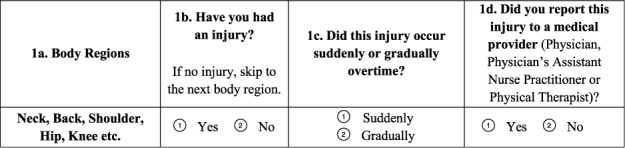
Methods: Surveys were completed by soldiers assigned to an Army Infantry Brigade Combat Team. Survey questions inquired about injuries sustained in the previous 12 months, injury onset, and whether injuries were reported to a medical provider. Participants were asked to rank reasons for accurately reporting, underreporting, and/or exaggerating injuries. Chi-square analyses were used to compare differences among underreported injuries in terms of injury onset (gradual vs acute) and sex.
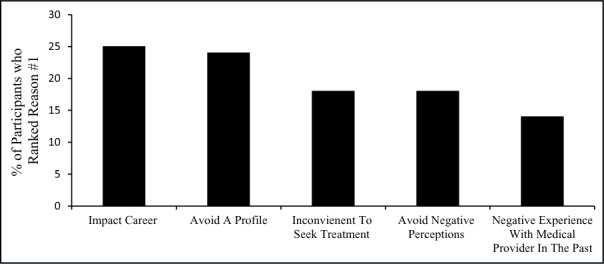
Results: A total of 1388 soldiers reported 3202 injuries that had occurred in the previous 12-month period, including 1636 (51%) that were reported and 1566 (49%) that were identified as not reported to medical personnel. More than 49% of reported injuries were described as acute and 51% were described as chronic. Injury exaggeration was reported by 6% of soldiers. The most common reasons for not reporting injuries were fear that an injury might affect future career opportunities and avoidance of military "profiles" (mandated physical restrictions).
Conclusion: Approximately half of musculoskeletal injuries in a Brigade Combat Team were not reported.
Clinical relevance: Unreported and untreated injuries can lead to reinjury, chronic pain, performance decrements, and increased costs associated with disability benefits. Additionally, unreported injuries can undermine injury surveillance efforts aimed at reducing the musculoskeletal injury problem in the military.
Keywords: injury exaggeration; injury reporting; military readiness; musculoskeletal injury.
© 2016 The Author(s).
Conflict of interest statement
The authors report no potential conflicts of interest in the development and publication of this article.
Figures
References
-
- Army Regulation 40-501. Standards of Medical Fitness. Washington, DC: Headquarters, Department of the Army; 2004:66-72.
-
- Atlas of injuries in the United States Armed Forces. Mil Med. 1999;164(8 suppl):633. - PubMed
-
- Almeida SA, Trone DW, Leone DM, Shaffer RA, Patheal SL, Long K. Gender differences in musculoskeletal injury rates: a function of symptom reporting? Med Sci Sports Exerc. 1999;31:1807-1812. - PubMed
MeSH terms
LinkOut - more resources
Full Text Sources
Other Literature Sources
Medical
Research Materials
