


Prevention and Care Programs Addressing the Growing Prevalence of Diabetes in China
- PMID: 27796780
- PMCID: PMC5085990
- DOI: 10.1007/s11892-016-0821-8
Prevention and Care Programs Addressing the Growing Prevalence of Diabetes in China
Abstract
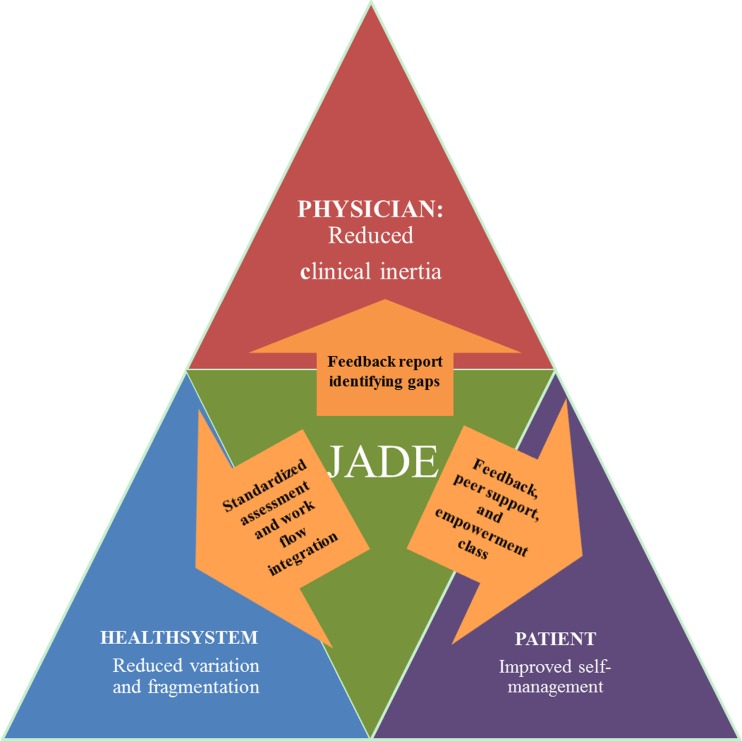
According to a 2010 national survey, 11 % of adults in China have diabetes, affecting 109.6 million individuals. The high prevalence of diabetes has been attributed to the aging of the population, the rapid adoption of energy-dense foods, and a reduction in physical activity. Collectively, these secular changes have created an obesogenic environment that can unmask diabetes in subjects with a genetic predisposition. The growing prevalence of maternal obesity, gestational diabetes, childhood obesity, and early-onset disease can lead to premature morbidity and mortality. Rising to meet these public health challenges, researchers in China have conducted randomized studies to demonstrate the benefits of lifestyle modification in preventing diabetes (the Da Qing Study), as well as that of team-based integrated care, using multiple strategies including peer support and information technology, in order to reduce hospitalizations, cardiovascular-renal complications, and premature deaths. With growing evidence supporting the benefits of these diabetes prevention and management programs, the next challenge is to use policies and systems to scale up the implementation of these programs through raising awareness, building capacity, and providing resources to reduce the human and socioeconomic burden of diabetes.
Keywords: Diabetes management; Integrated care; Patient empowerment; Peer support.
Conflict of interest statement
Junmei Yin declares no conflict of interest. Alice P. S. Kong has received honorarium for consultancy or giving lectures from Abbott, AstraZeneca, Sanofi, Novo-Nordisk, Eli-Lilly, Merck Serono, Pfizer, and Nestle. Juliana C. N. Chan has received research grant and/or honorarium for consultancy or giving lectures, from Bayer, Boehringer Ingelheim, Daiichi-Sankyo, Eli-Lilly, GlaxoSmithKline, Merck Sharp and Dohme, Merck Serono, Pfizer, AstraZeneca, Sanofi, Novo-Nordisk, and/or Bristol-Myers Squibb. The proceeds have been partially donated to the Chinese University of Hong Kong, American Diabetes Association, and other charity organizations to support diabetes research and education. She is the Chief Executive Officer of the Asia Diabetes Foundation, a non-profit research organization under the governance of the Chinese University of Hong Kong, on a pro bono basis. The web-based JADE Program was designed and implemented by the Asia Diabetes Foundation. Human and Animal Rights and Informed Consent This article does not contain any studies with human or animal subjects performed by any of the authors.
Figures
References
-
- China. National Bureau of Statistics of the People’s Republic of China. 2014. http://www.stats.gov.cn/. Accessed 2014.
-
- A mass survey of diabetes mellitus in a population of 300,000 in 14 provinces and municipalities in China (author’s transl). Zhonghua Nei Ke Za Zhi. 1981;20(11):678–83. - PubMed
Publication types
MeSH terms
LinkOut - more resources
Full Text Sources
Other Literature Sources
Medical
