


A Whole-Grain Diet Reduces Cardiovascular Risk Factors in Overweight and Obese Adults: A Randomized Controlled Trial
- PMID: 27798329
- PMCID: PMC5086786
- DOI: 10.3945/jn.116.230508
A Whole-Grain Diet Reduces Cardiovascular Risk Factors in Overweight and Obese Adults: A Randomized Controlled Trial
Abstract
Background: Increased dietary whole-grain intake may protect against cardiovascular disease (CVD).
Objective: The objective was to evaluate the efficacy of whole grains compared with refined grains on body composition, hypertension, and related mediators of CVD in overweight and obese adults.
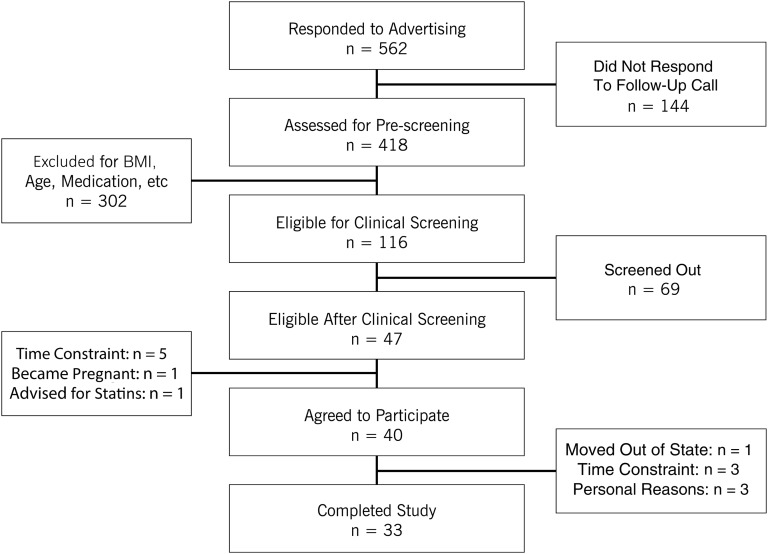
Methods: We conducted a double-blind, randomized, controlled crossover trial in 40 overweight or obese men and women aged <50 y with no known history of CVD. Complete whole-grain and refined-grain diets were provided for two 8-wk periods, with a 10-wk washout between diets. Macronutrient composition was matched, except for the inclusion of either whole grains or refined grains (50 g/1000 kcal in each diet). Measurements included blood pressure, body composition, blood lipids and adiponectin, and markers of inflammation and glycemia.
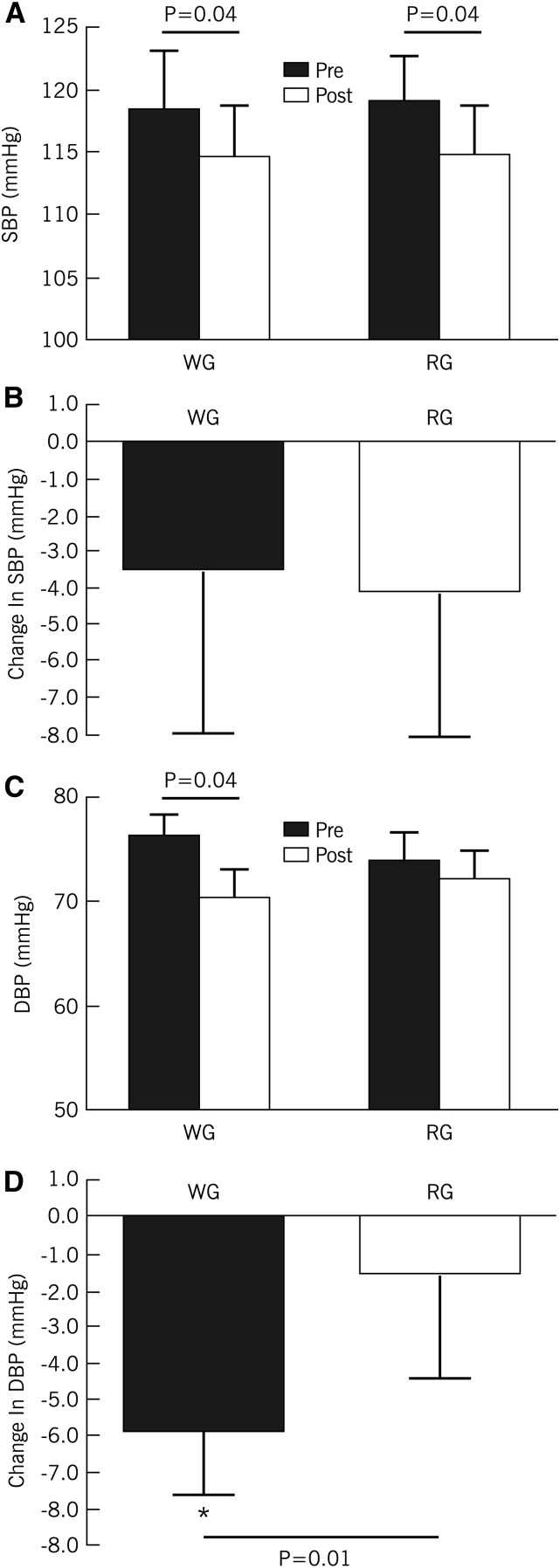
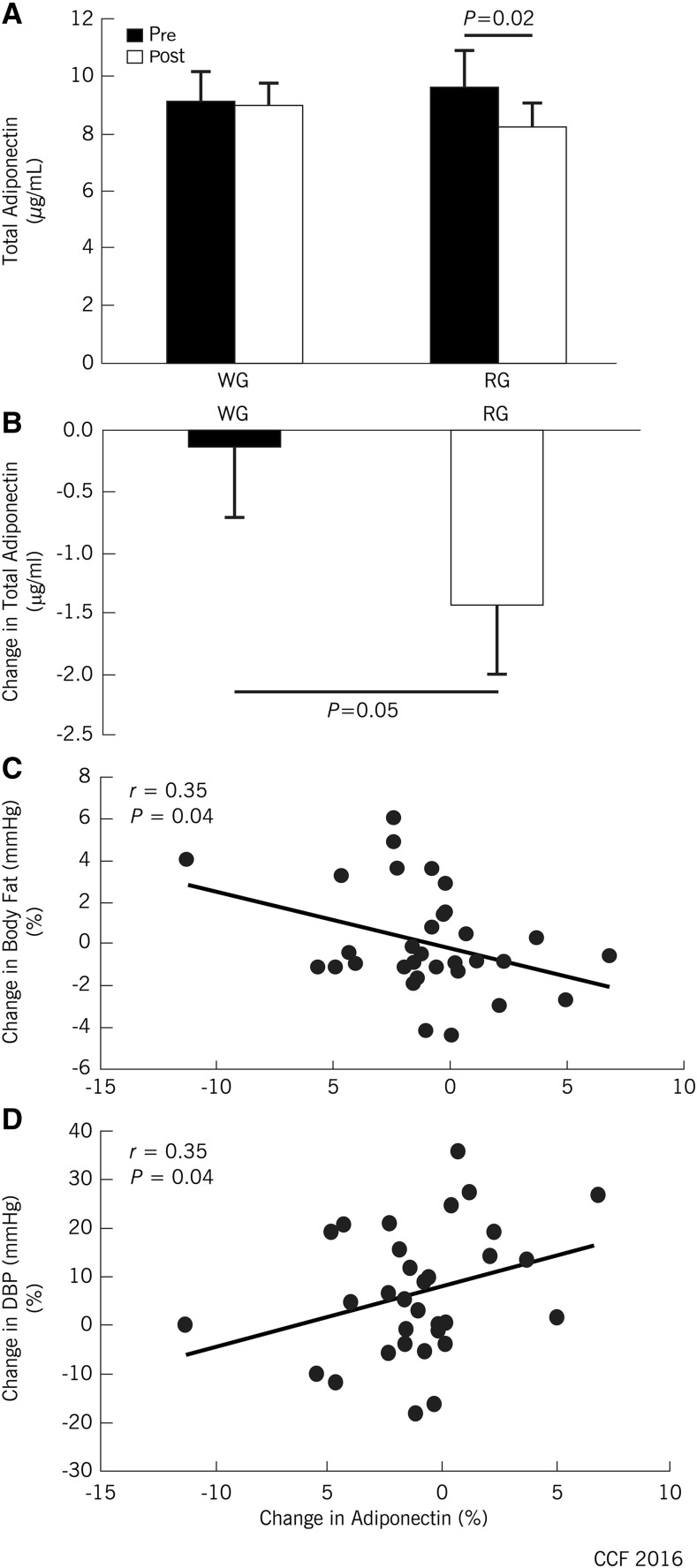
Results: Thirty-three participants (6 men and 27 women) completed the trial [mean ± SD age: 39 ± 7 y; mean ± SD body mass index (in kg/m2): 33.1 ± 4.3]. Decreases in diastolic blood pressure were -5.8 mm Hg (95% CI: -7.7, -4.0 mm Hg) after the whole-grain diet and -1.6 mm Hg (95% CI: -4.4, 1.3 mm Hg) after the control diet (between effect, P = 0.01). Decreases in plasma adiponectin were -0.1 (95% CI: -0.9, 0.7) after the whole-grain diet and -1.4 (95% CI: -2.6, -0.3) after the control diet (between effect, P = 0.05). Decreases in diastolic blood pressure correlated with the circulating adiponectin concentration (r = 0.35, P = 0.04). Substantial reductions in body weight, fat loss, systolic blood pressure, total cholesterol, and LDL cholesterol were observed during both diet periods, with no relevant difference between them.
Conclusions: The improvement in diastolic blood pressure was >3-fold greater in overweight and obese adults when they consumed a whole-grain compared with a refined-grain diet. Because diastolic blood pressure predicts mortality in adults aged <50 y, increased whole-grain intake may provide a functional approach to control hypertension. This may benefit patients at risk of vascular-related morbidity and mortality. This trial was registered at clinicaltrials.gov as NCT01411540.
Keywords: blood pressure; cardiovascular disease; diet; obesity; whole grain.
© 2016 American Society for Nutrition.
Conflict of interest statement
2Author disclosures: J-P Godin, S Kochhar, and AB Ross are employed by the Nestlé Research Center. JP Kirwan, SK Malin, AR Scelsi, EL Kullman, SD Navaneethan, MR Pagadala, JM Haus, and J Filion, no conflicts of interest. Nestlé marketing provided no input on the final data analysis, interpretation, or writing of this article.
Figures
References
-
- Ogden C, Carroll M, Fryar C, Flegal K. Prevalence of obesity among adults and youth: United States, 2011–2014. NCHS data brief, no. 219, Hyattsville (MD): National Center for Health Statistics; 2015.
-
- Li Y, Wei FF, Thijs L, Boggia J, Asayama K, Hansen TW, Kikuya M, Bjorklund-Bodegard K, Ohkubo T, Jeppesen J, et al. Ambulatory hypertension subtypes and 24-hour systolic and diastolic blood pressure as distinct outcome predictors in 8341 untreated people recruited from 12 populations. Circulation 2014;130:466–74. - PMC - PubMed
-
- Lozano R, Naghavi M, Foreman K, Lim S, Shibuya K, Aboyans V, Abraham J, Adair T, Aggarwal R, Ahn SY, et al. Global and regional mortality from 235 causes of death for 20 age groups in 1990 and 2010: a systematic analysis for the Global Burden of Disease Study 2010. Lancet 2012;380:2095–128. Erratum in: Lancet 2013;381:628. - PMC - PubMed
-
- Jensen MD, Ryan DH, Apovian CM, Ard JD, Comuzzie AG, Donato KA, Hu FB, Hubbard VS, Jakicic JM, Kushner RF, et al. 2013 AHA/ACC/TOS guideline for the management of overweight and obesity in adults: a report of the American College of Cardiology/American Heart Association Task Force on Practice Guidelines and the Obesity Society. J Am Coll Cardiol 2014;63(25 Pt B):2985–3023. - PubMed
Publication types
MeSH terms
Substances
Associated data
LinkOut - more resources
Full Text Sources
Other Literature Sources
Medical
