


Personalized treatment in advanced ALK-positive non-small cell lung cancer: from bench to clinical practice
- PMID: 27799783
- PMCID: PMC5074703
- DOI: 10.2147/OTT.S98347
Personalized treatment in advanced ALK-positive non-small cell lung cancer: from bench to clinical practice
Abstract
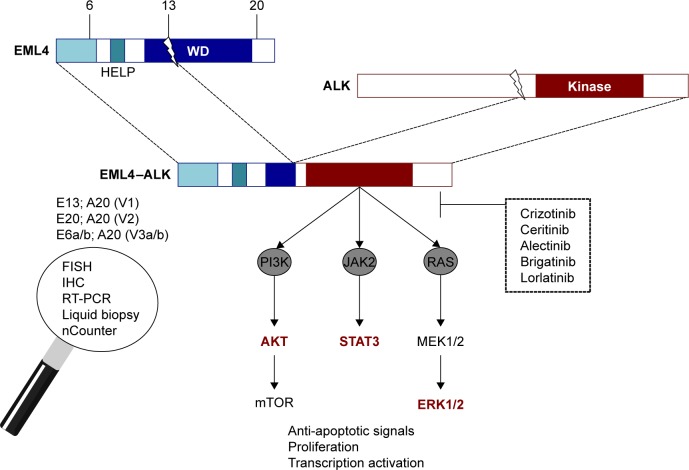
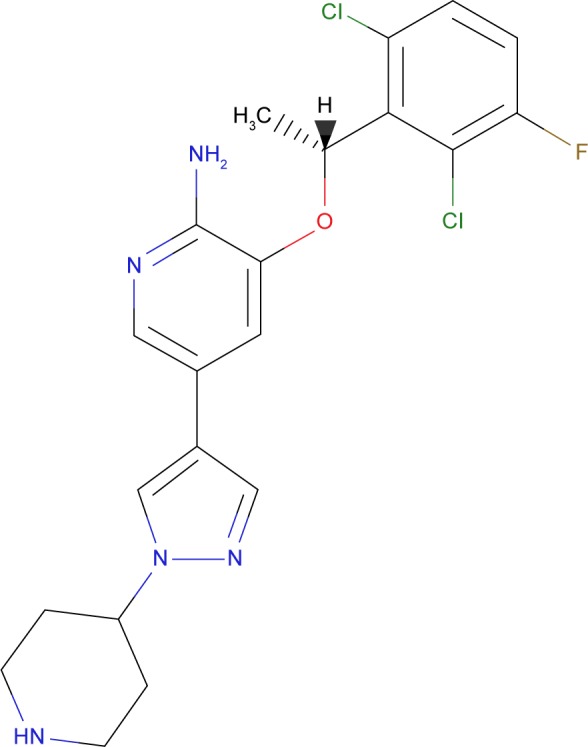
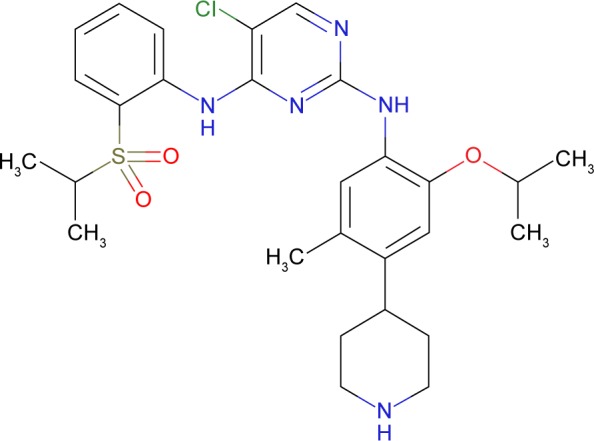
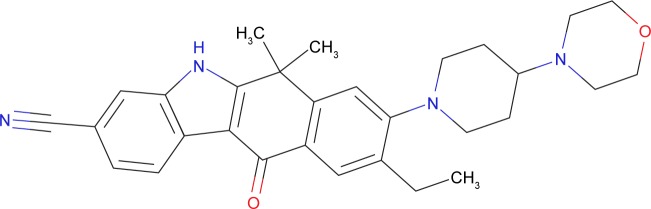
The discovery of anaplastic lymphoma kinase (ALK) gene rearrangements and the development of tyrosine kinase inhibitors (TKI) that target them have achieved unprecedented success in the management of patients with ALK-positive non-small cell lung cancer (NSCLC). Despite the high efficacy of crizotinib, the first oral ALK TKI approved for the treatment of ALK-positive NSCLC, almost all patients inevitably develop acquired resistance, showing disease progression in the brain or in other parenchymal sites. Second- or third-generation ALK TKIs have shown to be active in crizotinib-pretreated or crizotinib-naïve ALK-positive patients, even in those with brain metastases. In this review, the current knowledge regarding ALK-positive NSCLC, focusing on the biology of the disease and the available therapeutic options are discussed.
Keywords: ALK; NSCLC; alectinib; brain metastases; brigatinib; ceritinib; crizotinib; lorlatinib.
Conflict of interest statement
The authors report no conflicts of interest in this work.
Figures
References
-
- Torre LA, Siegel RL, Ward EM, Jemal A. Global cancer incidence and mortality rates and trends – an update. Cancer Epidemiol Biomarkers Prev. 2016;25(1):16–27. - PubMed
-
- Rosell R, Karachaliou N. Large-scale screening for somatic mutations in lung cancer. Lancet. 2016;387(10026):1354–1356. - PubMed
-
- Rosell R, Moran T, Queralt C, et al. Spanish Lung Cancer Group Screening for epidermal growth factor receptor mutations in lung cancer. N Engl J Med. 2009;361(10):958–967. - PubMed
-
- Soda M, Choi YL, Enomoto M, et al. Identification of the transforming EML4-ALK fusion gene in non-small-cell lung cancer. Nature. 2007;448(7153):561–566. - PubMed
Publication types
LinkOut - more resources
Full Text Sources
Other Literature Sources
