


Patients' perspectives on the use of the Montgomery-Asberg depression rating scale self-assessment version in primary care
- PMID: 27804312
- PMCID: PMC5217279
- DOI: 10.1080/02813432.2016.1248635
Patients' perspectives on the use of the Montgomery-Asberg depression rating scale self-assessment version in primary care
Abstract
Objective: The aim of the current study was to better understand how patients with depression perceive the use of MADRS-S in primary care consultations with GPs.
Design: Qualitative study. Focus group discussion and analysis through Systematic Text Condensation.
Setting: Primary Health Care, Region Västra Götaland, Sweden.
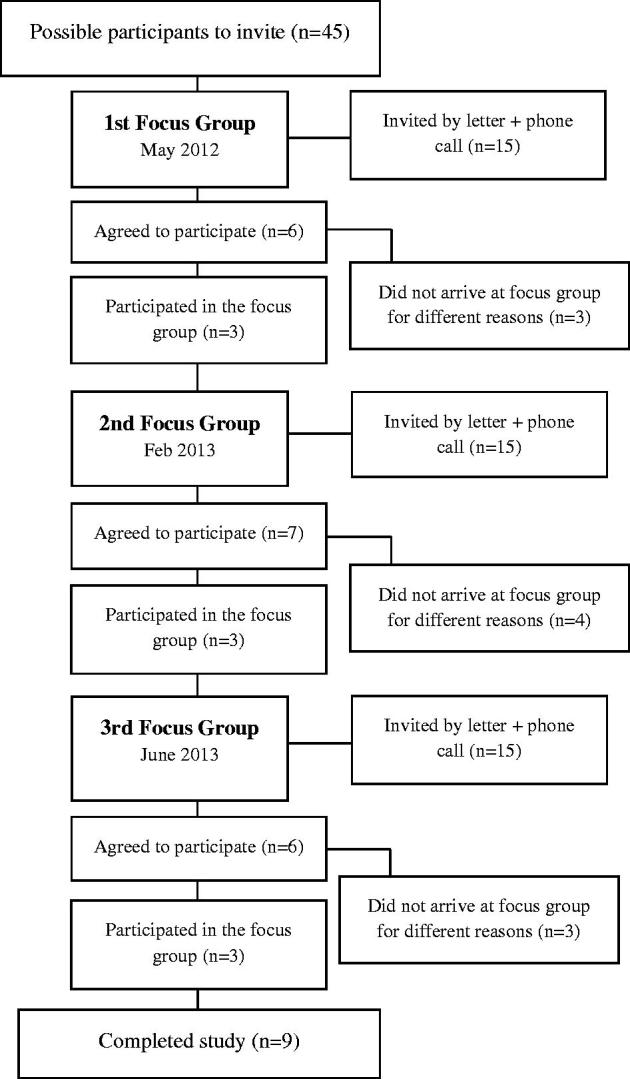
Subjects: Nine patients with mild/moderate depression who participated in a RCT evaluating the effects of regular use of the Montgomery-Åsberg Depression Self-assessment scale (MADRS-S) during the GP consultations.
Main outcome measure: Patients' experiences and perceptions of the use of MADRS-S in primary care.
Results: Three categories emerged from the analysis: (I) confirmation; MADRS-S shows that I have depression and how serious it is, (II) centeredness; the most important thing is for the GP to listen to and take me seriously and (III) clarification; MADRS-S helps me understand why I need treatment for depression.
Conclusion: Use of MADRS-S was perceived as a confirmation for the patients that they had depression and how serious it was. MADRS-S showed the patients something black on white that describes and confirms the diagnosis. The informants emphasized the importance of patient-centeredness; of being listened to and to be taken seriously during the consultation. Use of self-assessment scales such as MADRS-S could find its place, but needs to adjust to the multifaceted environment that primary care provides. Key Points Patients with depression in primary care perceive that the use of a self-assessment scale in the consultation purposefully can contribute in several ways. The scale contributes to Confirmation: MADRS-S shows that I have depression and how serious it is. Centeredness: The most important thing is for the GP to listen to and take me seriously. Clarification: MADRS-S helps me understand why I need treatment for depression.
Keywords: Depression; Sweden; communication; focus group; general practice; primary care; self-assessment scale.
Figures
References
-
- Swedish Council for Health Technology Assessment. Diagnosis and follow up of affective disorders - a systematic review. Report 212/2012. ISBN 978-91-85413-52-2. ISSN 1400–1403 [in Swedish].
-
- Montgomery SA, Asberg M.. A new depression scale designed to be sensitive to change. Br J Psychiatry. 1979;134:382–389. - PubMed
-
- Ottosson J, editor. The patient-doctor relation – the art of medicine on scientific basis. Stockholm: Natur och Kultur, in collaboration with Swedish Council for Health Technology Assessment (SBU); 1999.
Publication types
MeSH terms
LinkOut - more resources
Full Text Sources
Other Literature Sources
Medical
Molecular Biology Databases
