


Challenges in Predicting Protein-Protein Interactions from Measurements of Molecular Diffusivity
- PMID: 27806265
- PMCID: PMC5103004
- DOI: 10.1016/j.bpj.2016.09.018
Challenges in Predicting Protein-Protein Interactions from Measurements of Molecular Diffusivity
Abstract
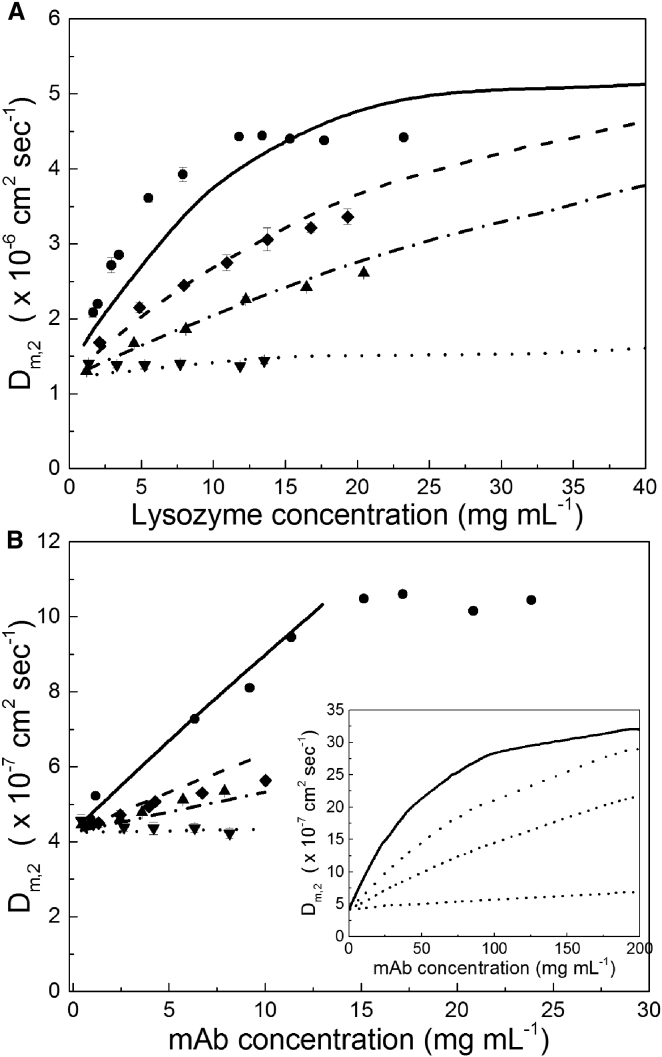
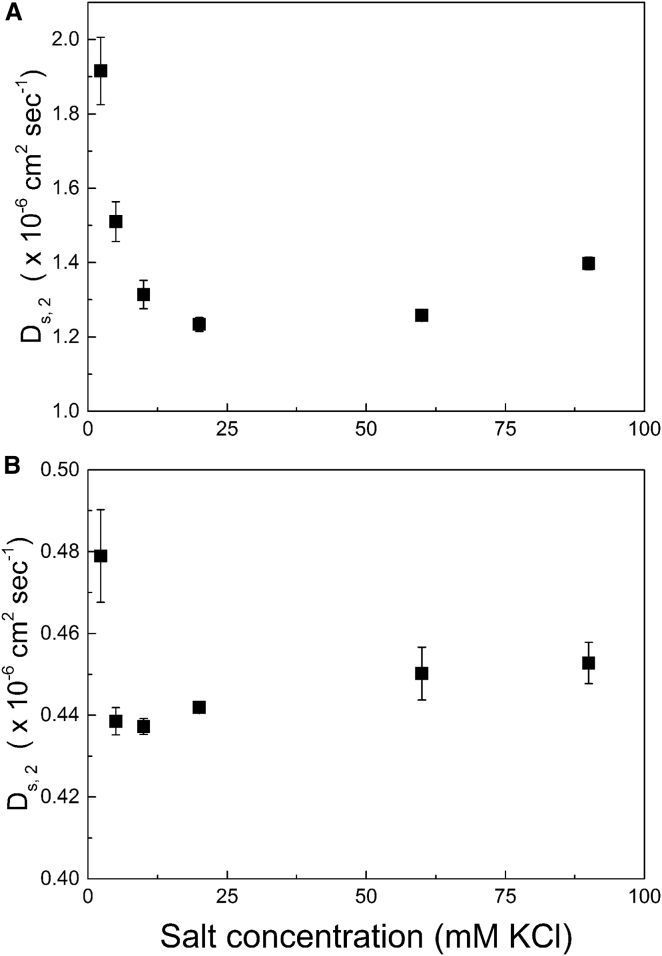
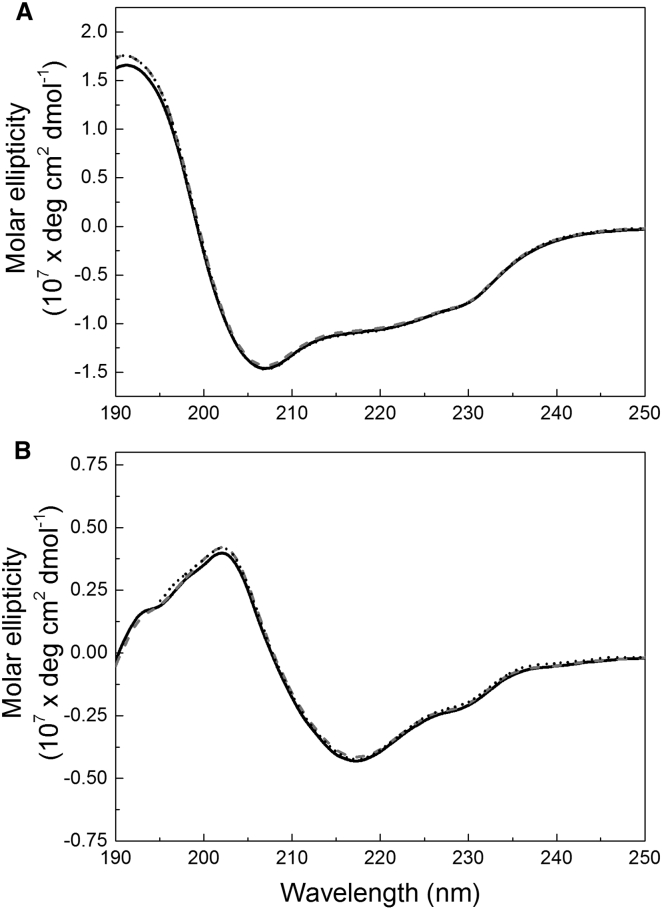
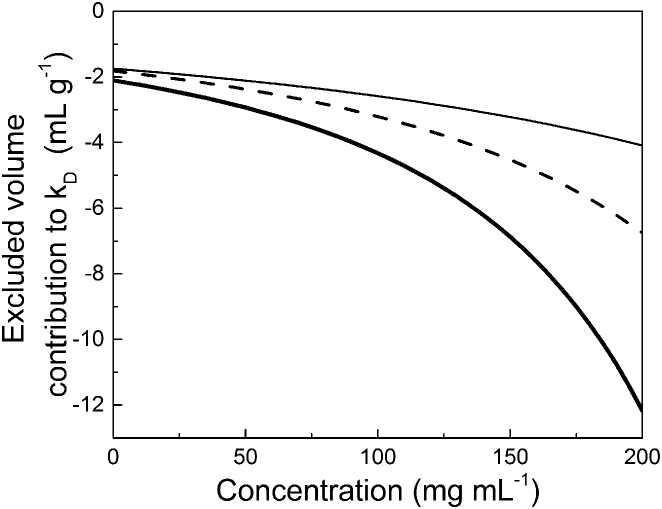
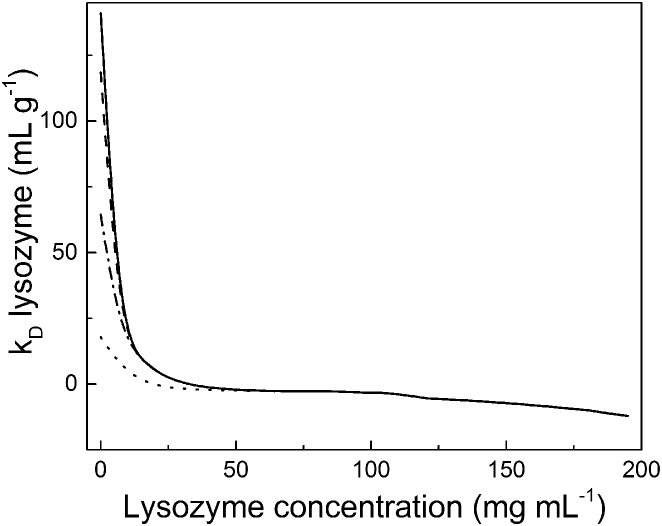
Dynamic light scattering can be used to measure the diffusivity of a protein within a formulation. The dependence of molecular diffusivity on protein concentration (traditionally expressed in terms of the interaction parameter kD) is often used to infer whether protein-protein interactions are repulsive or attractive, resulting in solutions that are colloidally stable or unstable, respectively. However, a number of factors unrelated to intermolecular forces can also impact protein diffusion, complicating this interpretation. Here, we investigate the influence of multicomponent diffusion in a ternary protein-salt-water system on protein diffusion and kD in the context of Nernst-Planck theory. This analysis demonstrates that large changes in protein diffusivity with protein concentration can result even for hard-sphere systems in the absence of protein-protein interactions. In addition, we show that dynamic light scattering measurements of diffusivity made at low ionic strength cannot be reliably used to detect protein conformational changes. We recommend comparing experimentally determined kD values to theoretically predicted excluded-volume contributions, which will allow a more accurate assessment of protein-protein interactions.
Copyright © 2016 Biophysical Society. Published by Elsevier Inc. All rights reserved.
Figures
Comment in
-
Hard Spheres with Purely Repulsive Interactions Have Positive Diffusion Interaction Parameter, kD.Biophys J. 2017 Aug 8;113(3):753-754. doi: 10.1016/j.bpj.2017.03.043. Biophys J. 2017. PMID: 28793228 Free PMC article. No abstract available.
-
Response to Comment to the Editor.Biophys J. 2017 Aug 8;113(3):755-756. doi: 10.1016/j.bpj.2017.06.054. Biophys J. 2017. PMID: 28793229 Free PMC article. No abstract available.
References
MeSH terms
Grants and funding
LinkOut - more resources
Full Text Sources
Other Literature Sources
