


Therapeutic Potential of Curcumin for the Treatment of Brain Tumors
- PMID: 27807473
- PMCID: PMC5078657
- DOI: 10.1155/2016/9324085
Therapeutic Potential of Curcumin for the Treatment of Brain Tumors
Abstract
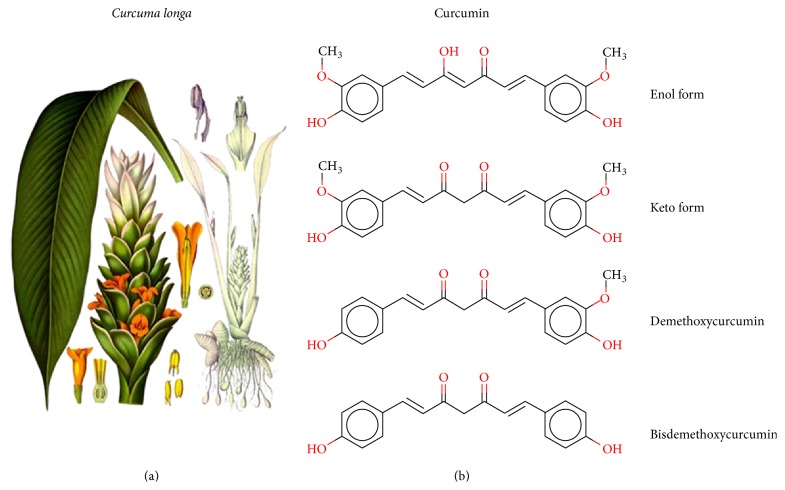
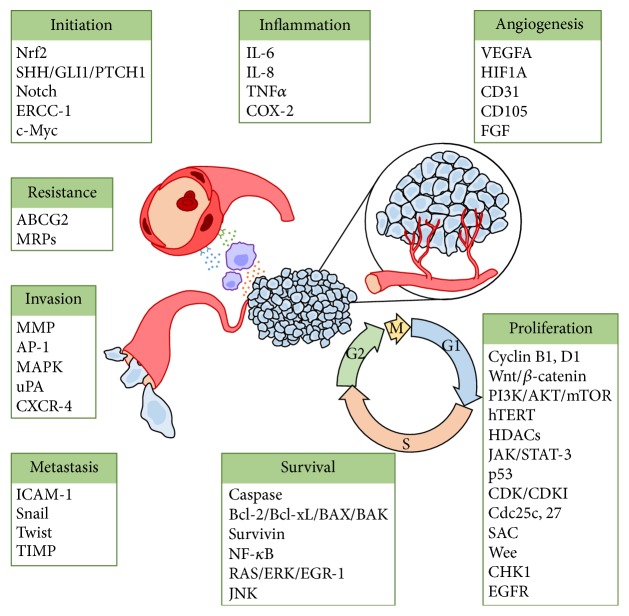
Brain malignancies currently carry a poor prognosis despite the current multimodal standard of care that includes surgical resection and adjuvant chemotherapy and radiation. As new therapies are desperately needed, naturally occurring chemical compounds have been studied for their potential chemotherapeutic benefits and low toxicity profile. Curcumin, found in the rhizome of turmeric, has extensive therapeutic promise via its antioxidant, anti-inflammatory, and antiproliferative properties. Preclinical in vitro and in vivo data have shown it to be an effective treatment for brain tumors including glioblastoma multiforme. These effects are potentiated by curcumin's ability to induce G2/M cell cycle arrest, activation of apoptotic pathways, induction of autophagy, disruption of molecular signaling, inhibition of invasion, and metastasis and by increasing the efficacy of existing chemotherapeutics. Further, clinical data suggest that it has low toxicity in humans even at large doses. Curcumin is a promising nutraceutical compound that should be evaluated in clinical trials for the treatment of human brain tumors.
Figures
References
-
- Stupp R., Hegi M. E., Mason W. P., et al. Effects of radiotherapy with concomitant and adjuvant temozolomide versus radiotherapy alone on survival in glioblastoma in a randomised phase III study: 5-year analysis of the EORTC-NCIC trial. The Lancet Oncology. 2009;10(5):459–466. - PubMed
Publication types
MeSH terms
Substances
LinkOut - more resources
Full Text Sources
Other Literature Sources
Medical
Research Materials
