


Designing therapeutic cancer vaccine trials with delayed treatment effect
- PMID: 27807870
- PMCID: PMC5512569
- DOI: 10.1002/sim.7157
Designing therapeutic cancer vaccine trials with delayed treatment effect
Abstract
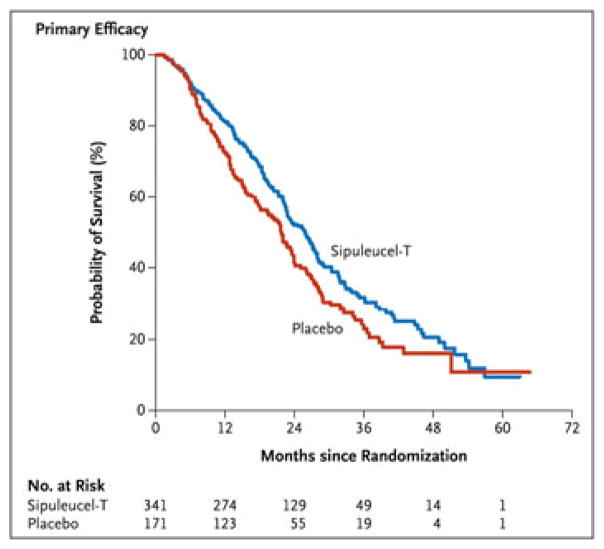
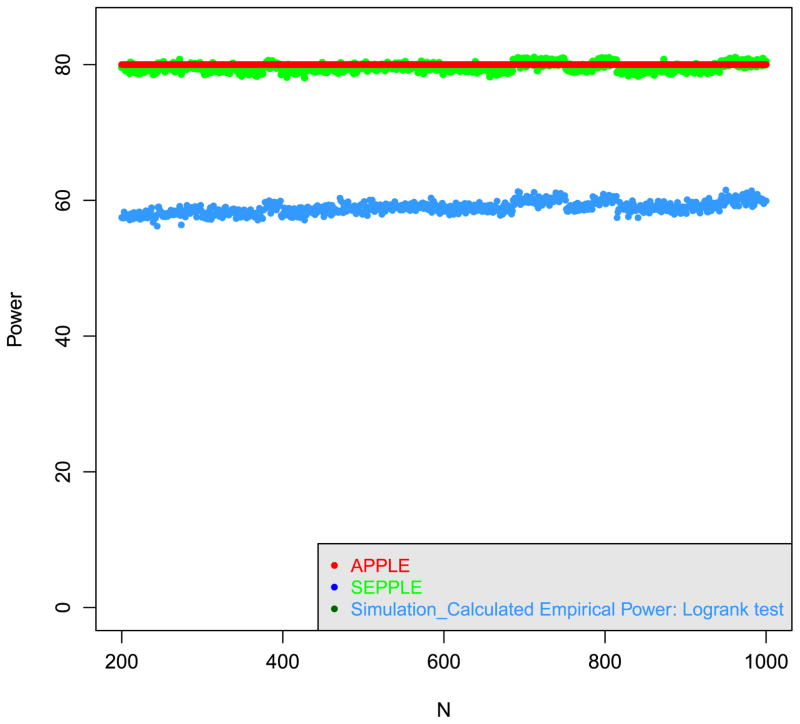
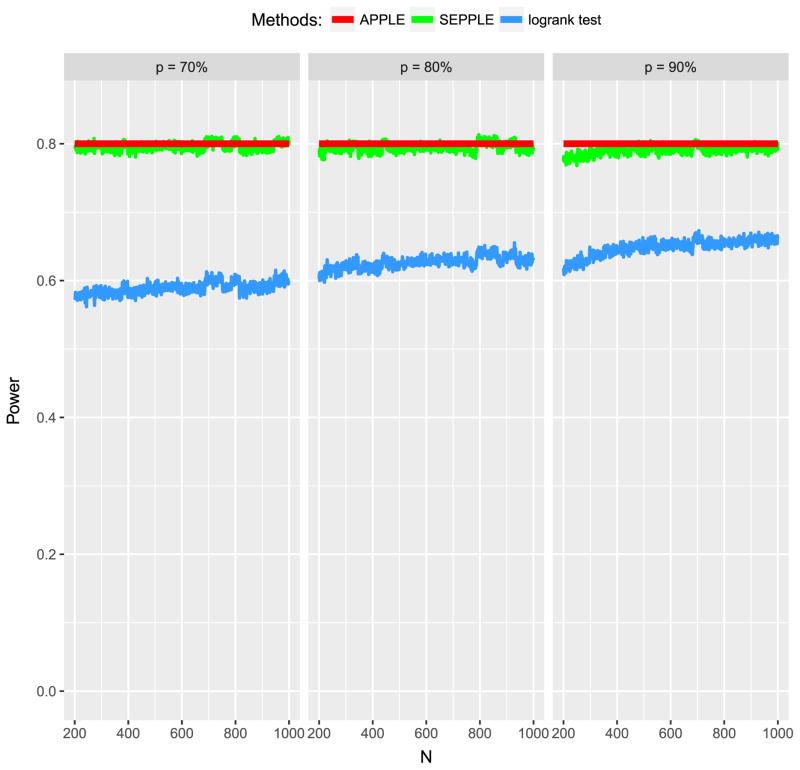
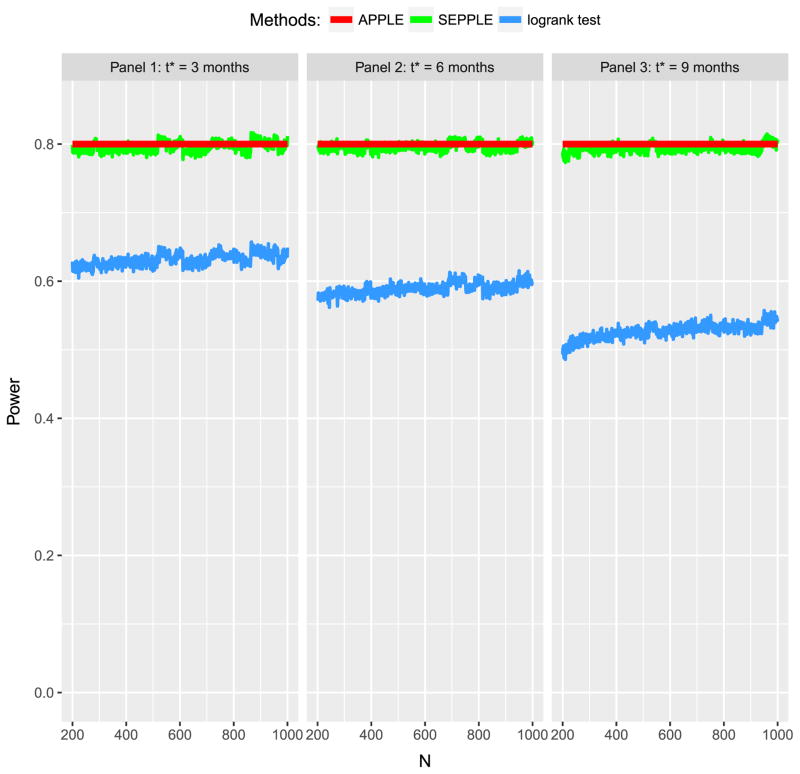
Arming the immune system against cancer has emerged as a powerful tool in oncology during recent years. Instead of poisoning a tumor or destroying it with radiation, therapeutic cancer vaccine, a type of cancer immunotherapy, unleashes the immune system to combat cancer. This indirect mechanism-of-action of vaccines poses the possibility of a delayed onset of clinical effect, which results in a delayed separation of survival curves between the experimental and control groups in therapeutic cancer vaccine trials with time-to-event endpoints. This violates the proportional hazard assumption. As a result, the conventional study design based on the regular log-rank test ignoring the delayed effect would lead to a loss of power. In this paper, we propose two innovative approaches for sample size and power calculation using the piecewise weighted log-rank test to properly and efficiently incorporate the delayed effect into the study design. Both theoretical derivations and empirical studies demonstrate that the proposed methods, accounting for the delayed effect, can reduce sample size dramatically while achieving the target power relative to a standard practice. Copyright © 2016 John Wiley & Sons, Ltd.
Keywords: cancer clinical trial; cancer immunotherapy; delayed treatment effect; non-proportional hazard assumption; sample size and power calculation; therapeutic cancer vaccine.
Copyright © 2016 John Wiley & Sons, Ltd.
Figures
References
-
- Hoos A, Parmiani G, Hege K, Sznol M, Loibner H, Eggermont A, Urba W, Blumenstein B, Sacks N, Keilholz U, Nichol G. A clinical development paradigm for cancer vaccines and related biologics. Journal of Immunotherapy. 2007;30(1):1–15. - PubMed
-
- Blattman JN, Greenberg PD. Cancer immunotherapy: a treatment for the masses. Science. 2004;305(5681):200–205. - PubMed
-
- Melero I, Gaudernack G, Gerritsen W, Huber C, Parmiani G, Scholl S, Thatcher N, Wagstaff J, Zielinski C, Faulkner I, Mellstedt H. Therapeutic vaccines for cancer: an overview of clinical trials. Nature Reviews Clinical Oncology. 2014;11(9):509–524. - PubMed
-
- Sliwkowski MX, Mellman I. Antibody therapeutics in cancer. Science. 2013;341(6151):1192–1198. - PubMed
MeSH terms
Substances
Grants and funding
LinkOut - more resources
Full Text Sources
Other Literature Sources
Medical