


Age-associated physiological and pathological changes at the blood-brain barrier: A review
- PMID: 27837191
- PMCID: PMC5363756
- DOI: 10.1177/0271678X16679420
Age-associated physiological and pathological changes at the blood-brain barrier: A review
Abstract
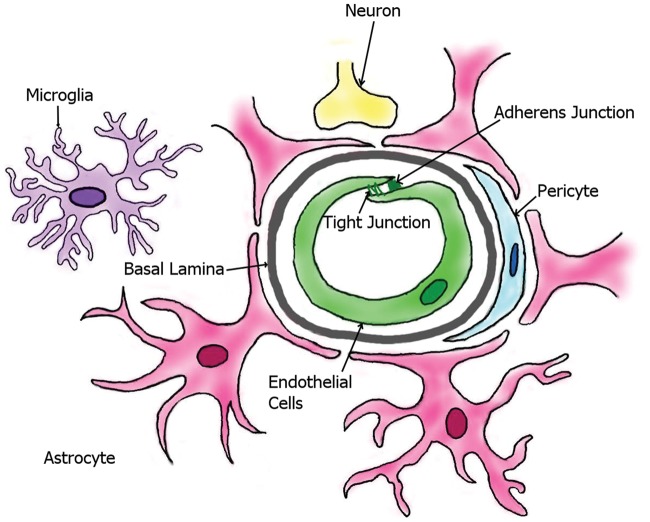
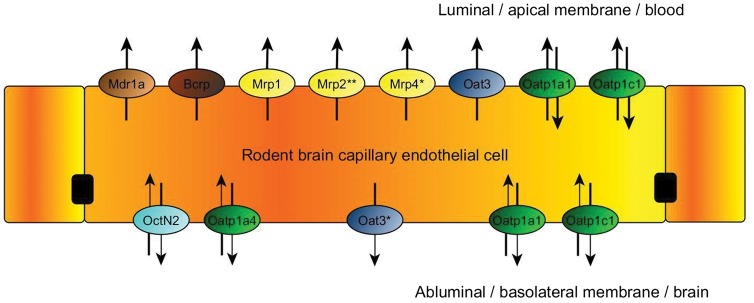
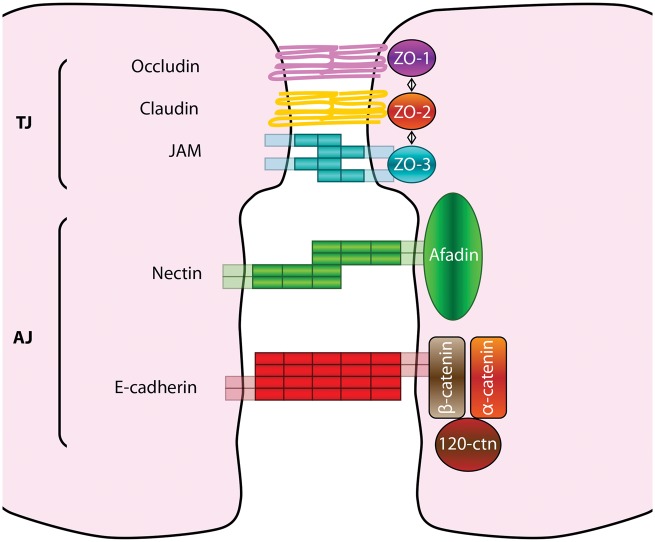
The age-associated decline of the neurological and cognitive functions becomes more and more serious challenge for the developed countries with the increasing number of aged populations. The morphological and biochemical changes in the aging brain are the subjects of many extended research projects worldwide for a long time. However, the crucial role of the blood-brain barrier (BBB) impairment and disruption in the pathological processes in age-associated neurodegenerative disorders received special attention just for a few years. This article gives an overview on the major elements of the blood-brain barrier and its supporting mechanisms and also on their alterations during development, physiological aging process and age-associated neurodegenerative disorders (Alzheimer's disease, multiple sclerosis, Parkinson's disease, pharmacoresistant epilepsy). Besides the morphological alterations of the cellular elements (endothelial cells, astrocytes, pericytes, microglia, neuronal elements) of the BBB and neurovascular unit, the changes of the barrier at molecular level (tight junction proteins, adheres junction proteins, membrane transporters, basal lamina, extracellular matrix) are also summarized. The recognition of new players and initiators of the process of neurodegeneration at the level of the BBB may offer new avenues for novel therapeutic approaches for the treatment of numerous chronic neurodegenerative disorders currently without effective medication.
Keywords: Aging; blood–brain barrier; endothelial cells; neurodegenerative disorders; transport systems.
© The Author(s) 2016.
Figures
References
-
- Rascher G, Wolburg H. The blood-brain barrier in the aging brain. In: Vellis JSd. (ed). Neuroglia in the aging brain, Totowa, NJ: Humana Press Inc., 2002, pp. 305–320. .
-
- Clarke E, O'Malley CD. The human brain and spinal cord. A historical study illustrated by writings from antiquity to the twentieth century, Berkeley: University of California Press, 1968.
-
- Ballabh P, Braun A, Nedergaard M. The blood-brain barrier: an overview: structure, regulation, and clinical implications. Neurobiol Dis 2004; 16: 1–13. - PubMed
Publication types
MeSH terms
LinkOut - more resources
Full Text Sources
Other Literature Sources
Medical
