Case Reports
. 2016 Dec 13;7(50):83657-83668.
doi: 10.18632/oncotarget.13274.

Refractory pituitary adenoma: a novel classification for pituitary tumors

Affiliations
Case Reports

Refractory pituitary adenoma: a novel classification for pituitary tumors

Congxin Dai et al. Oncotarget. .

Abstract

Pituitary adenomas are classified as typical or atypical, invasive or noninvasive, and aggressive or nonaggressive based on pathological features, radiological findings, and clinical behavior. Only pituitary tumors with cerebrospinal and/or systemic metastasis are considered malignant carcinomas. However, some pituitary adenomas with high Ki-67 indexes exhibit aggressive behaviors, such as rapid growth, early and frequent recurrence, and resistance to conventional treatment, even in the absence of metastasis. Novel terminology is needed to define these tumors. Here, we propose the use of the term "refractory pituitary adenoma" to define malignant pituitary tumors exhibiting 1) a high Ki-67 index and rapid growth, 2) early and high frequency of recurrence, 3) resistance to conventional treatments and/or salvage treatment with temozolomide (TMZ), 4) poor prognosis, 5) and a lack of cerebrospinal or systemic metastases. To illustrate the utility of this refractory pituitary adenoma classification and the difficulty in managing disease in these patients, we examined twelve clinical cases. Correctly identifying refractory pituitary adenomas is crucial for improving patient prognoses. Early identification might encourage the early use of aggressive therapeutic strategies to prevent or delay recurrence.

Keywords: aggressive; pituitary adenomas; recurrence; refractory; resistance.


Conflict of interest statement

CONFLICTS OF INTEREST

The authors have no conflicts of interest to disclose.

Figures
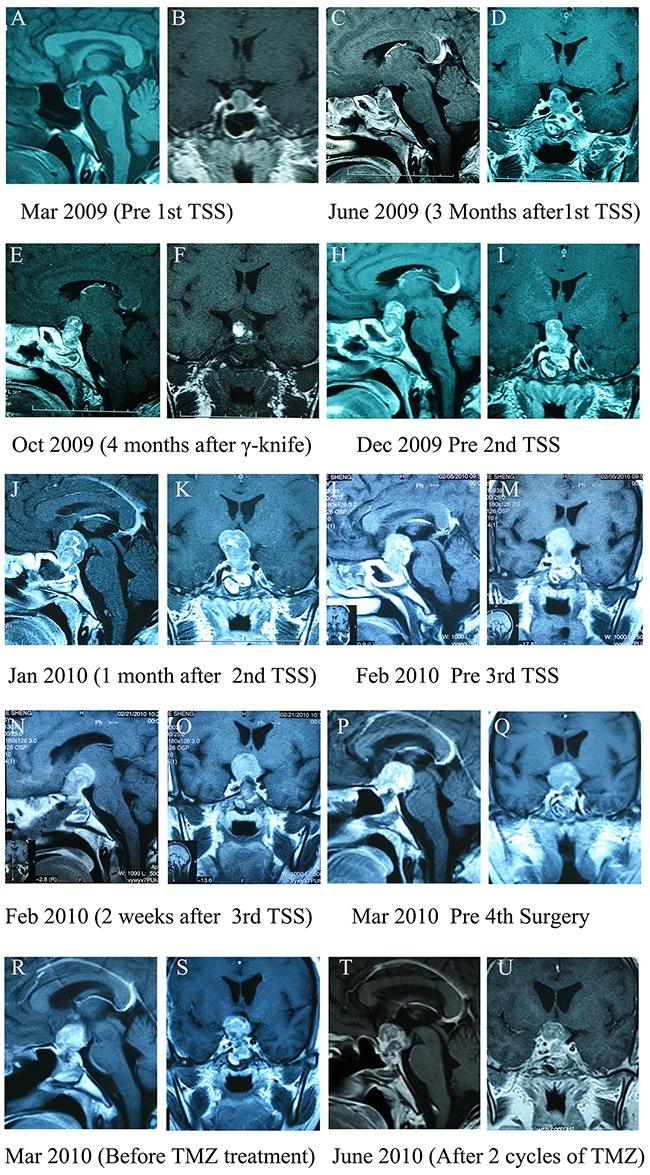
Figure 1
Figure 1. Pituitary MRI images for the case one patient
A and B. Pre-operative T1 weighted images. C and D. 3 months after the first transsphenoidal surgery (TSS). E and F. 4 months after gamma knife surgery (GKS). H and I. 6 months after GKS. J and K. 1 month after the second TSS. L and M. 2 months after the second TSS. N and O. 2 weeks after the third surgery. P and Q. 1 month after the third surgery. R and S. 2 weeks after the fourth operation, before TMZ treatment. T and U. After two cycles of TMZ therapy.
Figure 2
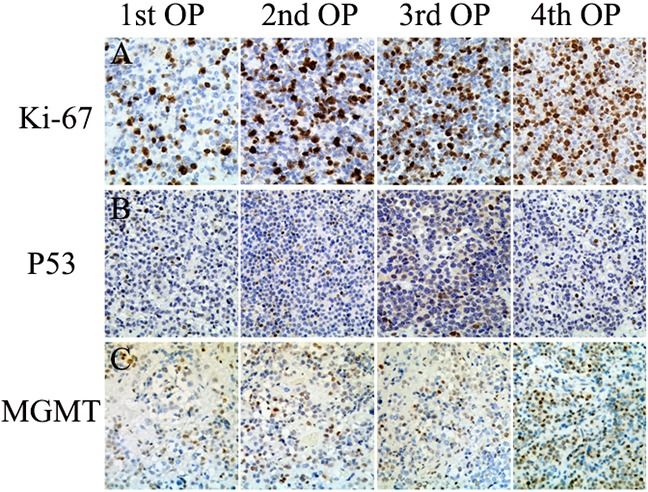
Figure 2. Histopathological findings in resected pituitary tumors from the case one patient
A. Immunohistochemistry for Ki-67 nuclear labeling demonstrating that the Ki-67 index increased as operation frequency increased (20%, 30%, 40%, and 50%) (20×). B. Strong nuclear staining for p53 was observed in some tumor cells(20×). C. O6 methylguanine-DNA methyltransferase (MGMT) immunohistochemistry demonstrating that the proportion of MGMT-positive tumor cells in resected tissue increased as operation frequency increased (20%, 25%, 30%, 50%)(20×).
Figure 3
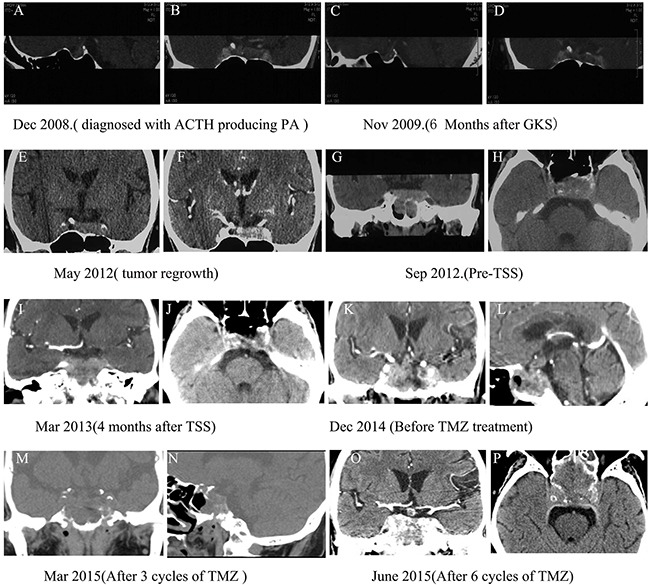
Figure 3. Computed Tomographic (CT) images of pituitary tumors in the case two patient
A and B. CT images at initial diagnosis. C and D. Six months after GKS. E and F. CT scan from May 2012 showing significant tumor progression. G and H. CT scans from September 2012 showing significantly enlarged pituitary masses that invaded the sphenoid and cavernous sinuses. I and J. CT scan 4 months after TSS showing residual tumor regrowth. K and L. Before TMZ administration. M and N. After 3 cycles of TMZ. O and P. After 6 cycles of TMZ.
Figure 4
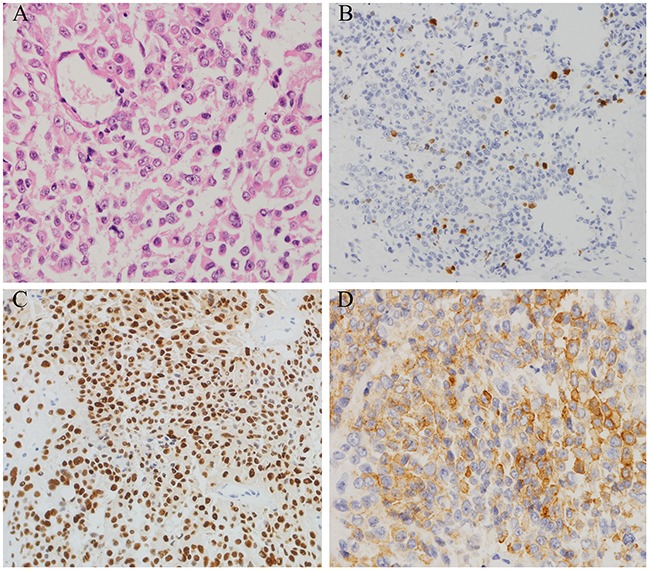
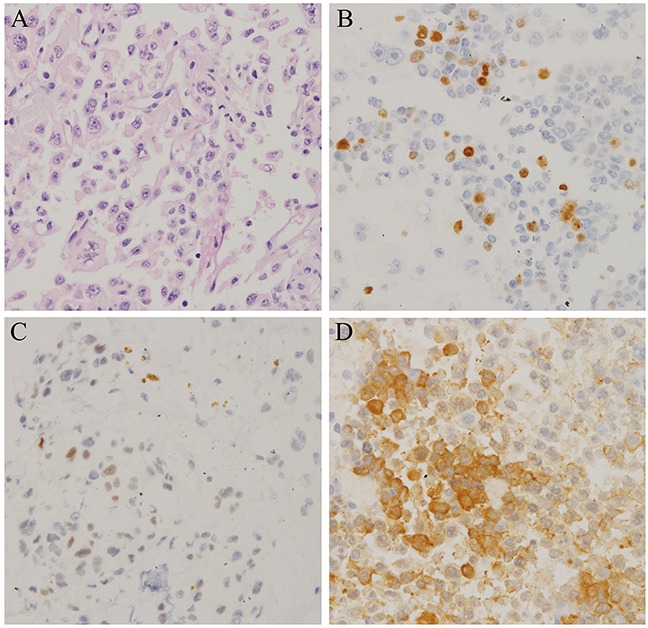
Figure 4. Histopathological findings in resected pituitary tumors from the case two patient
A. Haematoxylin and eosin (H&E) staining of pituitary tumor (40×); B. The Ki-67 index was greater than 5% (40×); C. Diffuse and strong nuclear p53 staining (arrow) was observed in 90% of tumor cells (40×); D. 90% of tumor cells were positive for ACTH (40×).
Figure 5
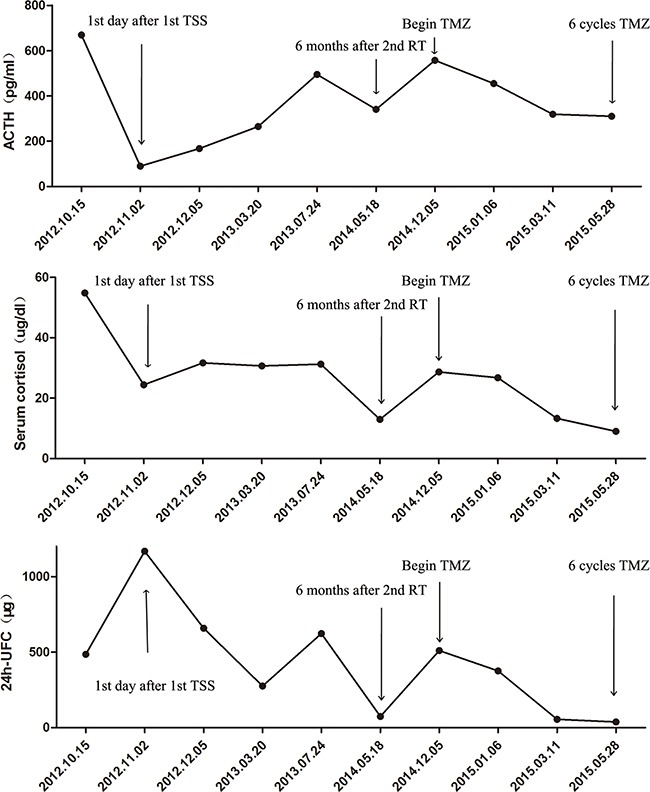
Figure 5. Graph depicting changes in ACTH, serum cortisol, and 24h-UFC (urine free cortisol) levels after various treatments and following treatment with temozolomide (TMZ) in the case two patient
TSS: transsphenoidal surgery; RT: radiotherapy.
Figure 6
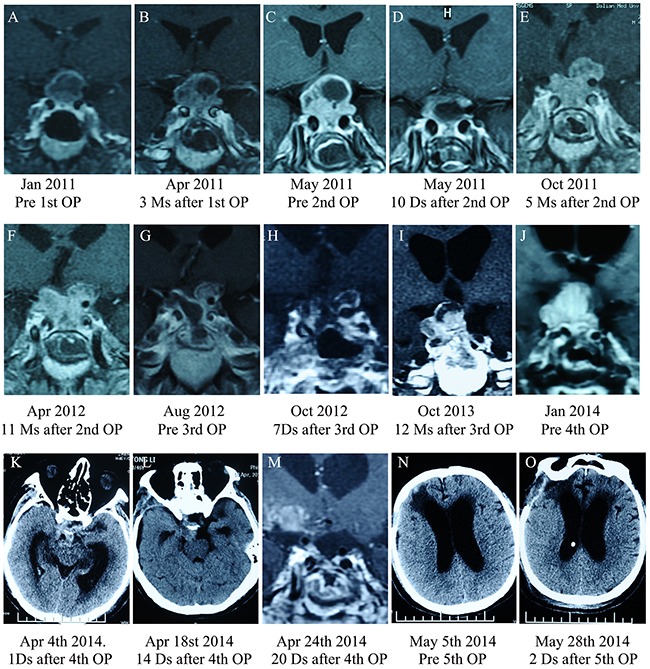
Figure 6. Pituitary MRI images for the case three patient
A. MRI images at initial diagnosis. B. 3 months after the first operation. C. Pre-operative MRI image prior to the second TSS. D. 10 days after the second operation. E. 5 months after the second operation. F. 11 months after the second operation. G. Before the third operation. H. 7 days after the third operation. I. 1 year after the third operation. J. Before the fourth operation. K, L and M. CT scan after the fourth operation showing subtotal tumor removal. N. In May 2014, the patient presented with hydrocephalus, and a ventriculoperitoneal shunt was implanted; hydrocephalus subsequently improved O.
Figure 7
Figure 7. Histopathological findings in resected pituitary tumors from the case three patient
A. Haematoxylin and eosin (H&E) staining of pituitary adenomas(40×). B. The Ki-67 index was greater than 10% (40×). C. Immunohistochemistry for p53 showing very few immunopositive cells (3 %) (40×). D. The proportion of ACTH-positive tumor cells in resected tissue increased as operation frequency increased (40×).

References

    1. Asa SL, Ezzat S. The cytogenesis and pathogenesis of pituitary adenomas. Endocr Rev. 1998;19:798–827. - PubMed
    1. Hansen TM, Batra S, Lim M, Gallia GL, Burger PC, Salvatori R, Wand G, Quinones-Hinojosa A, Kleinberg L, Redmond KJ. Invasive adenoma and pituitary carcinoma: a SEER database analysis. Neurosurg Rev. 2014;37:279–286. - PMC - PubMed
    1. Meij BP, Lopes MB, Ellegala DB, Alden TD, Laws EJ. The long-term significance of microscopic dural invasion in 354 patients with pituitary adenomas treated with transsphenoidal surgery. J Neurosurg. 2002;96:195–208. - PubMed
    1. Kontogeorgos G. Innovations and controversies in the WHO classification of pituitary adenomas. Acta Neuropathol. 2006;111:73–75. - PubMed
    1. Heaney A. Management of aggressive pituitary adenomas and pituitary carcinomas. J Neuro-Oncol. 2014;117:459–468. - PubMed

Publication types

MeSH terms