


Action mechanism and cardiovascular effect of anthocyanins: a systematic review of animal and human studies
- PMID: 27846846
- PMCID: PMC5111351
- DOI: 10.1186/s12967-016-1076-5
Action mechanism and cardiovascular effect of anthocyanins: a systematic review of animal and human studies
Abstract
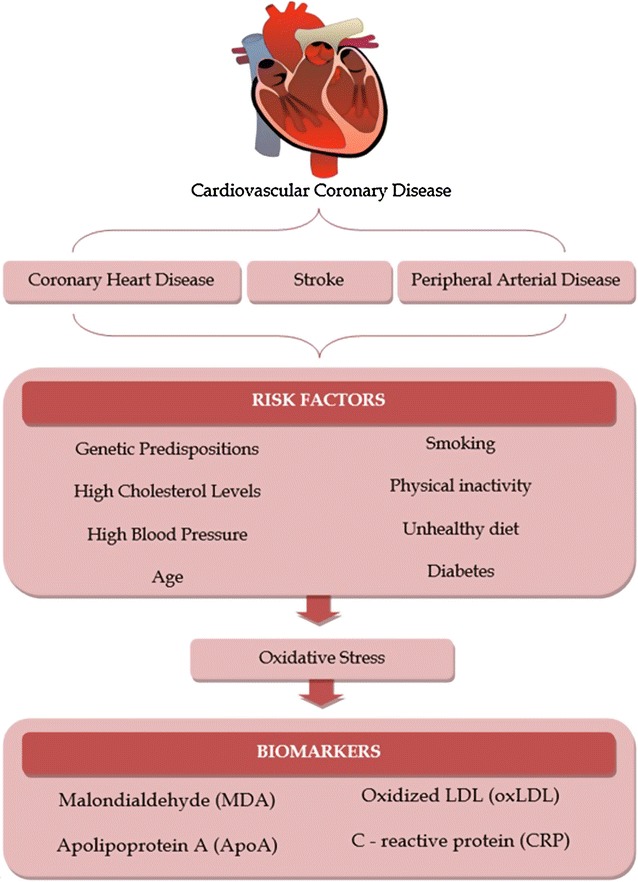
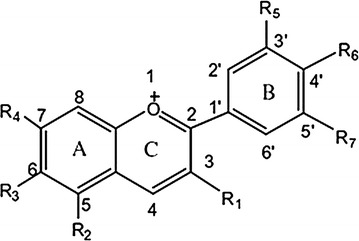
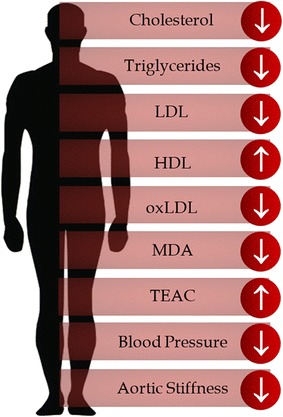
Cardiovascular diseases (CVD) are an important cause of death worldwide. Anthocyanins are a subgroup of flavonoids found in berries, flowers, fruits and leaves. In epidemiological and clinical studies, these polyphenols have been associated with improved cardiovascular risk profiles as well as decreased comorbidities. Human intervention studies using berries, vegetables, parts of plants and cereals (either fresh or as juice) or purified anthocyanin-rich extracts have demonstrated significant improvements in low density lipoproteins oxidation, lipid peroxidation, total plasma antioxidant capacity, and dyslipidemia as well as reduced levels of CVD molecular biomarkers. This review discusses the use of anthocyanins in animal models and their applications in human medicine, as dietary supplements or as new potent drugs against cardiovascular disease.
Keywords: Animal models; Anthocyanins; Cardiovascular disease; Human study; Oxidative stress; Polyphenols.
Figures
References
-
- WHO . Global status report on noncommunicable diseases 2014. Geneva: World Health Organization; 2014. p. 176.
-
- Castaneda-Ovando A, de Lourdes Pacheco-Hernández M, Páez-Hernández ME, Rodríguez JA, Galán-Vidal CA. Chemical studies of anthocyanins: a review. Food Chem. 2009;113:859–871. doi: 10.1016/j.foodchem.2008.09.001. - DOI
Publication types
MeSH terms
Substances
LinkOut - more resources
Full Text Sources
Other Literature Sources
Medical
