. 2016 Nov 16;8(365):365ra157.
doi: 10.1126/scitranslmed.aag2374.

Oral, ultra-long-lasting drug delivery: Application toward malaria elimination goals

Affiliations

Oral, ultra-long-lasting drug delivery: Application toward malaria elimination goals

Andrew M Bellinger et al. Sci Transl Med. .

Abstract

Efforts at elimination of scourges, such as malaria, are limited by the logistic challenges of reaching large rural populations and ensuring patient adherence to adequate pharmacologic treatment. We have developed an oral, ultra-long-acting capsule that dissolves in the stomach and deploys a star-shaped dosage form that releases drug while assuming a geometry that prevents passage through the pylorus yet allows passage of food, enabling prolonged gastric residence. This gastric-resident, drug delivery dosage form releases small-molecule drugs for days to weeks and potentially longer. Upon dissolution of the macrostructure, the components can safely pass through the gastrointestinal tract. Clinical, radiographic, and endoscopic evaluation of a swine large-animal model that received these dosage forms showed no evidence of gastrointestinal obstruction or mucosal injury. We generated long-acting formulations for controlled release of ivermectin, a drug that targets malaria-transmitting mosquitoes, in the gastric environment and incorporated these into our dosage form, which then delivered a sustained therapeutic dose of ivermectin for up to 14 days in our swine model. Further, by using mathematical models of malaria transmission that incorporate the lethal effect of ivermectin against malaria-transmitting mosquitoes, we demonstrated that this system will boost the efficacy of mass drug administration toward malaria elimination goals. Encapsulated, gastric-resident dosage forms for ultra-long-acting drug delivery have the potential to revolutionize treatment options for malaria and other diseases that affect large populations around the globe for which treatment adherence is essential for efficacy.


Figures

Fig. 1
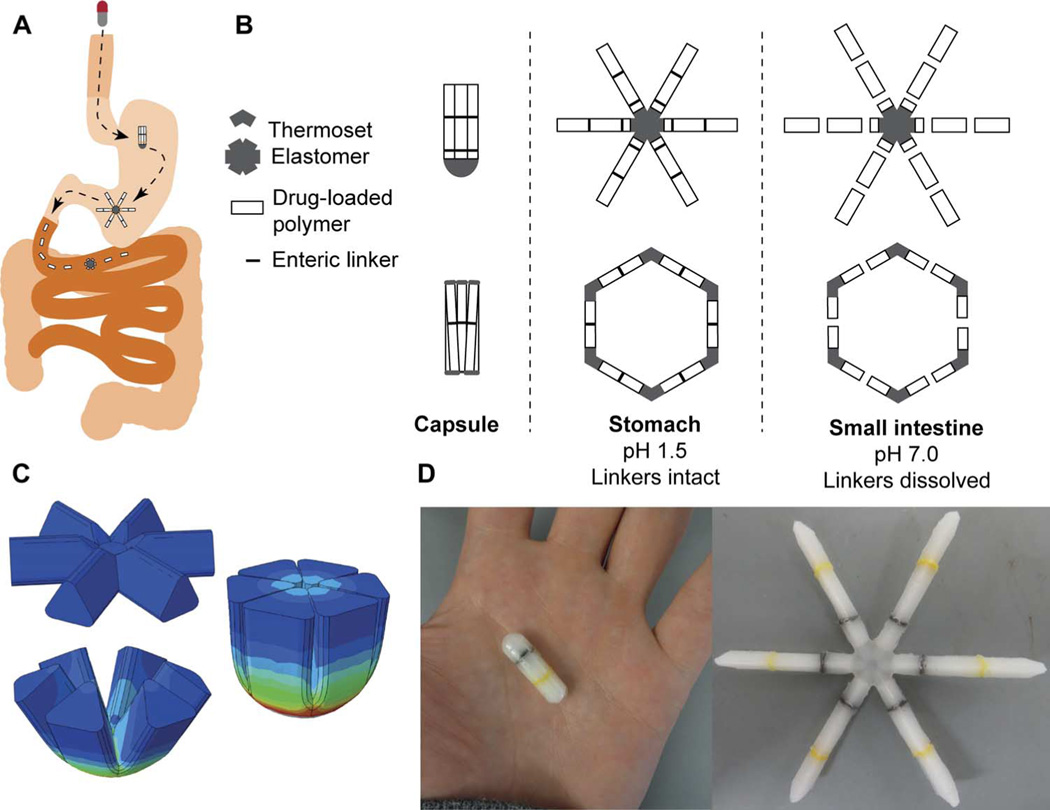
Fig. 1. Design of a modular gastric residence vehicle
(A) Schematic of deployment of gastric residence drug delivery dosage form via ingestible capsule. (B) Two families of geometric arrangements of flexible and rigid elements able to fit into a capsule and method of dissolution via fracture at designed failure points in presence of intestinal pH. Schematic enteric linkers, such as those evaluated in vitro (see fig. S3), are represented by black lines. (C) Stress distribution of the flexible element when it is folded into the capsule, generated with the finite element method. (D) Representative dosage form after assembly and loading into a 00el gelatin capsule. Linkers, such as those evaluated in vitro in fig. S3, are yellow and black.
Fig. 2
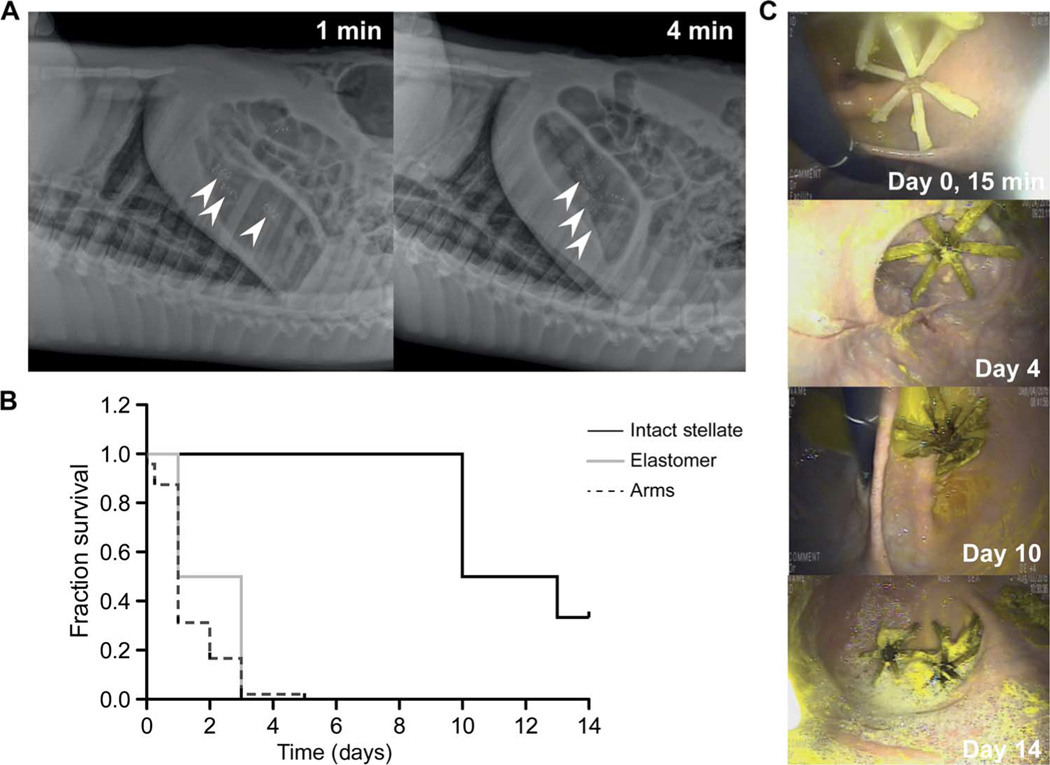
Fig. 2. In vivo evaluation of gastric residence dosage forms
(A) Representative lateral abdominal radiographs obtained immediately after administration to a pig of gelatin capsules containing the star-shaped dosage forms demonstrating rapid deployment. Arrowheads, location of dosage forms. (B) Survival analysis of 00el capsule containing the stellate dosage forms, individual arm pieces, and elastomer centers in the gastric cavity after administration on separate occasions to pigs [n = 6 pigs for stellate dosage forms, n = 4 for elastomer centers of the dosage forms, and n = 4 pigs for fragmented arms of the dosage forms (48 arms)]. P = 0.006 by Mantel-Cox log-rank test for significance of difference among survival curves. (C) Representative endoscopic images from days 0, 4, 10, and 14 after dosage form administration to the swine large-animal model. Intact dosage forms reside in various locations in the gastric cavity, are mobile, and do not show mucoadhesion or obstruction of passage of solid food or liquids.
Fig. 3
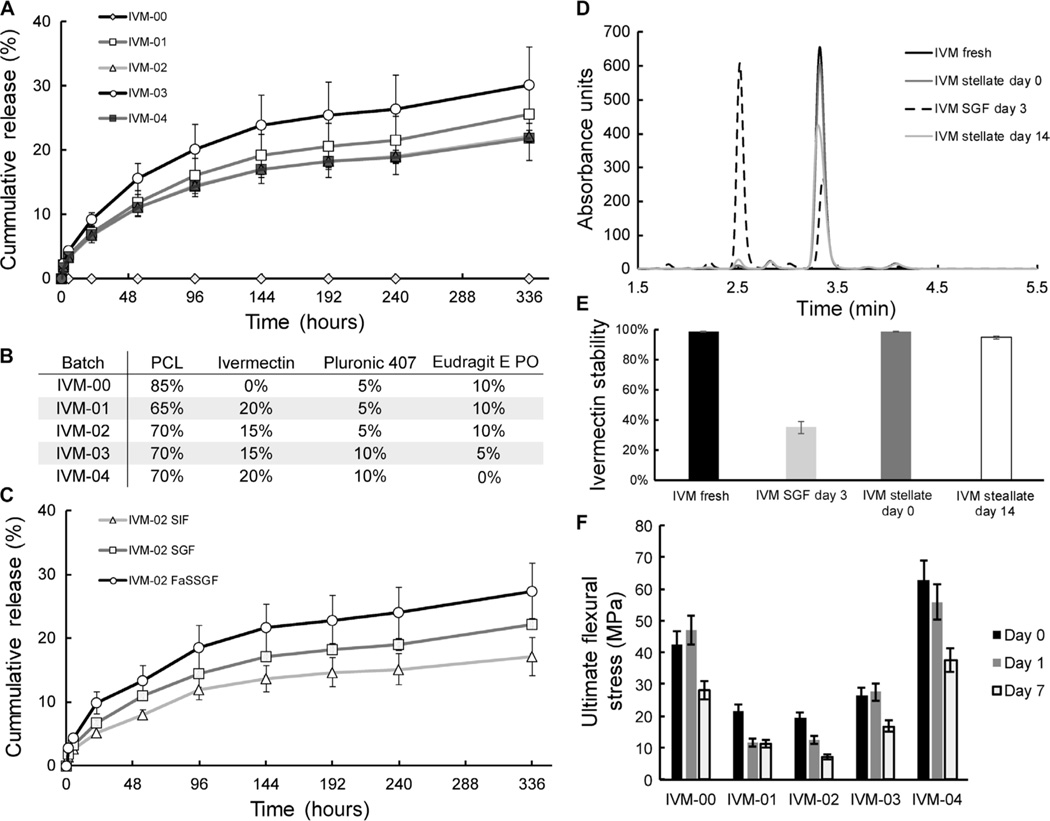
Fig. 3. In vitro release and stability of ivermectin
(A) In vitro release of ivermectin (IVM) from drug-loaded stellate dosage forms with different formulations in SGF. (B) Summary of formulations used for in vitro release and mechanical testing, as in (A) and (F), respectively. (C) In vitro release of ivermectin in SGF, SIF, and fasted-state SGF (FaSSGF). (D) Representative high-performance liquid chromatography (HPLC) curves of ivermectin degradation after 3 days in SGF and of ivermectin stabilized in PCL and incubated in SGF for 0 and 14 days. (E) Ivermectin stability when homogenously dispersed in a PCL matrix versus in a solution after incubation in SGF (an acidic environment) over 14 days. (F) Flexural strength of drug-polymer blends after incubation in SGF for days 0, 1, and 7. Error bars represent SD for n = 3 samples in each group.
Fig. 4
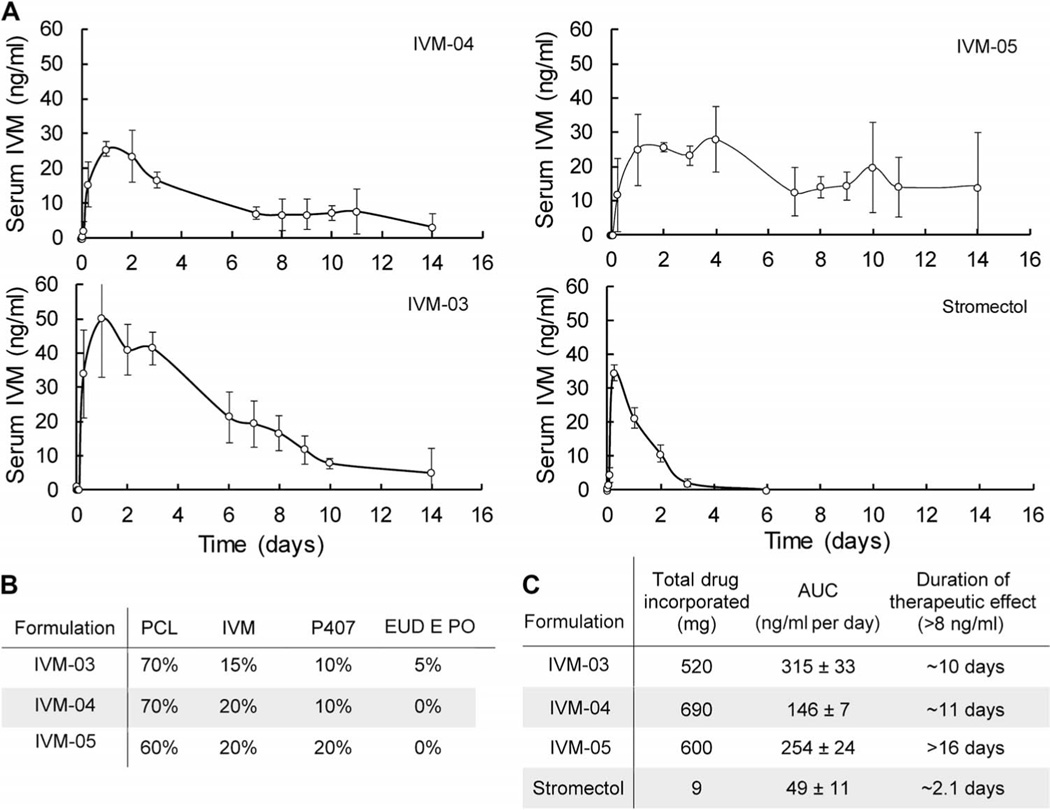
Fig. 4. In vivo release of ivermectin
(A) Ivermectin serum concentration over 14 days after administration of various formulations in swine. (B) Composition of the formulations used for in vivo analysis. EUD EPO, Eudragit EPO. (C) Duration of therapeutic effect of long-acting ivermectin formulations compared to stromectol. Error bars represent SD for n = 3 samples in each group. AUC, area under the curve.
Fig. 5
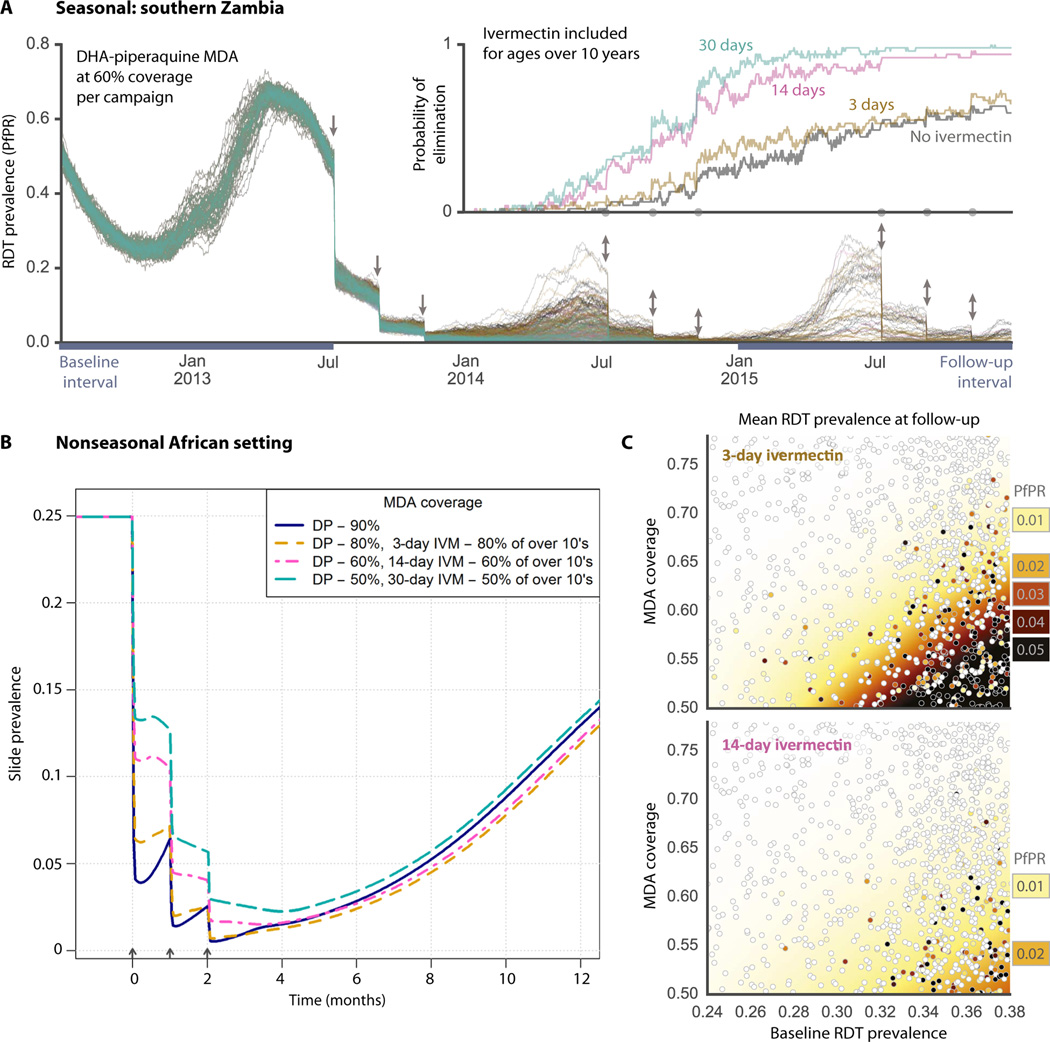
Fig. 5. Mathematical malaria transmission model
(A) P. falciparum parasite rate (PfPR) as measured using rapid diagnostic test (RDT) for multiple stochastic realizations of MDA scenarios using the EMOD (epidemiological modeling) model (39, 40) in a high-transmission southern Zambian setting. Arrows indicate the timing of 60% coverage campaigns with DP (all ages) and ivermectin (people over 10 years of age), and color indicates the duration of ivermectin efficacy: gray (no ivermectin), brown (3 days), pink (14 days), and green (30 days). Aligned on the same time axis, the inset shows the fraction of simulations with no remaining infections for each scenario. (B) Fraction of population positive by slide microscopy for MDA scenarios with DP and ivermectin using the model of Griffin et al. (48) in a nonseasonal African setting. Successively lower campaign coverage is traded off against higher ivermectin durations: 90% coverage (blue), 80% coverage with 3-day ivermectin (yellow), 60% coverage with 14-day ivermectin (pink), 50% coverage with 30-day ivermectin (green). (C) Sensitivity analysis showing the prevalence of infection across a range of initial prevalence and campaign coverage for the EMOD model after 2 years of intervention. Each marker represents a single stochastic simulation, and shaded areas represent interpolated mean values estimated by kernel regression. The baseline and follow-up prevalence values (PfPR) are taken from the intervals indicated in (A).

Comment in

References

    1. Singh BN, Kim KH. Floating drug delivery systems: An approach to oral controlled drug delivery via gastric retention. J. Controlled Release. 2000;63:235–259. - PubMed
    1. Berner B, Cowles VE. Case studies in swelling polymeric gastric retentive tablets. Expert Opin. Drug Delivery. 2006;3:541–548. - PubMed
    1. El-said IA, Aboelwafa AA, Khalil RM, ElGazayerly ON. Baclofen novel gastroretentive extended release gellan gum superporous hydrogel hybrid system: In vitro and in vivo evaluation. Drug Delivery. 2016;23:101–112. - PubMed
    1. das Neves J, Bahia MF, Amiji MM, Sarmento B. Mucoadhesive nanomedicines: Characterization and modulation of mucoadhesion at the nanoscale. Expert Opin. Drug Delivery. 2011;8:1085–1104. - PubMed
    1. Cargill R, Caldwell LJ, Engle K, Fix JA, Porter PA, Gardner CR. Controlled gastric emptying. 1. Effects of physical properties on gastric residence times of nondisintegrating geometric shapes in beagle dogs. Pharm. Res. 1988;5:533–536. - PubMed

Publication types