. 2016 Nov 22:7:13473.
doi: 10.1038/ncomms13473.

Introduction of neutralizing immunogenicity index to the rational design of MERS coronavirus subunit vaccines

Affiliations

Introduction of neutralizing immunogenicity index to the rational design of MERS coronavirus subunit vaccines

Lanying Du et al. Nat Commun. .

Abstract

Viral subunit vaccines often contain immunodominant non-neutralizing epitopes that divert host immune responses. These epitopes should be eliminated in vaccine design, but there is no reliable method for evaluating an epitope's capacity to elicit neutralizing immune responses. Here we introduce a new concept 'neutralizing immunogenicity index' (NII) to evaluate an epitope's neutralizing immunogenicity. To determine the NII, we mask the epitope with a glycan probe and then assess the epitope's contribution to the vaccine's overall neutralizing immunogenicity. As proof-of-concept, we measure the NII for different epitopes on an immunogen comprised of the receptor-binding domain from MERS coronavirus (MERS-CoV). Further, we design a variant form of this vaccine by masking an epitope that has a negative NII score. This engineered vaccine demonstrates significantly enhanced efficacy in protecting transgenic mice from lethal MERS-CoV challenge. Our study may guide the rational design of highly effective subunit vaccines to combat MERS-CoV and other life-threatening viruses.


Figures

Figure 1
Figure 1. Introduction of glycan probes to MERS-CoV RBD vaccine.
(a) Crystal structure of MERS-CoV RBD (PDB access code: 4L3N). The core structure is coloured in cyan, and the receptor-binding motif (RBM) in red. Four residues are shown where an N-linked glycan probe was introduced. (b) Structure of MERS-CoV RBD complexed with human DPP4 (PDB access code: 4KR0), showing the role of the four epitopes in the binding of the RBD to DPP4. (c) AlphaScreen assay was performed to detect the binding between recombinant MERS-CoV RBDs and recombinant human DPP4. PBS buffer was used as a negative control. Binding affinity was characterized as AlphaScreen counts. (d) Fluorescence-activated cell sorting (FACS) was carried out to detect the binding between recombinant MERS-CoV RBDs and cell-surface-expressed human DPP4. Human IgG protein was used as a negative control. Binding affinity was characterized as median fluorescence intensity. Error bars indicate s.e.m. ***: P<0.001.
Figure 2
Figure 2. Role of engineered glycan probes in RBD binding to neutralizing mAbs.
(ad) ELISA was carried out to detect the binding between recombinant MERS-CoV RBD fragments and neutralizing mAbs. The binding affinity was characterized as the ELISA signal at 450 nm. Each of the mAbs was serially diluted before being used in ELISA. Error bars indicate s.e.m. ***: P<0.001. (e) Structure of MERS-CoV RBD, showing the identified binding site of the neutralizing mAbs on the RBD.
Figure 3
Figure 3. Measurement of neutralizing immunogenicity of RBD epitopes.
(a) Measurement of neutralizing antibody titres of mouse sera induced by wild type (WT) or glycosylation mutant RBD. The neutralizing antibody titre of RBD-induced mouse sera was characterized by its capability to inhibit MERS-CoV-induced cytopathic effect (CPE) in cell culture. To this end, serially diluted mouse sera were added to MERS-CoV-infected cells, and the neutralizing antibody titre of the sera was expressed as the reciprocal of the highest dilution of sera that completely inhibited MERS-CoV-induced CPE in at least 50% of the wells (NT50) (Supplementary Table 1). PBS buffer was used as a negative control. Error bars indicate s.e.m. *: P<0.05. (b) Calculation of NII for each epitope. NT50-wt: NT50 for wild type RBD; NT50-probe: NT50 for RBD containing a glycan probe on one of the epitopes. (c) Mapping the calculated NIIs on the three-dimensional structure of MERS-CoV RBD.
Figure 4
Figure 4. Masking negative epitope on the core led to immune refocusing on RBM.
Competition assay was performed between neutralizing mAbs and glycosylation-mutant-RBD-induced mouse serum for the binding of wild type RBD. Specifically, ELISA was carried out between a neutralizing mAb, hMS-1 (a) or m336-Fab (b), and MERS-CoV RBD in the presence of mouse serum induced by the 579-glycosylated MERS-CoV RBD or mouse serum induced by the wild type MERS-CoV RBD. Mouse serum induced by PBS buffer was used as a negative control. Each of the sera was serially diluted before being used in the competition assay. For each serum dilution, the % reduction in mAb-RBD binding was computed for immune-sera present relative to immune-sera absent conditions. Error bars indicate s.e.m. ***: P<0.001.
Figure 5
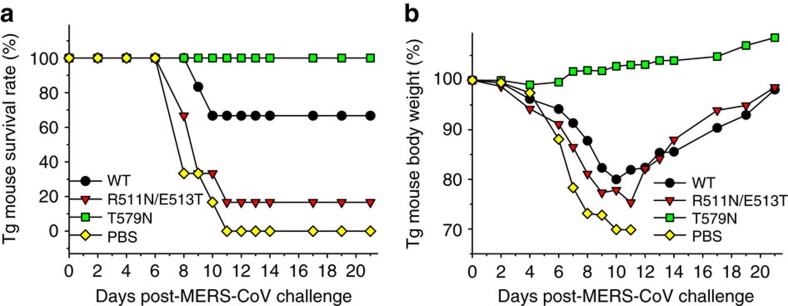
Figure 5. Rational design of MERS-CoV RBD vaccine with enhanced efficacy.
Mice were immunized with two engineered RBD fragments containing a glycan probe at residue 511 (R511N/E513T) and residue 579 (T579N), respectively. Wild type RBD and PBS buffer were used as controls. Immunized mice were challenged with MERS-CoV (EMC-2012 strain), and observed for survival rate (a) and weight changes (b).

References

    1. Kwong P. D., Mascola J. R. & Nabel G. J. Rational design of vaccines to elicit broadly neutralizing antibodies to HIV-1. Cold Spring Harb. Perspect. Med. 1, a007278 (2011). - PMC - PubMed
    1. Dormitzer P. R., Ulmer J. B. & Rappuoli R. Structure-based antigen design: a strategy for next generation vaccines. Trends Biotechnol. 26, 659–667 (2008). - PMC - PubMed
    1. Kulp D. W. & Schief W. R. Advances in structure-based vaccine design. Curr. Opin. Virol. 3, 322–331 (2013). - PMC - PubMed
    1. Dormitzer P. R., Grandi G. & Rappuoli R. Structural vaccinology starts to deliver. Nat. Rev. Microbiol. 10, 807–813 (2012). - PubMed
    1. Du L. et al. The spike protein of SARS-CoV–a target for vaccine and therapeutic development. Nat. Rev. Microbiol. 7, 226–236 (2009). - PMC - PubMed

Publication types

MeSH terms