


Specialized Rehabilitation Programs for Children and Adolescents with Severe Disabling Chronic Pain: Indications, Treatment and Outcomes
- PMID: 27879631
- PMCID: PMC5184808
- DOI: 10.3390/children3040033
Specialized Rehabilitation Programs for Children and Adolescents with Severe Disabling Chronic Pain: Indications, Treatment and Outcomes
Abstract
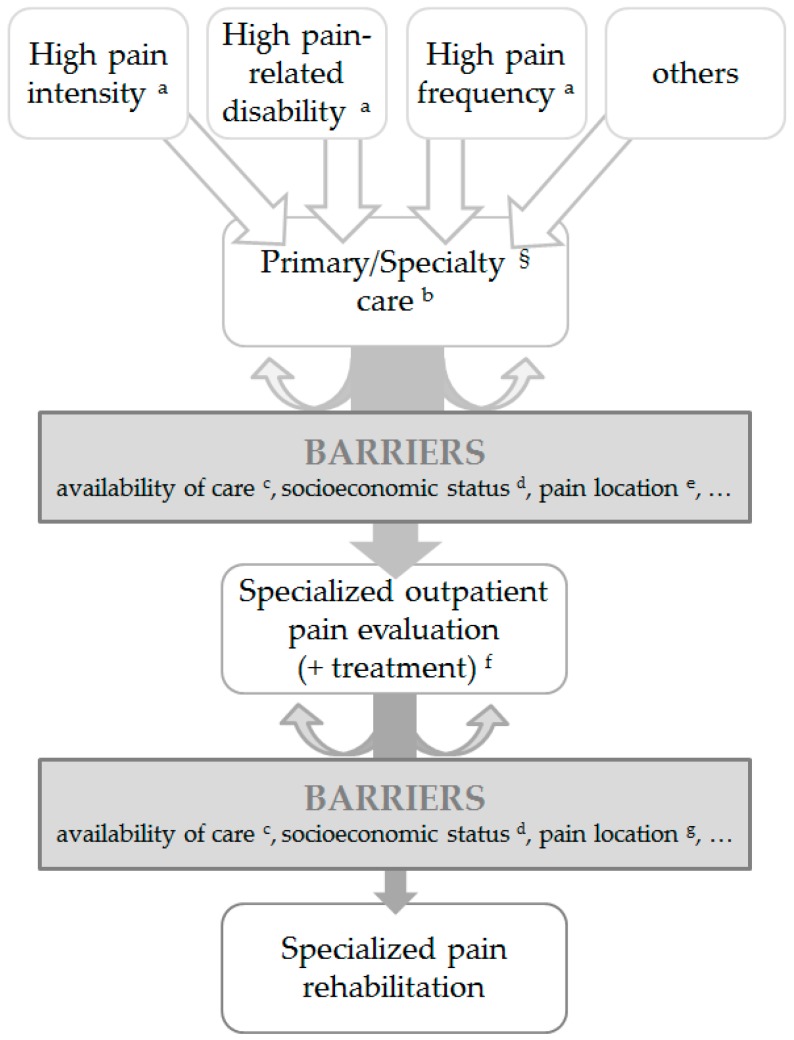
Children and adolescents with highly disabling chronic pain of high intensity and frequency are admitted to specialized pain rehabilitation programs. Some barriers to obtaining this specialized care include a lack of availability of treatment centers, a perceived social stigma and individual barriers such as socioeconomic status. Specialized rehabilitation programs for severe disabling chronic pain worldwide have similarities regarding admission criteria, structure and therapeutic orientation. They differ, however, regarding their exclusion criteria and program descriptions. The short- and long-term effectiveness of some rehabilitation programs is well documented. All countries should promote the establishment of future pediatric pain centers to improve the health care of children and adolescents suffering from severe chronic pain. Standardized reporting guidelines should be developed to describe treatments and outcomes to enable comparability across treatment centers.
Keywords: chronic pain; effectiveness; indication; pediatric; rehabilitation programs; specialized pain treatment.
Conflict of interest statement
The authors declare no conflict of interest.
Figures
References
-
- Zernikow B., Wager J., Hechler T., Hasan C., Rohr U., Dobe M., Meyer A., Hübner-Möhler B., Wamsler C., Blankenburg M. Characteristics of highly impaired children with severe chronic pain: A 5-year retrospective study on 2249 pediatric pain patients. BMC Pediatr. 2012;12:54. doi: 10.1186/1471-2431-12-54. - DOI - PMC - PubMed
Publication types
LinkOut - more resources
Full Text Sources
Other Literature Sources
