


Ischaemic stroke and Clostridium septicum sepsis and meningitis in a patient with occult colon carcinoma - a case report and review of the literature
- PMID: 27881097
- PMCID: PMC5121982
- DOI: 10.1186/s12883-016-0755-4
Ischaemic stroke and Clostridium septicum sepsis and meningitis in a patient with occult colon carcinoma - a case report and review of the literature
Abstract
Background: Clostridium septicum is a rare cause of meningitis and brain abscess in children and adults. Gas production by the pathogen can lead to pneumocephalus and the overall mortality rate of Clostridium septicum CNS infection is as high as 74%. The most common entry site of the pathogen is the gastrointestinal tract.
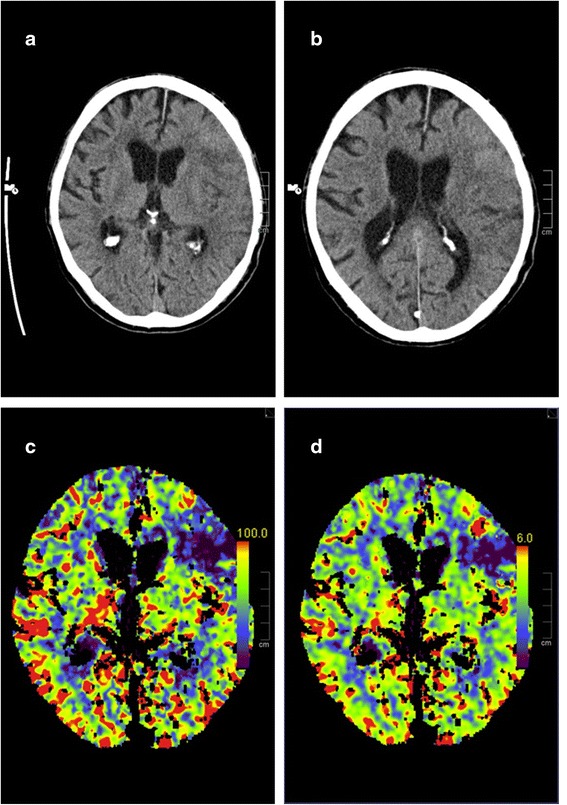
Case presentation: We describe a 74-year-old man who presented with a left-sided cerebral infarction in the middle cerebral artery territory. In addition the patient showed signs of Systemic Inflammatory Response Syndrome and Disseminated Intravascular Coagulation. Examination of blood cultures and cerebrospinal fluid led to the diagnosis of sepsis and meningitis caused by Clostridium septicum. Despite appropriate antibiotic therapy the condition of the patient deteriorated rapidly and he died on day 2 after admission. Autopsy revealed a previously unknown adenocarcinoma of the colon ascendens as entry site of the pathogen.
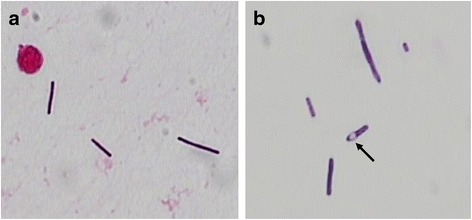
Conclusion: Clostridium septicum should be considered as potential pathogen in patients with sepsis and meningitis. Gram stain morphology in conjunction with severe sepsis can rapidly point into the direction of this pathogen. CNS infections manifest either as meningoencephalitis/cerebritis or as brain abscess. Entry site of the pathogen is almost uniquely the gastrointestinal tract. In adults more than 50% suffer from colorectal carcinoma, therefore survivors of Clostridium septicum infections should be examined for underlying occult colorectal malignancy.
Keywords: Bacteremia; CNS infection; Cerebritis; DIC; Ischemic stroke; Meningoencephalitis; Pneumocephalus; Sepsis.
Figures
References
-
- Stevens DL, Bryant AE, Berger A, von Eichel-Streiber C. Clostridium. In: Versalovic J CK, Jorgensen JH, Funke G, Landry ML, Warnock DW. Manual of Clinical Microbiology. Washington: ASM press; 2011. p.834-57.
Publication types
MeSH terms
LinkOut - more resources
Full Text Sources
Other Literature Sources
Medical
