. 2016 Nov 17;1(19):e87062.
doi: 10.1172/jci.insight.87062.

Institutional implementation of clinical tumor profiling on an unselected cancer population

Affiliations

Institutional implementation of clinical tumor profiling on an unselected cancer population

Lynette M Sholl et al. JCI Insight. .

Abstract

BACKGROUND. Comprehensive genomic profiling of a patient's cancer can be used to diagnose, monitor, and recommend treatment. Clinical implementation of tumor profiling in an enterprise-wide, unselected cancer patient population has yet to be reported. METHODS. We deployed a hybrid-capture and massively parallel sequencing assay (OncoPanel) for all adult and pediatric patients at our combined cancer centers. Results were categorized by pathologists based on actionability. We report the results for the first 3,727 patients tested. RESULTS. Our cohort consists of cancer patients unrestricted by disease site or stage. Across all consented patients, half had sufficient and available (>20% tumor) material for profiling; once specimens were received in the laboratory for pathology review, 73% were scored as adequate for genomic testing. When sufficient DNA was obtained, OncoPanel yielded a result in 96% of cases. 73% of patients harbored an actionable or informative alteration; only 19% of these represented a current standard of care for therapeutic stratification. The findings recapitulate those of previous studies of common cancers but also identify alterations, including in AXL and EGFR, associated with response to targeted therapies. In rare cancers, potentially actionable alterations suggest the utility of a "cancer-agnostic" approach in genomic profiling. Retrospective analyses uncovered contextual genomic features that may inform therapeutic response and examples where diagnoses revised by genomic profiling markedly changed clinical management. CONCLUSIONS. Broad sequencing-based testing deployed across an unselected cancer cohort is feasible. Genomic results may alter management in diverse scenarios; however, additional barriers must be overcome to enable precision cancer medicine on a large scale. FUNDING. This work was supported by DFCI, BWH, and the National Cancer Institute (5R33CA155554 and 5K23CA157631).


Conflict of interest statement

M. Nishino is a consultant for Bristol-Myers Squibb. G.R. Oxnard is a consultant for AstraZeneca, Ariad, and Boehringer-Ingelheim and has honoraria from AstraZeneca and Chugai. L.M. Sholl is a consultant for Genentech. M. Meyerson has research funding from Bayer and a patent on the use of EGFR mutation analysis for lung cancer diagnosis and is a founder of Foundation Medicine. L.A. Garraway is a founder, consultant, and equity holder in Foundation Medicine.

Figures
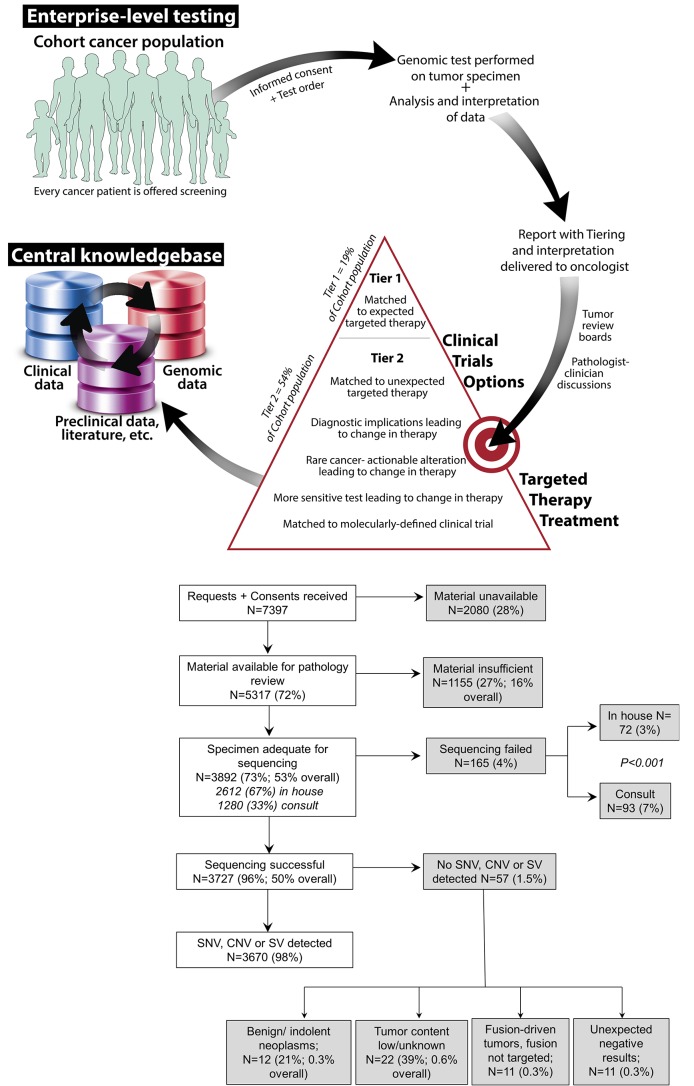
Figure 1
Figure 1. An overview of the Profile program, including specimen availability, adequacy, and sequencing success.
(A) For consented patients, a cancer specimen is genomically profiled in a CLIA laboratory. Results are tiered by a team that interprets pathology, incorporating information from each patient’s electronic health record and provided to the patient’s treating physician(s). Genomic, pathologic, and clinical data are deposited in a central knowledge base that can link to full clinical annotation. The knowledge base can be queried to facilitate development and enrollment of basket trials and inform tumor board discussions. (B) Once patient consent and a test requisition are received in the laboratory, pathology records are reviewed for available cancer specimens. Unavailable materials are defined as those not physically located within the participating institutions and not actively requested by the treating physician for OncoPanel testing. Cases are most commonly insufficient because material is too small, tumor content is less than 20%, or generates <50 ng of DNA. Sequencing failure is defined as mean target coverage of less than 50 reads. Tumors lacking single nucleotide variation (SNV), copy number variation (CNV), or structural variants (SV) were rare, but 22 were cases with low tumor content. Reported P value calculated by Fisher’s exact test.
Figure 2
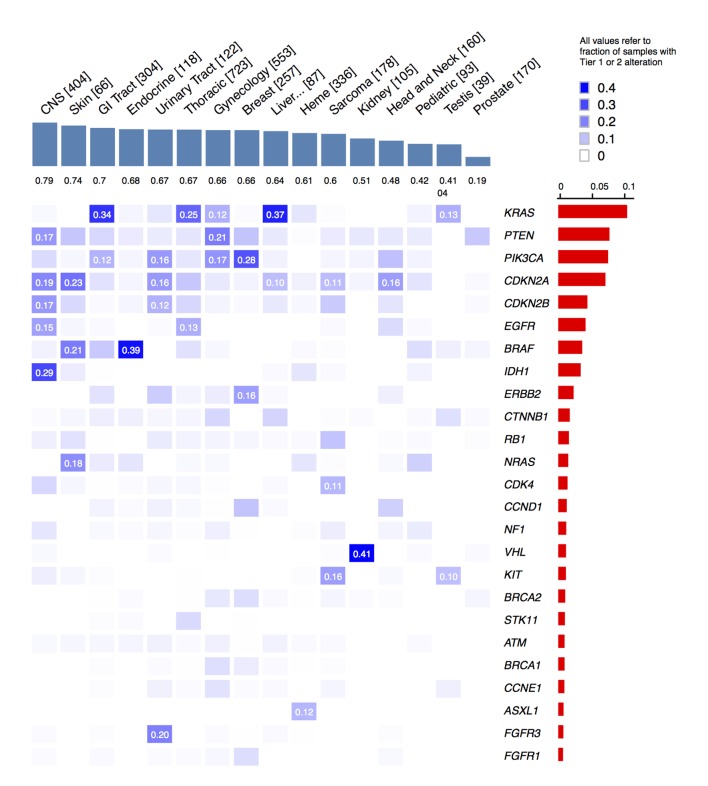
Figure 2. Frequency of alterations across the Profile cohort.
The 25 most commonly altered actionable genes across all disease sites (with implications for FDA-approved targeted therapies or clinical trial enrollment) are shown. The frequency of tier 1 and 2 actionable alterations ranged from 79% of primary CNS tumors to 19% of prostate adenocarcinomas.
Figure 3
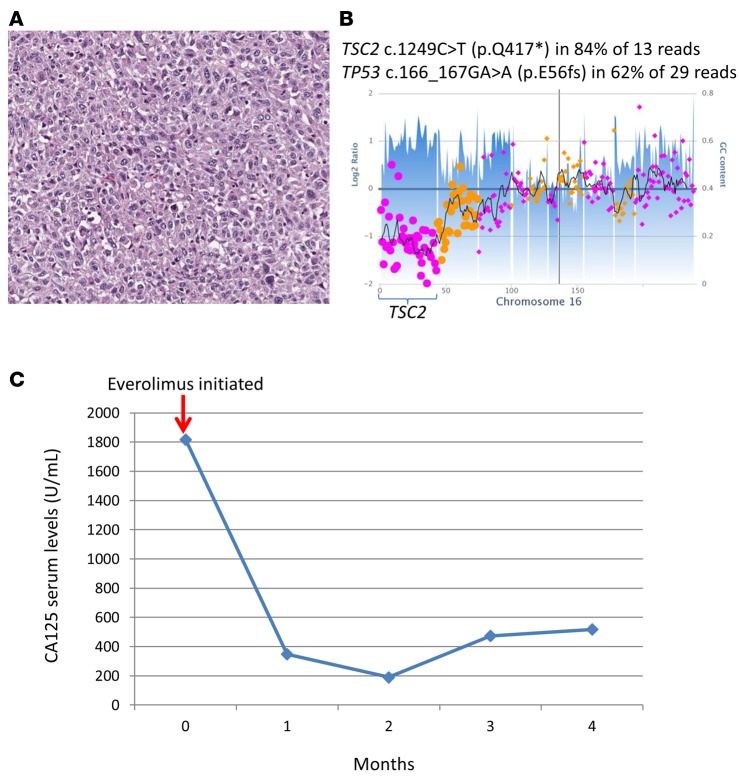
Figure 3. Targeting TSC2 loss of function.
(A) A woman with high-grade serous ovarian carcinoma (original magnification, ×200) has evidence for (B) biallelic TSC2 loss, including a truncating mutation and loss of one copy of the gene, based on OncoPanel sequencing. Magenta and gold dots indicate log2 ratio of sample copy number relative to a pooled normal at the level of individual exons and selected introns for each of the targeted genes. Pale blue tracing shows the percent guanine and cytosine (GC) content in the targeted region. (C) Following therapy with everolimus, the woman’s CA-125 levels dropped markedly following one cycle of therapy, and CA-125 levels remained low beyond the third cycle of therapy.
Figure 4
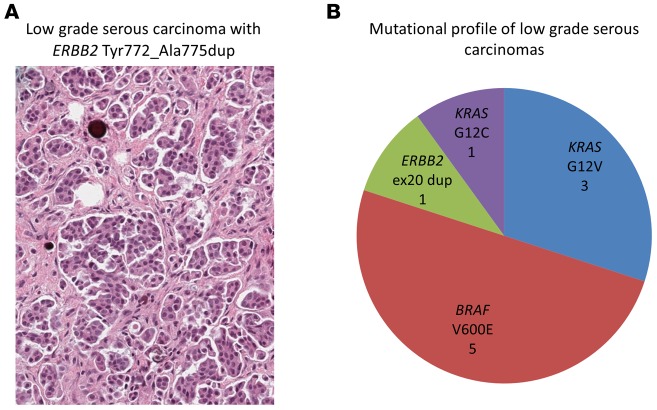
Figure 4. Achieving disease control using ERBB2-targeted therapy in low-grade serous carcinoma.
(A) Peritoneal biopsies in a 48-year-old patient with a longstanding history of low-grade serous carcinoma show a monomorphic proliferation of epithelial cells with bland cytologic features and frequent psammoma bodies (original magnification, ×400). Tumor genotyping revealed an ERBB2 duplication mutation in exon 20. (B) Ten cases of low-grade serous tumors were sequenced: a mean of 3 single nucleotide variants (SNV) (2.4 SNVs per Mb) per case was seen. Two KRAS G12V-mutated cases showed an additional activating PIK3CA mutation; one KRAS G12V-mutated case showed an additional BRAF D594G mutation. Notably, none had concurrent mutations in tumor suppressor genes.
Figure 5
Figure 5. Clinical effect of genomic profiling.
(A) A nonsmoking man with metastatic lung adenocarcinoma to the brain (original magnification, ×400) had a complex EGFR intron 19 mutation involving the splice junction (EGFR c.2283+1G>A [p.D761_splice] and c.2283+12_149del) in 92% of 780 sequencing reads. The read count is consistent with high-level amplification of the mutated EGFR allele. Baseline chest CT prior to the initiation of erlotinib therapy demonstrated a 3.8-cm mass in the left lower lobe (arrow). On a follow-up chest CT at 12 weeks of erlotinib therapy, the mass has decreased in size, measuring 2.5 cm (arrow), representing response to therapy. (B) A nonsmoking man with lung adenocarcinoma (original magnification, ×100) with pleural carcinomatosis had focal gain of chromosome 19q12-13.11, including AXL. Baseline chest CT prior to initiation of MET-AXL inhibitor therapy demonstrated bilateral lung nodules and ground glass infiltrates. Follow-up chest CT at 2 months shows near-complete resolution of the lung infiltrates.
Figure 6
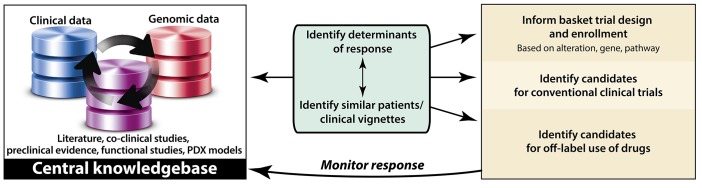
Figure 6. A knowledge base is key to maximizing the effect of genomic testing on precision medicine.
Genomic data are tiered according to clinical actionability based on available evidence, incorporating published literature and supporting evidence from preclinical and functional studies, and feed into a central knowledge base that interfaces with clinical data repositories. These data can be queried as part of IRB-approved clinical trials and research studies and used to identify determinants of response as well as patients with similar genomic profiles that may be candidates for targeted therapies. Going forward, this mechanism can also be used to enable more rational design of basket trials.

References

    1. Cobleigh MA, et al. Multinational study of the efficacy and safety of humanized anti-HER2 monoclonal antibody in women who have HER2-overexpressing metastatic breast cancer that has progressed after chemotherapy for metastatic disease. J Clin Oncol. 1999;17(9):2639–2648. - PubMed
    1. Demetri GD, et al. Efficacy and safety of imatinib mesylate in advanced gastrointestinal stromal tumors. N Engl J Med. 2002;347(7):472–480. doi: 10.1056/NEJMoa020461. - DOI - PubMed
    1. Druker BJ, et al. Effects of a selective inhibitor of the Abl tyrosine kinase on the growth of Bcr-Abl positive cells. Nat Med. 1996;2(5):561–566. doi: 10.1038/nm0596-561. - DOI - PubMed
    1. Kris MG, et al. Using multiplexed assays of oncogenic drivers in lung cancers to select targeted drugs. JAMA. 2014;311(19):1998–2006. doi: 10.1001/jama.2014.3741. - DOI - PMC - PubMed
    1. Lopez-Chavez A, et al. Molecular profiling and targeted therapy for advanced thoracic malignancies: a biomarker-derived, multiarm, multihistology phase II basket trial. J Clin Oncol. 2015;33(9):1000–1007. doi: 10.1200/JCO.2014.58.2007. - DOI - PMC - PubMed

Publication types