The role of p53 in cancer drug resistance and targeted chemotherapy
- PMID: 27888811
- PMCID: PMC5352454
- DOI: 10.18632/oncotarget.13475
The role of p53 in cancer drug resistance and targeted chemotherapy
Abstract
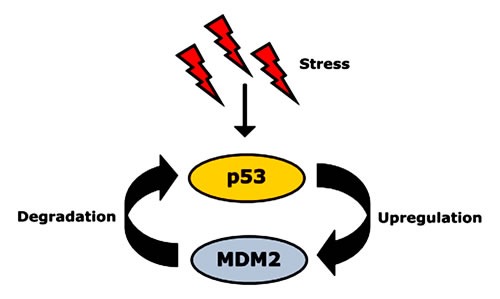
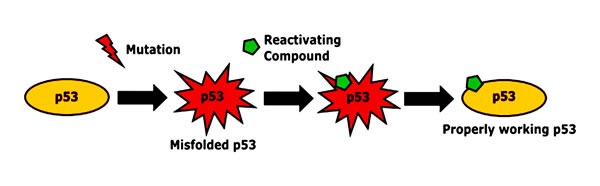
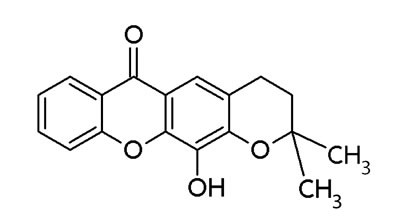
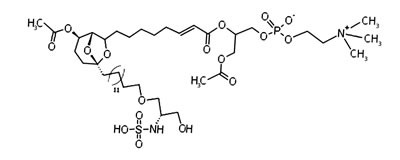
Cancer has long been a grievous disease complicated by innumerable players aggravating its cure. Many clinical studies demonstrated the prognostic relevance of the tumor suppressor protein p53 for many human tumor types. Overexpression of mutated p53 with reduced or abolished function is often connected to resistance to standard medications, including cisplatin, alkylating agents (temozolomide), anthracyclines, (doxorubicin), antimetabolites (gemcitabine), antiestrogenes (tamoxifen) and EGFR-inhibitors (cetuximab). Such mutations in the TP53 gene are often accompanied by changes in the conformation of the p53 protein. Small molecules that restore the wild-type conformation of p53 and, consequently, rebuild its proper function have been identified. These promising agents include PRIMA-1, MIRA-1, and several derivatives of the thiosemicarbazone family. In addition to mutations in p53 itself, p53 activity may be also be impaired due to alterations in p53's regulating proteins such as MDM2. MDM2 functions as primary cellular p53 inhibitor and deregulation of the MDM2/p53-balance has serious consequences. MDM2 alterations often result in its overexpression and therefore promote inhibition of p53 activity. To deal with this problem, a judicious approach is to employ MDM2 inhibitors. Several promising MDM2 inhibitors have been described such as nutlins, benzodiazepinediones or spiro-oxindoles as well as novel compound classes such as xanthone derivatives and trisubstituted aminothiophenes. Furthermore, even naturally derived inhibitor compounds such as α-mangostin, gambogic acid and siladenoserinols have been discovered. In this review, we discuss in detail such small molecules that play a pertinent role in affecting the p53-MDM2 signaling axis and analyze their potential as cancer chemotherapeutics.
Keywords: cytotoxic chemotherapy; drug resistance; medicinal chemistry; prognostic factors; targeted chemotherapy.
Conflict of interest statement
The authors declare that they have no conflict of interest.
Figures
Similar articles
-
Spiro-oxindoles as a Promising Class of Small Molecule Inhibitors of p53-MDM2 Interaction Useful in Targeted Cancer Therapy.Top Curr Chem (Cham). 2017 Feb;375(1):3. doi: 10.1007/s41061-016-0089-0. Epub 2016 Dec 9. Top Curr Chem (Cham). 2017. PMID: 27943171 Review.
-
Molecular modeling approaches in the discovery of new drugs for anti-cancer therapy: the investigation of p53-MDM2 interaction and its inhibition by small molecules.Curr Med Chem. 2010;17(28):3142-54. doi: 10.2174/092986710792232021. Curr Med Chem. 2010. PMID: 20666726 Review.
-
Resistance mechanisms to TP53-MDM2 inhibition identified by in vivo piggyBac transposon mutagenesis screen in an Arf-/- mouse model.Proc Natl Acad Sci U S A. 2017 Mar 21;114(12):3151-3156. doi: 10.1073/pnas.1620262114. Epub 2017 Mar 6. Proc Natl Acad Sci U S A. 2017. PMID: 28265066 Free PMC article.
-
MDM2/X inhibitors under clinical evaluation: perspectives for the management of hematological malignancies and pediatric cancer.J Hematol Oncol. 2017 Jul 3;10(1):133. doi: 10.1186/s13045-017-0500-5. J Hematol Oncol. 2017. PMID: 28673313 Free PMC article. Review.
-
Fortifying p53 - beyond Mdm2 inhibitors.Aging (Albany NY). 2016 Sep 29;8(9):1836-1837. doi: 10.18632/aging.101073. Aging (Albany NY). 2016. PMID: 27688014 Free PMC article. No abstract available.
Cited by
-
The EXTREME Regimen Associating Cetuximab and Cisplatin Favors Head and Neck Cancer Cell Death and Immunogenicity with the Induction of an Anti-Cancer Immune Response.Cells. 2022 Sep 14;11(18):2866. doi: 10.3390/cells11182866. Cells. 2022. PMID: 36139440 Free PMC article.
-
Overcoming doxorubicin resistance in triple-negative breast cancer using the class I-targeting HDAC inhibitor bocodepsin/OKI-179 to promote apoptosis.Breast Cancer Res. 2024 Mar 1;26(1):35. doi: 10.1186/s13058-024-01799-5. Breast Cancer Res. 2024. PMID: 38429789 Free PMC article.
-
Shared Nearest Neighbors Approach and Interactive Browser for Network Analysis of a Comprehensive Non-Small-Cell Lung Cancer Data Set.JCO Clin Cancer Inform. 2022 Jul;6:e2200040. doi: 10.1200/CCI.22.00040. JCO Clin Cancer Inform. 2022. PMID: 35944232 Free PMC article.
-
CRISPR/Cas9 gene editing: a new approach for overcoming drug resistance in cancer.Cell Mol Biol Lett. 2022 Jun 17;27(1):49. doi: 10.1186/s11658-022-00348-2. Cell Mol Biol Lett. 2022. PMID: 35715750 Free PMC article. Review.
-
In Vitro Cytotoxic Activity of African Plants: A Review.Molecules. 2022 Aug 5;27(15):4989. doi: 10.3390/molecules27154989. Molecules. 2022. PMID: 35956938 Free PMC article. Review.
References
-
- Lane DP. Cancer. p53, guardian of the genome. Nature. 1992;358(6381):15–16. - PubMed
-
- Efeyan A, Serrano M. p53: guardian of the genome and policeman of the oncogenes. Cell Cycle. 2007;6(9):1006–1010. - PubMed
-
- Giaccia AJ, Kastan MB. The complexity of p53 modulation: emerging patterns from divergent signals. Genes Dev. 1998;12(19):2973–2983. - PubMed
Publication types
MeSH terms
Substances
LinkOut - more resources
Full Text Sources
Other Literature Sources
Research Materials
Miscellaneous