Review
. 2017 Jan;17(1):7-20.
doi: 10.1038/nri.2016.117. Epub 2016 Nov 28.

Early local immune defences in the respiratory tract

Affiliations
Review

Early local immune defences in the respiratory tract

Akiko Iwasaki et al. Nat Rev Immunol. 2017 Jan.

Abstract

The respiratory immune response consists of multiple tiers of cellular responses that are engaged in a sequential manner in order to control infections. The stepwise engagement of effector functions with progressively increasing host fitness costs limits tissue damage. In addition, specific mechanisms are in place to promote disease tolerance in response to respiratory infections. Environmental factors, obesity and the ageing process can alter the efficiency and regulation of this tiered response, increasing pathology and mortality as a result. In this Review, we describe the cell types that coordinate pathogen clearance and tissue repair through the serial secretion of cytokines, and discuss how the environment and comorbidity influence this response.


Conflict of interest statement

Competing interests statement

The authors declare no competing interests.

Figures
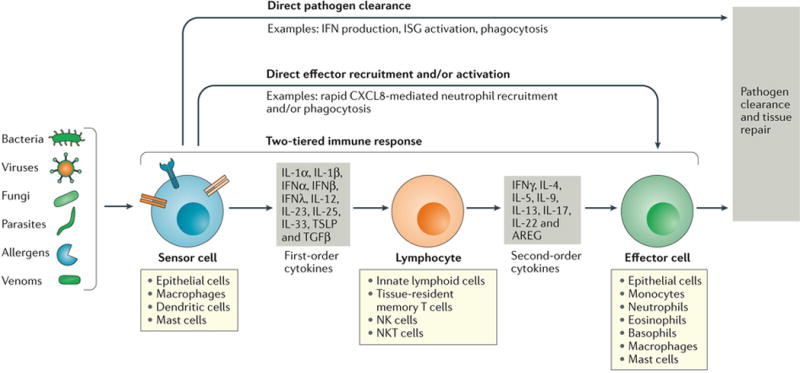
Figure 1
Figure 1. A stepwise engagement of tiered responses following respiratory infection
Pathogens and certain noxious compounds are detected by sensor cells located within the respiratory tract. Sensor cells immediately initiate innate immune responses that may be sufficient to clear localized infections. For example, sensor cells may secrete factors such as interferons (IFNs) that lead to pathogen clearance (direct pathogen clearance, top arrow). In some cases, first order cytokines directly recruit effector cells that clear pathogens; for example, CXCL8 mediate recruitment of neutrophils to clear bacteria (direct effector recruitment and/or activation, second arrow from the top). In addition, a two-tiered response can be engaged, in which sensor cells secrete first order cytokines that act on tissue-resident lymphoid cell populations, which integrate these signals and release appropriate second order cytokines. These cytokines in turn recruit and activate effector cells and effector functions specific to the pathogen type, which serve to promote pathogen clearance and tissue repair.
Figure 2
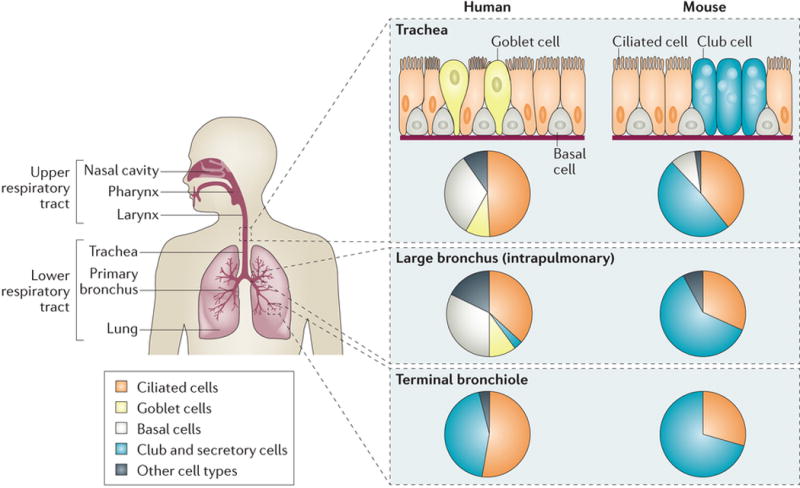
Figure 2. Composition of the airway epithelium varies with airway diameter
The conducting airways include the air passages from the nasal cavity to the terminal bronchioles. The same major cell types compose the airway epithelium lining in all these parts, but the relative proportion of each cell type varies with the airway diameter, which is consistent with differences in functional requirements. This is also evident when comparing the cellular composition of the human conducting airways with mouse airways. Mucous goblet cells are rare in the mouse airway epithelium beyond the upper airway; similarly, club cells are rare in human airways larger than the terminal bronchioles. The pie charts indicate approximate proportions of the major cell types at different locations of the respiratory system (compiled from references,).
Figure 3
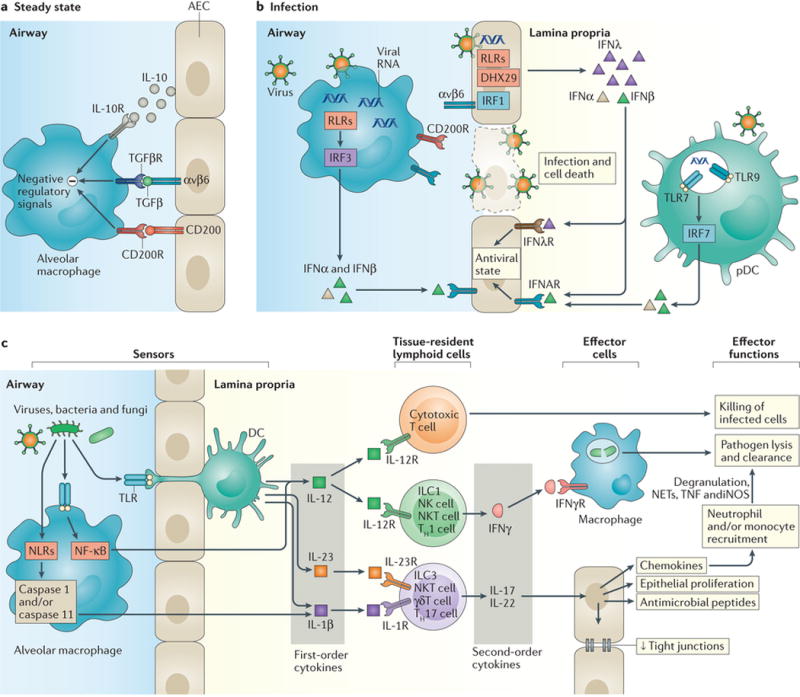
Figure 3. Single and two-tiered responses in type 1 immunity. a
At steady state in the airways, alveolar macrophage activation is suppressed by negative regulatory signals in part delivered by CD200–CD200R and recognition of TGFβ presented by αvβ6 on airway epithelial cells (AECs). b |During infection, disruption of these interactions due to death of AECs enables activation of macrophages. Recognition of viruses by pattern recognition receptors expressed by airway epithelial cells (AECs) leads to secretion of interferon-λ (IFNλ), whereas recognition by endosomal Toll-like receptors (TLRs) in plasmacytoid DCs (pDCs) and cytosolic RIG-I-like receptors (RLRs) and DNA sensors in alveolar macrophages leads to IFNα/β production. These IFNs induce an antiviral state in proximal AECs, inducing IFN-stimulated genes that help constrain viral spread. c | TLRs expressed by alveolar macrophages and DCs that extend trans-epithelial processes enable the recognition of viral, fungal, and bacterial molecules, and bacterial pathogens in the airway leading to the production of first order cytokines including interleukin-12 (IL-12) and IL-23. Additional pathogen recognition via inflammasome activation leads to caspase-1-mediated activation and release of the first order cytokine IL-1β. These first order cytokines act on tissue-resident lymphoid populations of cytotoxic T lymphocytes to enhance direct killing of infected cells, and on innate lymphoid cells (ILCs), natural killer (NK) cells, NK T cells, and T cells to induce the production of appropriate second order cytokines including IFNγ, IL-17, and IL-22. These second order cytokines in turn act on AECs to induce chemokine production, antimicrobial peptide release, and increased proliferation and/or tight junction formation to enhance airway integrity and constrain pathogen spread. Local and chemokine-recruited phagocytes including neutrophils and monocytes are additionally activated by IFNγ, enhancing their phagocytic capabilities and leading to enhanced pathogen lysis and clearance.
Figure 4
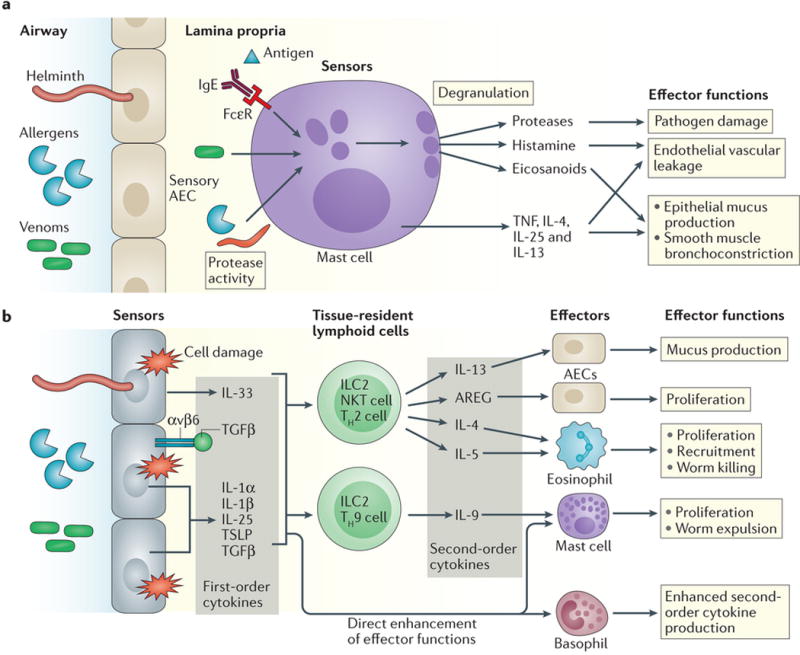
Figure 4. Single and two-tiered responses in type 2 immunity. a
Mast cells can be activated directly in response to certain protease activities, venom proteins homologous to mammalian mast cell-activating proteins, or through antigen-specific IgE-mediated signaling through FcεR, whereupon they can form a single-tiered immune response to helminths and allergens. Activation leads to degranulation and release of proteases, histamine, and eicosanoids (including prostaglandins), as well as the production of certain effector cytokines. These compounds can directly initiate effector mechanisms that can promote worm expulsion but which are also associated with anaphylaxis in severe instances of allergy. b | Cell damage and protease activity from helminth infection or exposure to allergens and venoms leads to the secretion and release of the first order cytokines interleukin-25 (IL-25), TSLP, IL-33, IL-1β, and TGFβ (presented by αvβ6) from sensory airway epithelial cells (AECs). These cytokines in turn act on tissue-resident lymphoid cells including innate lymphoid cells (ILC2s), natural killer T cells, T helper 2 (Th2) cells and Th9 cells to drive secretion of appropriate second order cytokines, which act on mast cells, AECs, basophils, and eosinophils to initiate effector mechanisms aimed at worm expulsion and tissue repair. First order cytokines can also enhance basophil and mast cell recruitment and activation in order to appropriately calibrate the immune response.
Figure 5
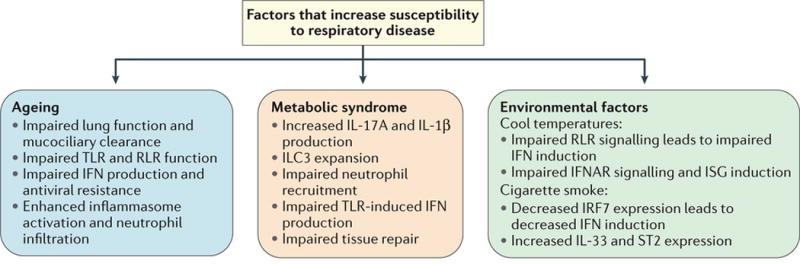
Figure 5. Internal and external factors increase respiratory disease susceptibility
Both internal and external influences can alter early respiratory immune responses. External factors like cold temperatures and cigarette smoke can both impair sensor cell functionality and antiviral responses. Chronic conditions such as ageing and metabolic syndrome can also have profound effects, altering the functions of sensors, lymphoid cells, and effector responses, thus disrupting various stages of the tiered respiratory immune response. Together these factors contribute to the increases in respiratory morbidity and mortality observed in populations affected by these factors.

References

    1. Iwasaki A, Medzhitov R. Control of adaptive immunity by the innate immune system. Nat Immunol. 2015;16:343–353. - PMC - PubMed
    1. Morgan OW, et al. Morbid obesity as a risk factor for hospitalization and death due to 2009 pandemic influenza A (H1N1) disease. PloS one. 2010;5:e9694. - PMC - PubMed
    1. Thompson WW, Shay DK, Weintraub E, et al. Mortality associated with influenza and respiratory syncytial virus in the united states. JAMA. 2003;289:179–186. - PubMed
    1. Braciale TJ, Sun J, Kim TS. Regulating the adaptive immune response to respiratory virus infection. Nat Rev Immunol. 2012;12:295–305. - PMC - PubMed
    1. Iwasaki A, Medzhitov R. Control of adaptive immunity by the innate immune system. Nat Immunol. 2015;16:343–353. - PMC - PubMed

Publication types