


Oral hygiene compliance in orthodontic patients: a randomized controlled study on the effects of a post-treatment communication
- PMID: 27891568
- PMCID: PMC5165014
- DOI: 10.1186/s40510-016-0154-9
Oral hygiene compliance in orthodontic patients: a randomized controlled study on the effects of a post-treatment communication
Abstract
Background: Several studies have recently demonstrated that a post-treatment communication to explain the importance of an oral hygiene can improve the orthodontic patients' compliance over a period of 66 days. The main goal of this study is to evaluate the effects of a structured follow-up communication after orthodontic appliance application on oral hygiene compliance after 30-40 days.
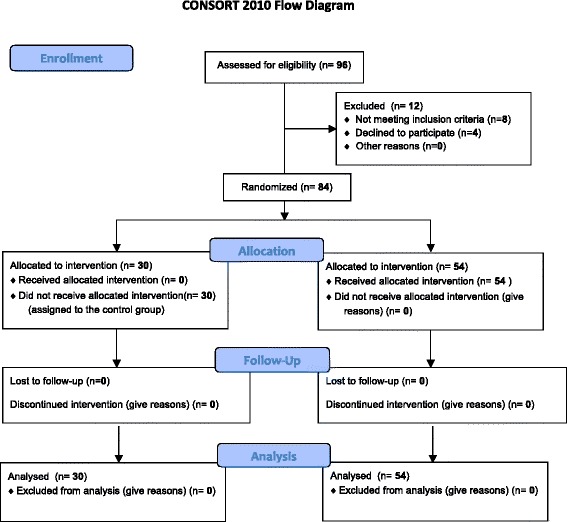
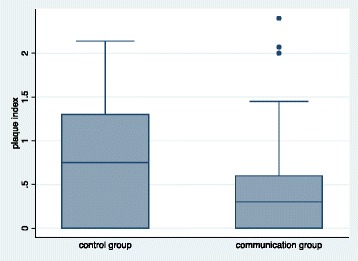
Methods: Eighty-four orthodontic participants enrolled from patients who were beginning fixed orthodontic treatment at the Orthodontic Department, Gaslini Hospital, Genova, between July and October 2014 were randomly assigned to one of three trial arms. Before the bonding, all patients underwent a session of oral hygiene aimed at obtaining an plaque index of "zero." At the following orthodontic appointment, the plaque index was calculated for each patient in order to assess oral hygiene compliance. The first group served as control and did not receive any post-procedure communication, the second group received a structured text message giving reassurance, and the third group received a structured telephone call. Participants were blinded to group assignment and were not made aware that the text message or the telephone call was part of the study. (The research protocol was approved by the Italian Comitato Etico Regionale della Liguria-sezione 3^ c/o IRCCS-Istituto G. Gaslini 845/2014, and it is not registered in the trial's register.) RESULTS: Thirty patients were randomly assigned to the control group, 28 participants to the text message group, and 26 to the telephone group. Participants who received a post-treatment communication reported higher level of oral hygiene compliance than participants in the control group. The plaque index was 0.3 (interquartile range (Iqr), 0.60) and 0.75 (Iqr, 1.30), respectively, with a significant difference (P = 0.0205).
Conclusions: A follow-up procedure after orthodontic treatment may be an effective tool to increase oral hygiene compliance also over a short period.
Figures
References
Publication types
MeSH terms
LinkOut - more resources
Full Text Sources
Other Literature Sources
Medical
Miscellaneous
