


Moderate Load Eccentric Exercise; A Distinct Novel Training Modality
- PMID: 27899894
- PMCID: PMC5110564
- DOI: 10.3389/fphys.2016.00483
Moderate Load Eccentric Exercise; A Distinct Novel Training Modality
Abstract
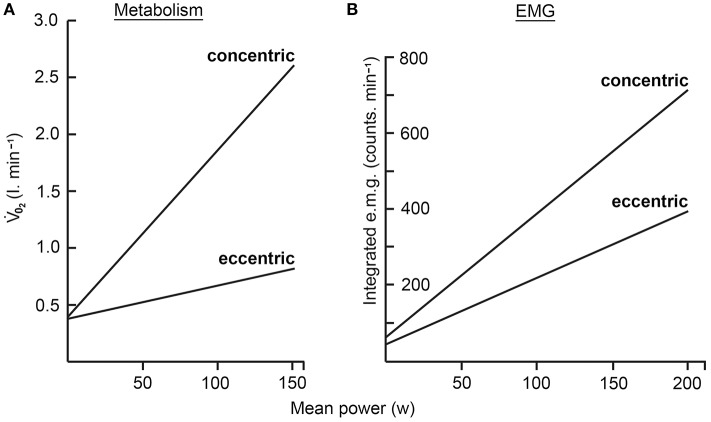
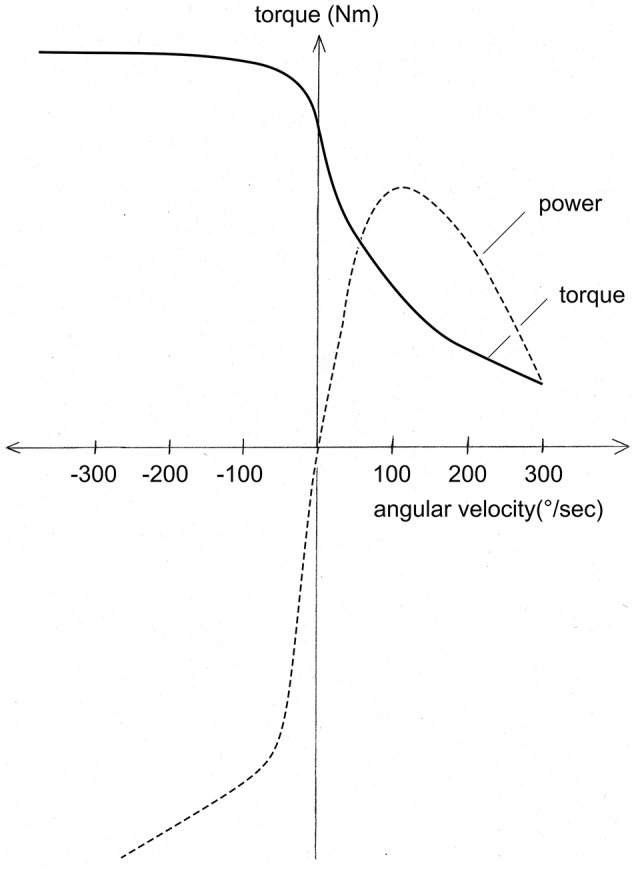
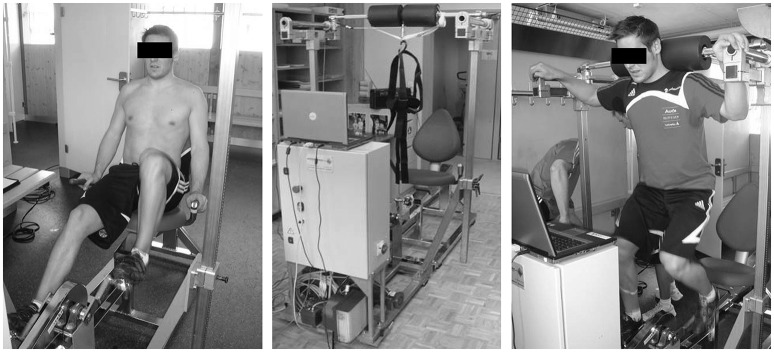
Over the last 20 years a number of studies have been published using progressive eccentric exercise protocols on motorized ergometers or similar devices that allow for controlled application of eccentric loads. Exercise protocols ramp eccentric loads over an initial 3 weeks period in order to prevent muscle damage and delayed onset muscle soreness. Final training loads reach 400-500 W in rehabilitative settings and over 1200 W in elite athletes. Training is typically carried out three times per week for durations of 20-30 min. This type of training has been characterizes as moderate load eccentric exercise. It has also been denoted RENEW (Resistance Exercise via Negative Eccentric Work by LaStayo et al., 2014). It is distinct from plyometric exercises (i.e., drop jumps) that impose muscle loads of several thousand Watts on muscles and tendons. It is also distinct from eccentric overload training whereby loads in a conventional strength training setting are increased in the eccentric phase of the movement to match concentric loads. Moderate load eccentric exercise (or RENEW) has been shown to be similarly effective as conventional strength training in increasing muscle strength and muscle volume. However, as carried out at higher angular velocities of joint movement, it reduces joint loads. A hallmark of moderate load eccentric exercise is the fact that the energy requirements are typically 4-fold smaller than in concentric exercise of the same load. This makes moderate load eccentric exercise training the tool of choice in medical conditions with limitations in muscle energy supply. The use and effectiveness of moderate load eccentric exercise has been demonstrated mostly in small scale studies for cardiorespiratory conditions, sarcopenia of old age, cancer, diabetes type 2, and neurological conditions. It has also been used effectively in the prevention and rehabilitation of injuries of the locomotor system in particular the rehabilitation after anterior cruciate ligament surgery.
Keywords: COPD; alpine skiing; eccentric exercise; rehabi; sarcopenia.
Figures
References
-
- Berg H. E., Tesch A. (1994). A gravity-independent ergometer to be used for resistance training in space. Aviat. Space Environ. Med. 65, 752–756. - PubMed
Publication types
LinkOut - more resources
Full Text Sources
Other Literature Sources
Medical
