Two subunits of human ORC are dispensable for DNA replication and proliferation
- PMID: 27906128
- PMCID: PMC5245961
- DOI: 10.7554/eLife.19084
Two subunits of human ORC are dispensable for DNA replication and proliferation
Abstract
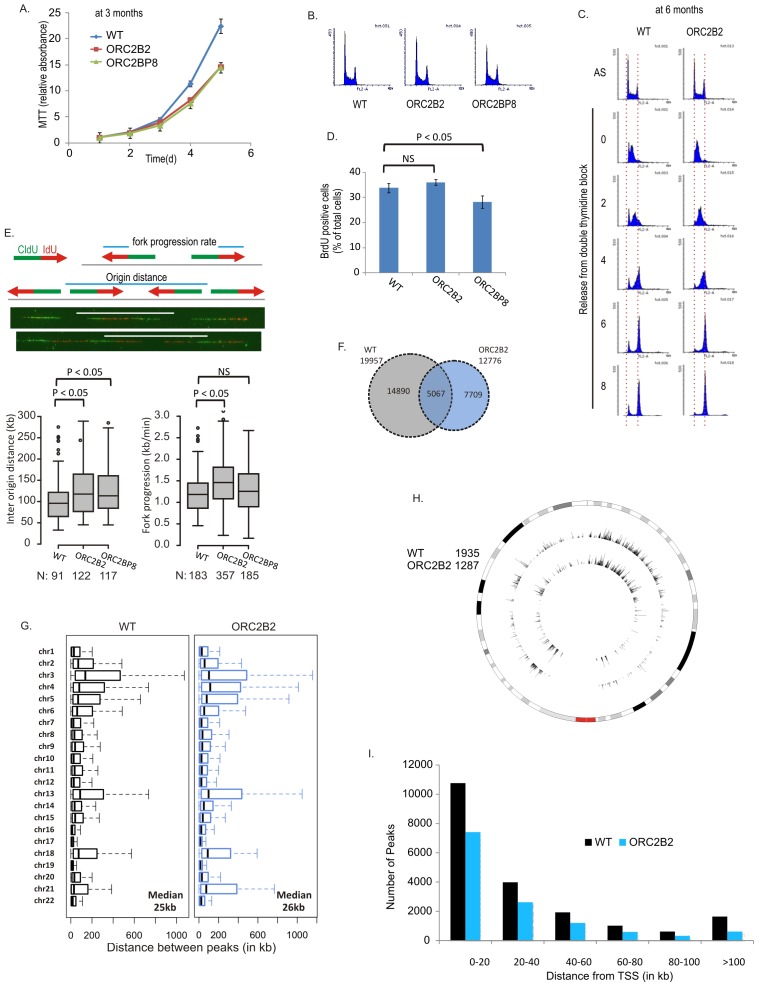
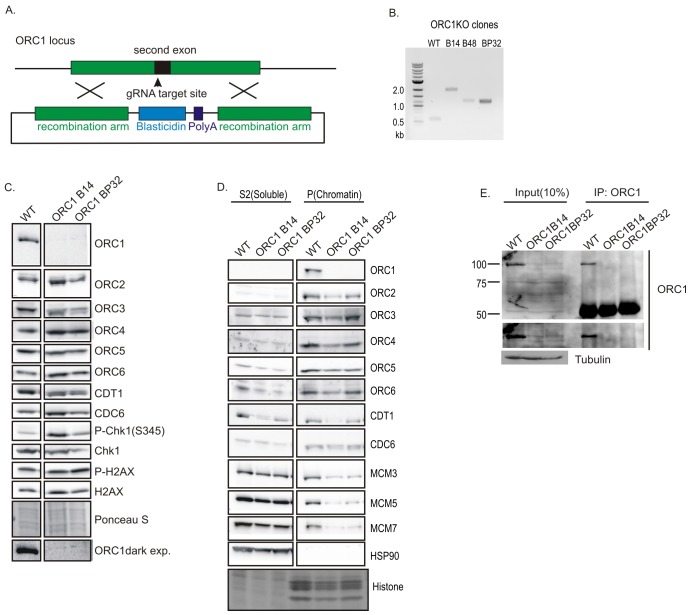
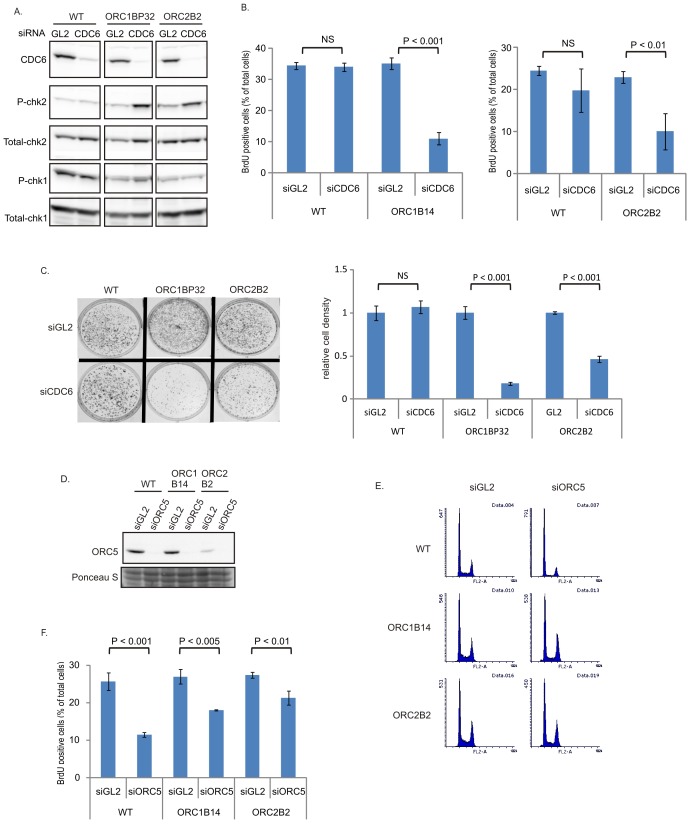
The six-subunit Origin Recognition Complex (ORC) is believed to be an essential eukaryotic ATPase that binds to origins of replication as a ring-shaped heterohexamer to load MCM2-7 and initiate DNA replication. We have discovered that human cell lines in culture proliferate with intact chromosomal origins of replication after disruption of both alleles of ORC2 or of the ATPase subunit, ORC1. The ORC1 or ORC2-depleted cells replicate with decreased chromatin loading of MCM2-7 and become critically dependent on another ATPase, CDC6, for survival and DNA replication. Thus, either the ORC ring lacking a subunit, even its ATPase subunit, can load enough MCM2-7 in partnership with CDC6 to initiate DNA replication, or cells have an ORC-independent, CDC6-dependent mechanism to load MCM2-7 on origins of replication.
Keywords: CDC6; DNA replication; ORC; cell biology; human.
Conflict of interest statement
The authors declare that no competing interests exist.
Figures


Comment in
-
Rethinking origin licensing.Elife. 2017 Jan 19;6:e24052. doi: 10.7554/eLife.24052. Elife. 2017. PMID: 28102819 Free PMC article.
References
Publication types
MeSH terms
Substances
Grants and funding
LinkOut - more resources
Full Text Sources
Other Literature Sources
Research Materials
Miscellaneous