


An update on semantic dementia: genetics, imaging, and pathology
- PMID: 27915998
- PMCID: PMC5137205
- DOI: 10.1186/s13195-016-0219-5
An update on semantic dementia: genetics, imaging, and pathology
Abstract
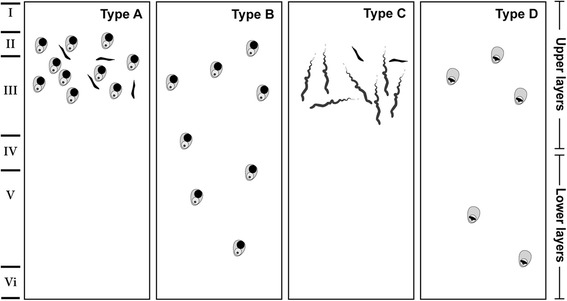
Progressive and relatively circumscribed loss of semantic knowledge, referred to as semantic dementia (SD) which falls under the broader umbrella of frontotemporal dementia, was officially identified as a clinical syndrome less than 50 years ago. Here, we review recent neuroimaging, pathological, and genetic research in SD. From a neuroimaging perspective, SD is characterised by hallmark asymmetrical atrophy of the anterior temporal pole and anterior fusiform gyrus, which is usually left lateralised. Functional magnetic resonance imaging (fMRI) studies have revealed widespread changes in connectivity, implicating the anterior temporal regions in semantic deficits in SD. Task-related fMRI have also demonstrated the relative preservation of frontal and parietal regions alongside preserved memory performance. In addition, recent longitudinal studies have demonstrated that, with disease progression, atrophy encroaches into the contralateral temporal pole and medial prefrontal cortices, which reflects emerging changes in behaviour and social cognition. Notably, unlike other frontotemporal dementia subtypes, recent research has demonstrated strong clinicopathological concordance in SD, with TDP43 type C as the most common pathological subtype. Moreover, an underlying genetic cause appears to be relatively rare in SD, with the majority of cases having a sporadic form of the disease. The relatively clear diagnosis, clinical course, and pathological homogeneity of SD make this syndrome a promising target for novel disease-modifying interventions. The development of neuroimaging markers of disease progression at the individual level is an important area of research for future studies to address, in order to assist with this endeavour.
Keywords: Frontotemporal dementia; Primary progressive aphasia; Semantic-variant primary progressive aphasia.
Figures


References
-
- Tulving E. Episodic and semantic memory. New York and London: Academic Press; 1972.
-
- Snowden JS, Goulding P, Neary D. Semantic dementia: a form of circumscribed cerebral atrophy. Behav Neurol. 1989;2(3):167–182.
Publication types
MeSH terms
LinkOut - more resources
Full Text Sources
Other Literature Sources
Medical
