


Epigenetic control of β-cell function and failure
- PMID: 27918975
- PMCID: PMC5250585
- DOI: 10.1016/j.diabres.2016.11.009
Epigenetic control of β-cell function and failure
Abstract
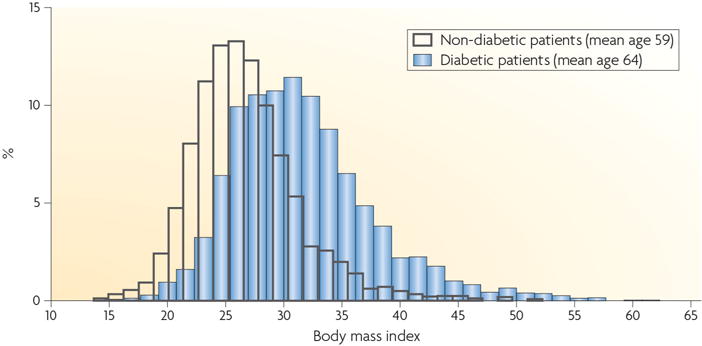
Type 2 diabetes is a highly heritable disease, but only ∼15% of this heritability can be explained by known genetic variant loci. In fact, body mass index is more predictive of diabetes than any of the common risk alleles identified by genome-wide association studies. This discrepancy may be explained by epigenetic inheritance, whereby changes in gene regulation can be passed along to offspring. Epigenetic changes throughout an organism's lifetime, based on environmental factors such as chemical exposures, diet, physical activity, and age, can also affect gene expression and susceptibility to diabetes. Recently, novel genome-wide assays of epigenetic marks have resulted in a greater understanding of how genetics, epigenetics, and the environment interact in the development and inheritance of diabetes.
Keywords: Diabetes; Epigenetics; Methylome; β-cell.
Copyright © 2016 Elsevier Ireland Ltd. All rights reserved.
Figures
References
-
- Vetere A, Choudhary A, Burns SM, Wagner BK. Targeting the pancreatic beta-cell to treat diabetes. Nature Reviews Drug Discovery. 2014;13(4):278–289. - PubMed
-
- Batterham RL, Le Roux CW, Cohen MA, Park AJ, Ellis SM, Patterson M, et al. Pancreatic polypeptide reduces appetite and food intake in humans. Journal of Clinical Endocrinology & Metabolism. 2003;88(8):3989–3992. - PubMed
Publication types
MeSH terms
Substances
Grants and funding
LinkOut - more resources
Full Text Sources
Other Literature Sources
Medical
