Listening to the Patient Voice in Narcolepsy: Diagnostic Delay, Disease Burden, and Treatment Efficacy
- PMID: 27923434
- PMCID: PMC5337589
- DOI: 10.5664/jcsm.6494
Listening to the Patient Voice in Narcolepsy: Diagnostic Delay, Disease Burden, and Treatment Efficacy
Abstract
Study objectives: Describe common symptoms, comorbidities, functional limitations, and treatment responsiveness among patients with narcolepsy. Investigate the effect of pediatric onset of narcolepsy symptoms on time to diagnosis of narcolepsy and presence of comorbid depression.
Methods: Cross-sectional survey of 1,699 people in the United States with self-reported diagnosis of narcolepsy. We utilized mixed-methods data analyses to report study findings.
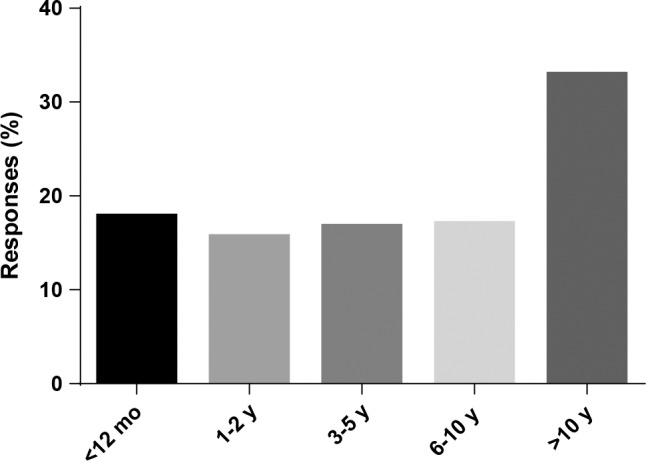
Results: Most participants reported receiving a diagnosis of narcolepsy more than 1 y after symptom onset. We found that the strongest predictor of this delayed diagnosis was pediatric onset of symptoms (odds ratio = 2.4, p < 0.0005). Depression was the most common comorbidity but we detected no association with pediatric onset of narcolepsy symptoms. Overall, participants reported that fatigue and cognitive difficulties were their most burdensome symptoms in addition to sleepiness and cataplexy. The majority of participants reported residual daytime fatigue and/or sleepiness despite treatment. Most participants reported they could not perform at work or school as well as they would like because of narcolepsy symptoms.
Conclusions: This study provides unique insight into the narcolepsy disease experience. The study quantifies the problem of diagnostic delay for narcolepsy patients in the United States and highlights that symptoms are more likely to be missed if they develop before 18 y of age. These results suggest that narcolepsy awareness efforts should be aimed at parents, pediatric health care providers, school professionals, and children/adolescents themselves. Disease burden is high because of problems with fatigue, cognition, and persistence of residual symptoms despite treatment.
Keywords: cataplexy; children; delayed diagnosis; narcolepsy; symptoms; treatment.
© 2017 American Academy of Sleep Medicine
Figures
References
-
- Silber MH, Krahn LE, Olson EJ, Pankratz VS. The epidemiology of narcolepsy in Olmsted County, Minnesota: a population-based study. Sleep. 2002;25(2):197–202. - PubMed
-
- Mignot E, Hayduk R, Black J, Grumet FC, Guilleminault C. HLA DQB1*0602 is associated with cataplexy in 509 narcoleptic patients. Sleep. 1997;20(11):1012–1020. - PubMed
-
- American Academy of Sleep Medicine. International Classification of Sleep Disorders. 3rd ed. Darien, IL: American Academy of Sleep Medicine; 2014.
-
- Morrish E, King MA, Smith IE, Shneerson JM. Factors associated with a delay in the diagnosis of narcolepsy. Sleep Med. 2004;5(1):37–41. - PubMed
-
- Thorpy MJ, Krieger AC. Delayed diagnosis of narcolepsy: characterization and impact. Sleep Med. 2014;15(5):502–507. - PubMed
MeSH terms
LinkOut - more resources
Full Text Sources
Other Literature Sources