


Recapitulation of emotional source context during memory retrieval
- PMID: 27923474
- PMCID: PMC5433925
- DOI: 10.1016/j.cortex.2016.11.004
Recapitulation of emotional source context during memory retrieval
Abstract
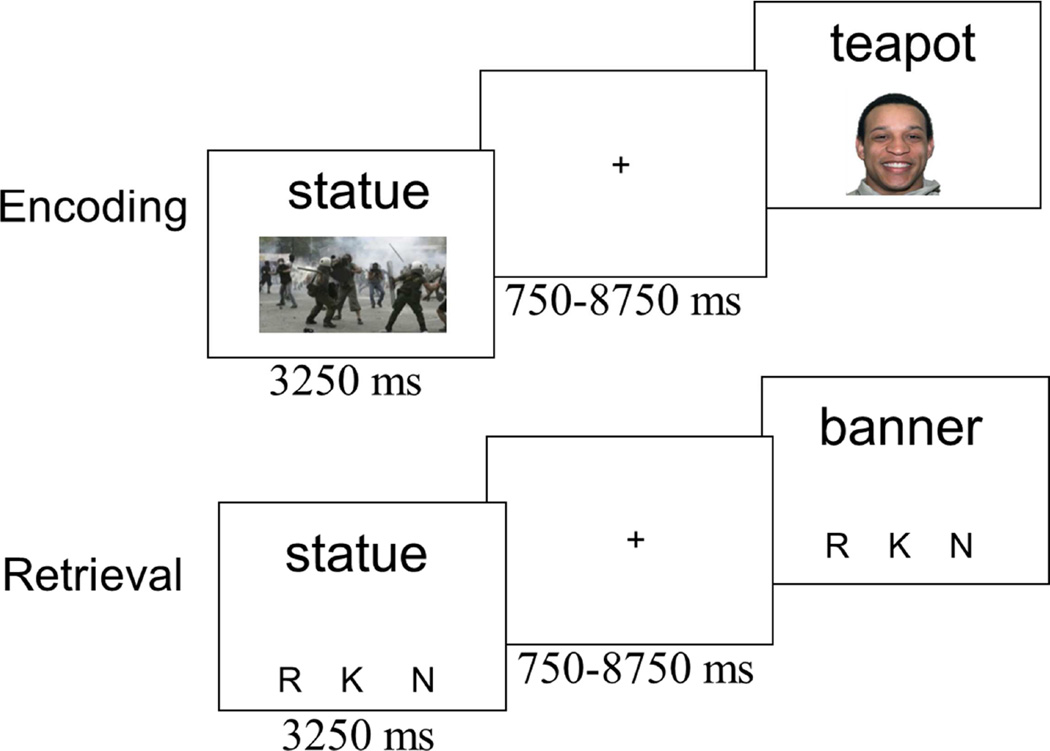
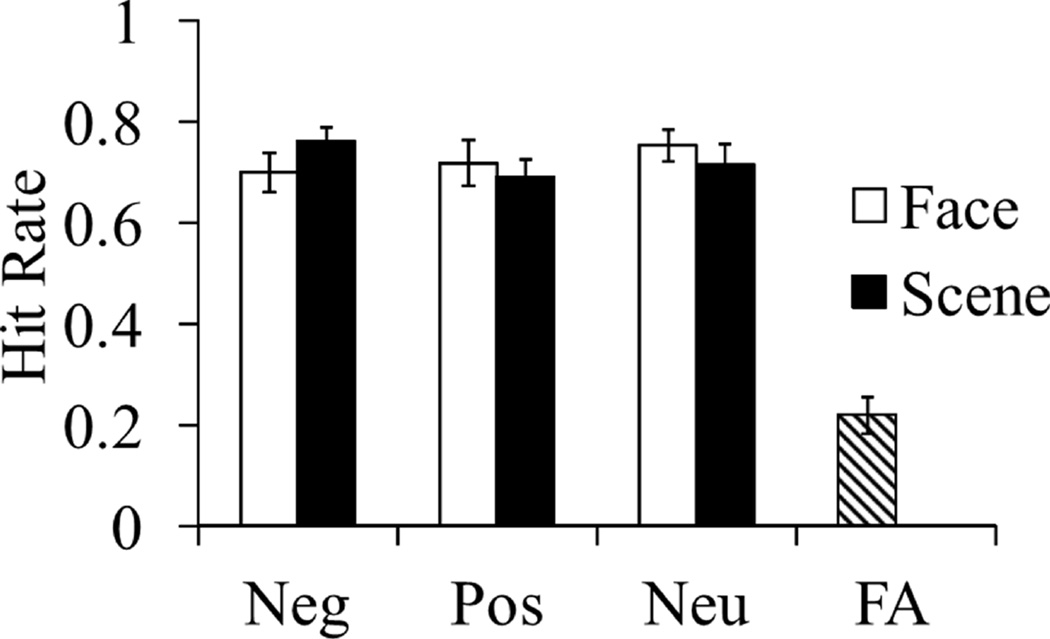
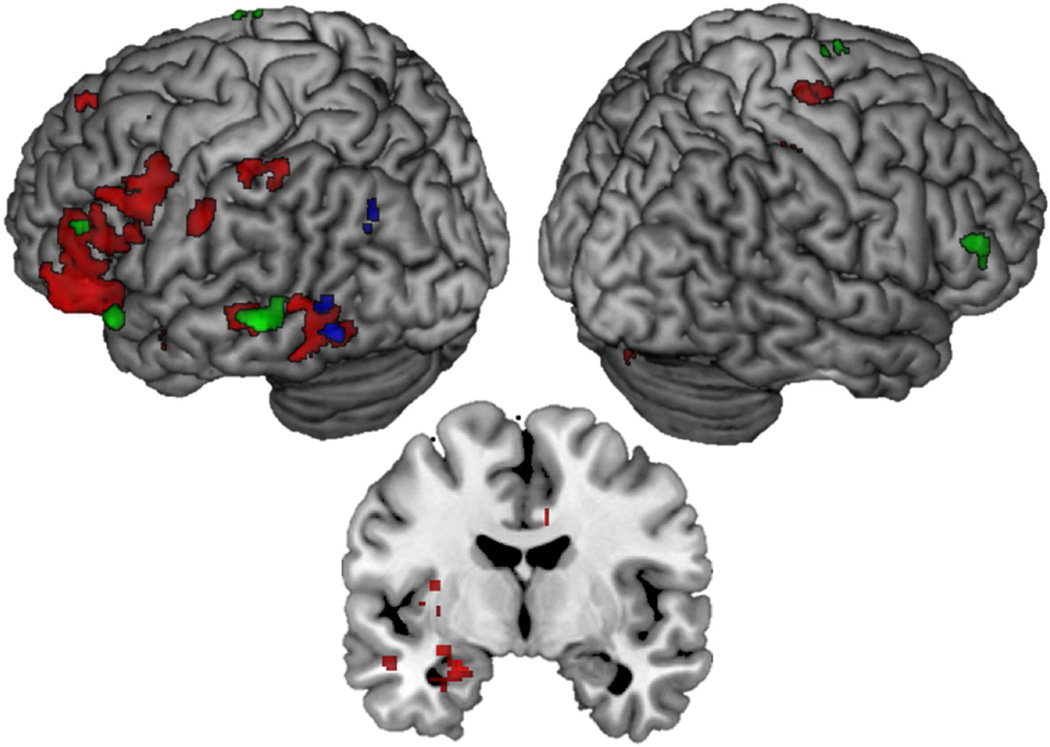
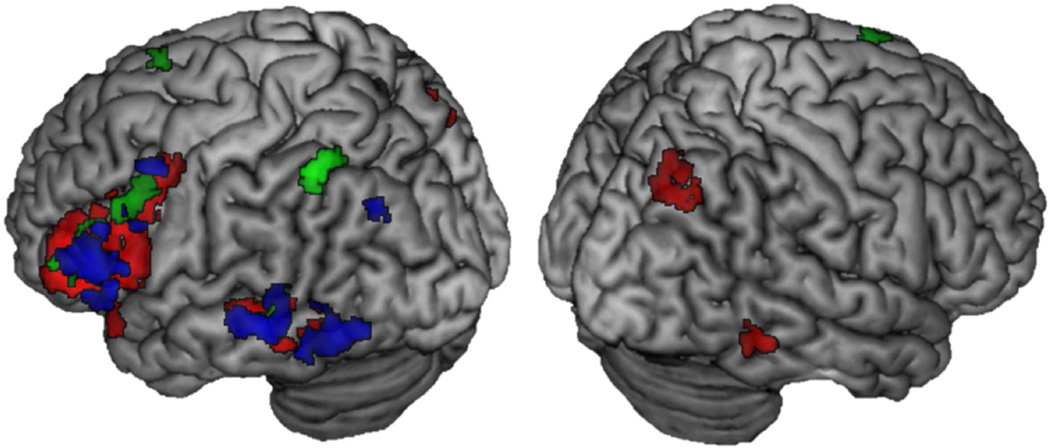
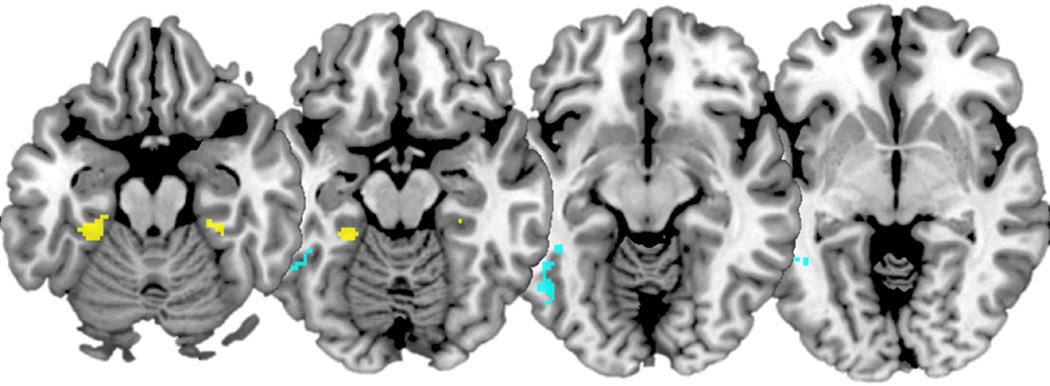
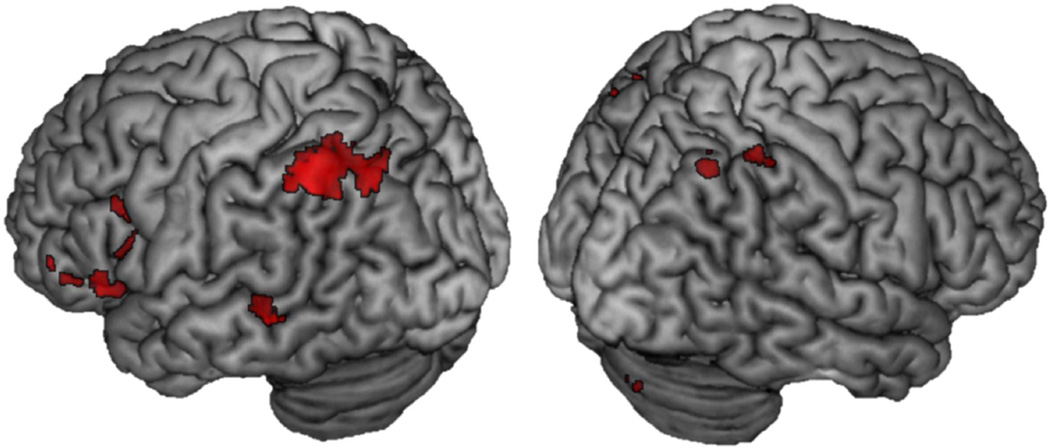
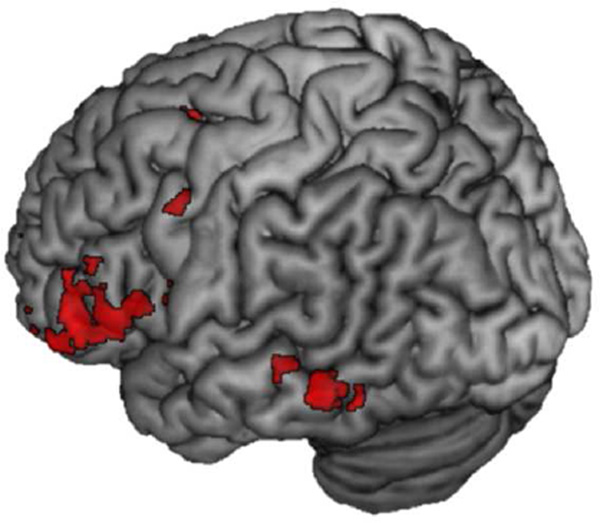
Recapitulation involves the reactivation of cognitive and neural encoding processes at retrieval. In the current study, we investigated the effects of emotional valence on recapitulation processes. Participants encoded neutral words presented on a background face or scene that was negative, positive or neutral. During retrieval, studied and novel neutral words were presented alone (i.e., without the scene or face) and participants were asked to make a remember, know or new judgment. Both the encoding and retrieval tasks were completed in the fMRI scanner. Conjunction analyses were used to reveal the overlap between encoding and retrieval processing. These results revealed that, compared to positive or neutral contexts, words that were recollected and previously encoded in a negative context showed greater encoding-to-retrieval overlap, including in the ventral visual stream and amygdala. Interestingly, the visual stream recapitulation was not enhanced within regions that specifically process faces or scenes but rather extended broadly throughout visual cortices. These findings elucidate how memories for negative events can feel more vivid or detailed than positive or neutral memories.
Keywords: Emotion; Memory; Reactivation; Recapitulation; Source memory.
Copyright © 2016 Elsevier Ltd. All rights reserved.
Figures
References
-
- Baumeister RF, Bratslavsky E, Finkenauer C, Vohs KD. Bad is stronger than good. Review of General Psychology. 2001;5(4):323–370. http://doi.org/10.1037/1089-2680.5.4.323. - DOI
-
- Beck AT, Steer RA, Carbin MG. Psychometric properties of the Beck Depression Inventory: Twenty-five years of evaluation. Clinical Psychology Review. 1988;8(1):77–100. http://doi.org/10.1016/0272-7358(88)90050-5. - DOI
-
- Bowen HJ, Kark SM. Commentary: Episodic Memory Retrieval Functionally Relies on Very Rapid Reactivation of Sensory Information. Frontiers in Human Neuroscience. 2016:10. http://doi.org/10.3389/fnhum.2016.00196. - DOI - PMC - PubMed
-
- Buchanan TW, Tranel D, Adolphs R. Memories for emotional autobiographical events following unilateral damage to medial temporal lobe. Brain: A Journal of Neurology. 2006;129(Pt 1):115–127. http://doi.org/10.1093/brain/awh672. - DOI - PubMed
-
- Buckner RL, Wheeler ME. The cognitive neuroscience of remembering. Nature Reviews. Neuroscience. 2001;2(9):624–634. http://doi.org/10.1080/17588928.2010.503602. - DOI - PubMed
MeSH terms
Grants and funding
LinkOut - more resources
Full Text Sources
Other Literature Sources
