. 2016 Dec 9;12(12):e1006097.
doi: 10.1371/journal.ppat.1006097. eCollection 2016 Dec.

Gene Expression and Silencing Studies in Phytophthora infestans Reveal Infection-Specific Nutrient Transporters and a Role for the Nitrate Reductase Pathway in Plant Pathogenesis

Affiliations

Gene Expression and Silencing Studies in Phytophthora infestans Reveal Infection-Specific Nutrient Transporters and a Role for the Nitrate Reductase Pathway in Plant Pathogenesis

Melania Abrahamian et al. PLoS Pathog. .

Abstract

To help learn how phytopathogens feed from their hosts, genes for nutrient transporters from the hemibiotrophic potato and tomato pest Phytophthora infestans were annotated. This identified 453 genes from 19 families. Comparisons with a necrotrophic oomycete, Pythium ultimum var. ultimum, and a hemibiotrophic fungus, Magnaporthe oryzae, revealed diversity in the size of some families although a similar fraction of genes encoded transporters. RNA-seq of infected potato tubers, tomato leaves, and several artificial media revealed that 56 and 207 transporters from P. infestans were significantly up- or down-regulated, respectively, during early infection timepoints of leaves or tubers versus media. About 17 were up-regulated >4-fold in both leaves and tubers compared to media and expressed primarily in the biotrophic stage. The transcription pattern of many genes was host-organ specific. For example, the mRNA level of a nitrate transporter (NRT) was about 100-fold higher during mid-infection in leaves, which are nitrate-rich, than in tubers and three types of artificial media, which are nitrate-poor. The NRT gene is physically linked with genes encoding nitrate reductase (NR) and nitrite reductase (NiR), which mobilize nitrate into ammonium and amino acids. All three genes were coregulated. For example, the three genes were expressed primarily at mid-stage infection timepoints in both potato and tomato leaves, but showed little expression in potato tubers. Transformants down-regulated for all three genes were generated by DNA-directed RNAi, with silencing spreading from the NR target to the flanking NRT and NiR genes. The silenced strains were nonpathogenic on leaves but colonized tubers. We propose that the nitrate assimilation genes play roles both in obtaining nitrogen for amino acid biosynthesis and protecting P. infestans from natural or fertilization-induced nitrate and nitrite toxicity.


Conflict of interest statement

The authors have declared that no competing interests exist.

Figures
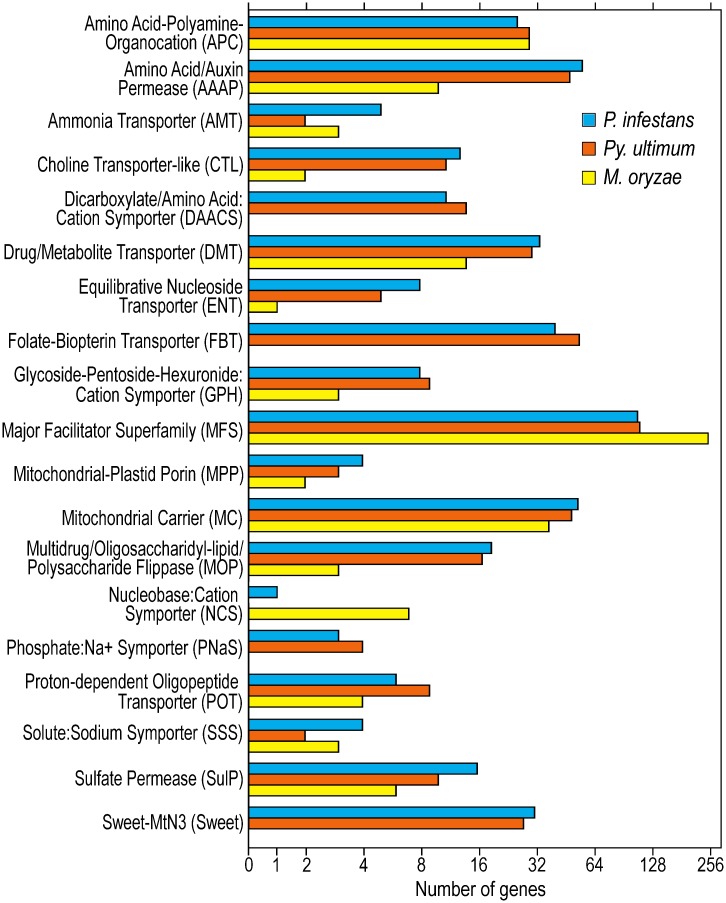
Fig 1
Fig 1. Nutrient transporters in Phytophthora infestans, Pythium ultimum and Magnaporthe oryzae.
Only families present in P. infestans are shown. Families are classified using the nomenclature in the Transporter Classification Database [26].
Fig 2
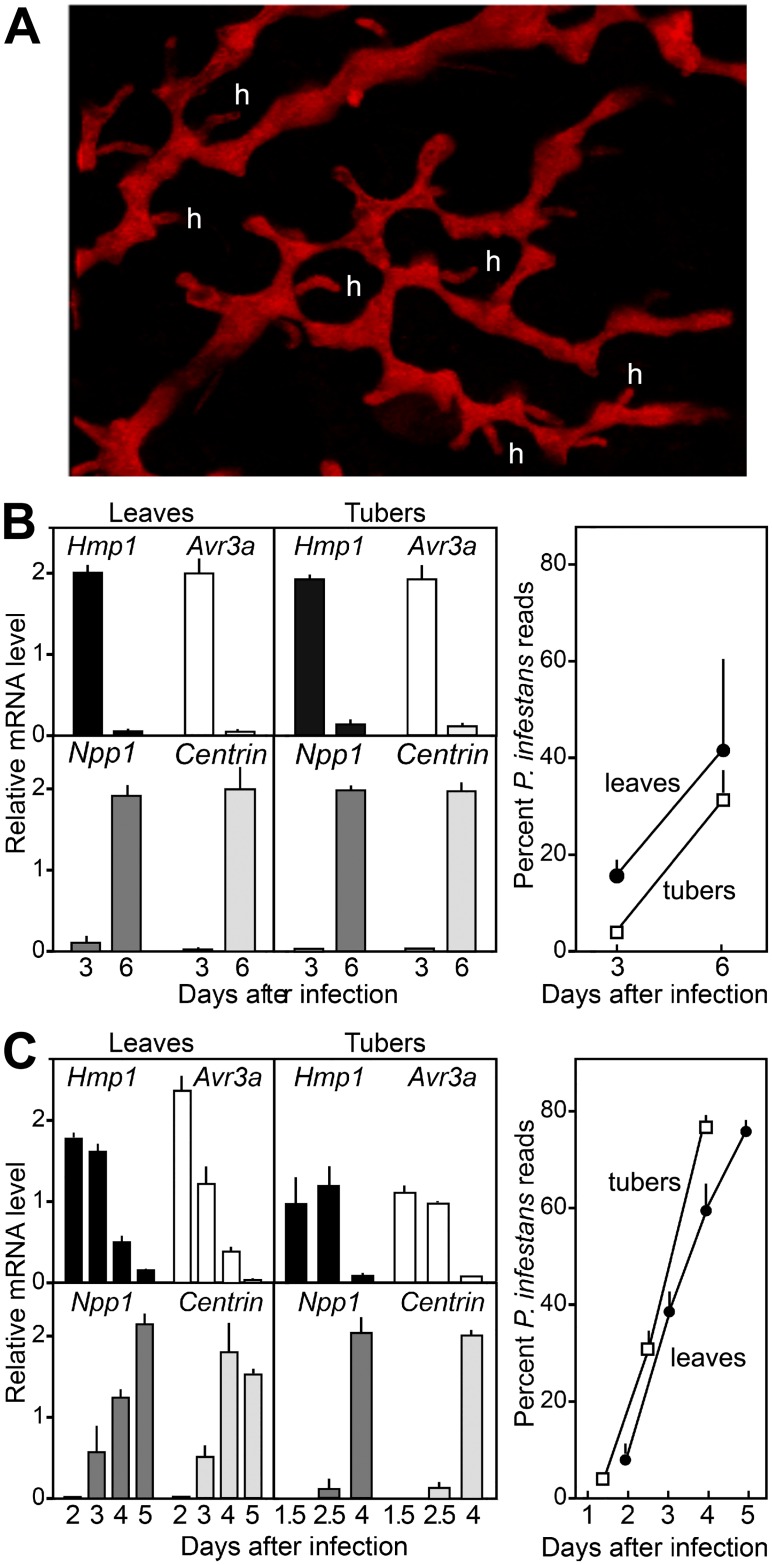
Fig 2. Expression of infection stage markers during plant colonization by P. infestans.
A. mCherry-expressing transformant of P. infestans 1306 in tomato leaf at 3 dpi, showing hyphae ramifying through intercellular spaces. Selected haustoria are indicated (h), and the dark spaces between red-colored P. infestans hyphae are the plant cells. Haustoria were also observed in tubers and plant material colonized by wild-type P. infestans 1306, which was used for the RNA analysis, but are harder to visualize in a photograph. B. Levels of Avr3a (PITG_14371), Hmp1 (PITG_00375), Centrin (PITG_02616), and Npp1 (PITG_16866) mRNA in tomato leaves and potato tuber slices from Experiment One. Infections were made by dipping whole plants or tuber slices in a suspension of zoospores from P. infestans isolate 1306, and RNA was extracted after 3 or 6 dpi. Bars represent ranges from biological replicates. The right panel indicates the percentage of RNA reads that mapped to P. infestans in the leaves (solid circles) and tubers (open circles). C. Same as panel B, except showing data from Experiment Two.
Fig 3
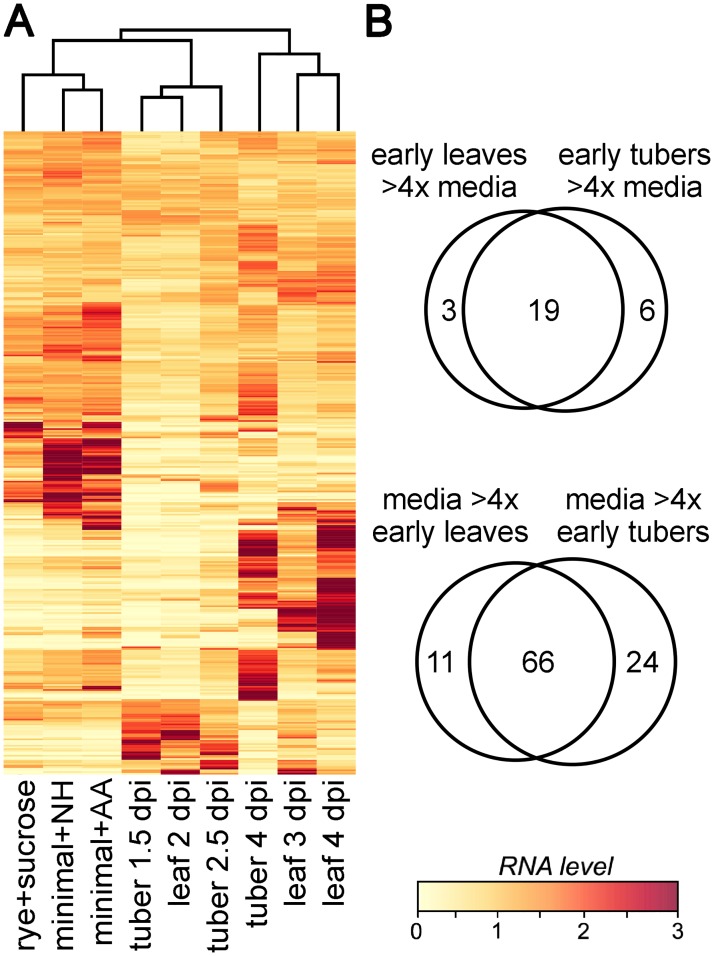
Fig 3. Transporter expression in P. infestans.
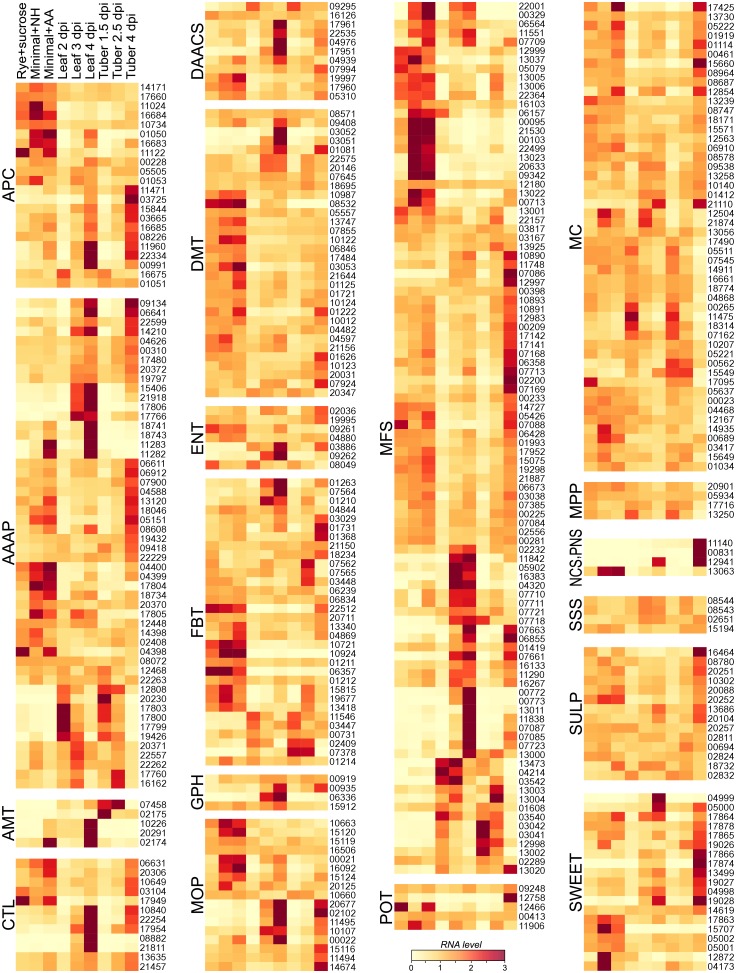
A. mRNA levels of transporters in tomato leaves at 2, 3, and 4 dpi, in tubers at 1.5, 2.5, and 4 dpi, and in rye-sucrose, amino acid-modified minimal media (minimal+AA), and NH4+-based minimal media (minimal+NH). The heatmap was generated using CPM (counts per million mapped reads) data from Experiment Two, after per-gene normalization. B. Number of genes showing >4-fold higher mRNA levels in the earliest leaf and tuber timepoints compared to each of the artificial media, or vice versa. Also shown are genes expressed at higher levels in media compared to early plant infection.
Fig 4
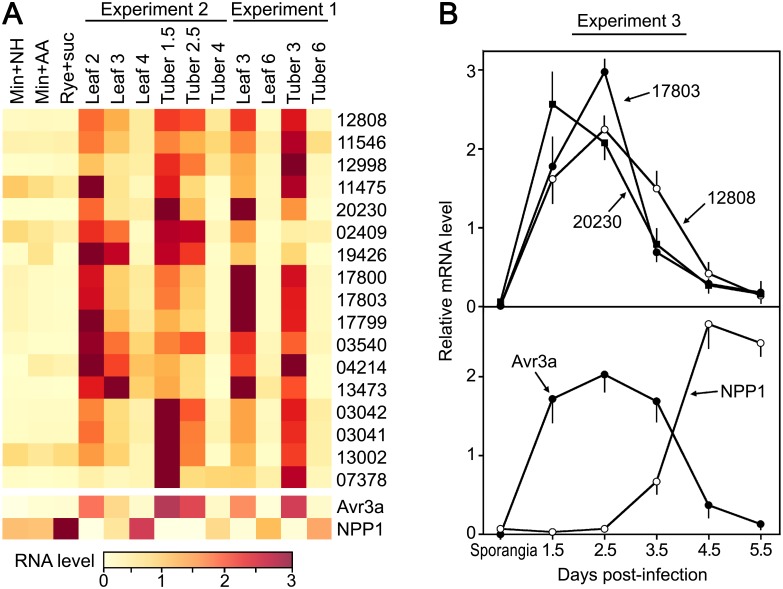
Fig 4. P. infestans transporters specific to early infection.
A. Heatmap comparing expression levels from RNA-seq of nineteen transporters in the leaf and tuber samples from Experiments One and Two, and the three artificial media (minimal plus ammonium, minimal plus amino acids, and rye-sucrose). Shown at the base of the heatmap are the genes encoding Avr3a and NPP1. B. Expression of selected P. infestans AAAPs in a third tomato leaf time-course. PITG_12808, PITG_17803, PITG_20230 mRNAs were quantified by RT-qPCR using leaflets infected with sporangia. RNA levels were measured in the sporangia and in the leaflets at the indicated time-points.
Fig 5
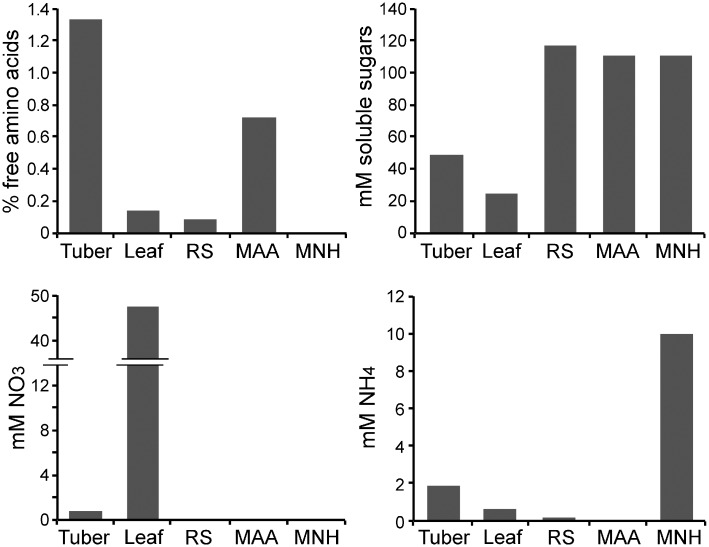
Fig 5. Concentrations of selected nutrients in leaves, tubers, and artificial media.
Free amino acids, NO3, NH4+, and the principal soluble sugars (glucose, fructose, and sucrose) were measured in potato tubers (T), tomato leaves (L), rye sucrose media (RS), or minimal media containing ammonium sulfate (MNH) or amino acids (MAA) as the nitrogen source. Millimolar values are presented except for free amino acids (i.e. those not in proteins), which are expressed as percent of fresh weight.
Fig 6
Fig 6. Transporter expression in P. infestans by family.
Proteins were grouped into families, abbreviated as in Fig 1, and heatmaps were generated using values from Experiment Two.
Fig 7
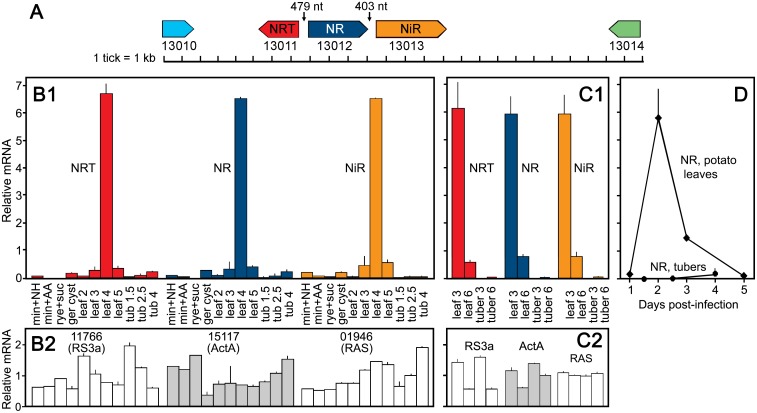
Fig 7. Nitrate assimilation cluster of P. infestans and its expression pattern.
A. Organization of cluster showing position and orientation of NRT (PITG_13011), NR (PITG_13012) and NiR (PITG_13013), and nearest flanking genes. B1. mRNA levels from RNA-seq of NRT, NR, and NiR in Experiment Two, in infected tomato leaves (2 to 5 dpi), tubers (1.5 to 4 dpi), germinated cysts (ger cyst), NH4+-based minimal media (min+NH), amino acid-modified minimal media (min+AA), rye-sucrose media (rye+suc). In this and the other panels, the data are presented as per-gene normalized values. B2. Expression of control genes in samples from Panel B1. The genes encode RpS3A (PITG_11766), Actin A (PITG_15117) and RAS (PITG_01946). C1. mRNA levels from RNA-seq of NRT, NR, and NiR in Experiment One, showing infected tomato leaves (3 and 6 dpi) and tubers (3 and 6 dpi). C2. Expression of control genes in the samples from Panel C1.D. RT-qPCR analysis of NR in potato leaves (1 to 5 dpi) and tubers (1.5 to 4 dpi).
Fig 8
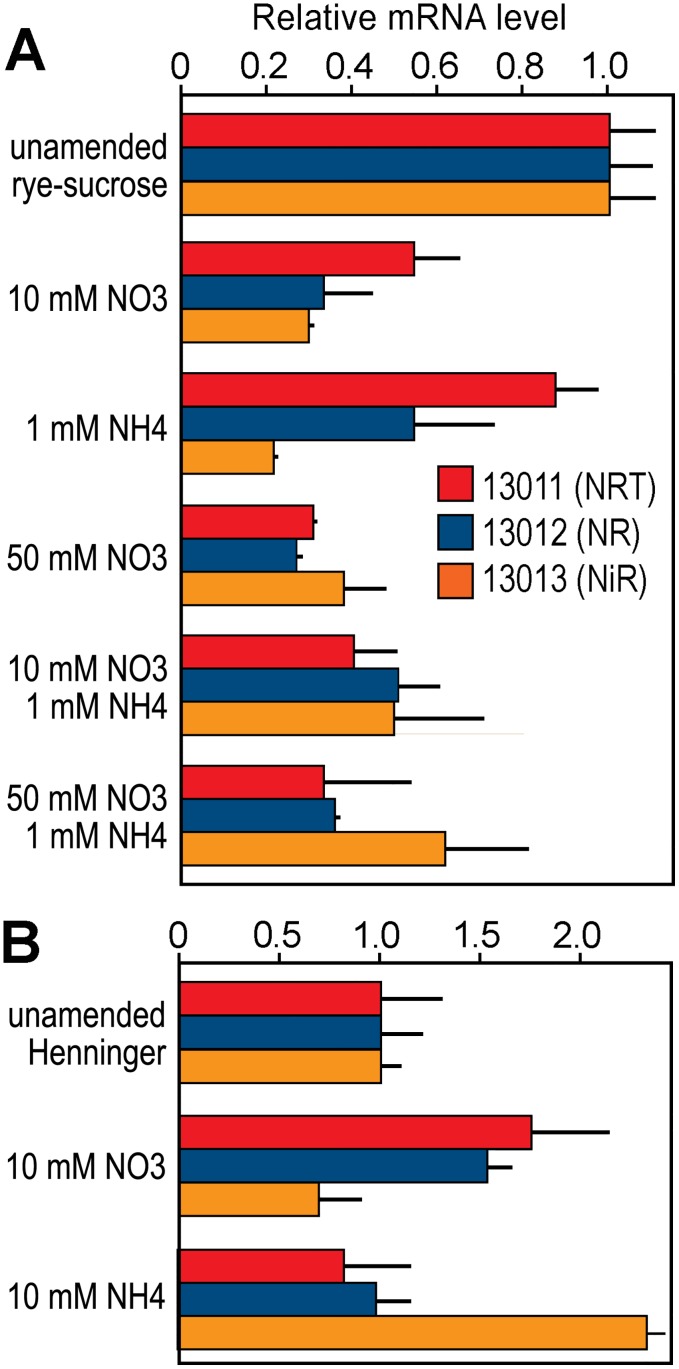
Fig 8. Effect of media amendments on expression of the nitrate assimilation genes of P. infestans.
A. Results from RT-qPCR for NRT, NR, and NiR in cultures grown in rye-sucrose agar amended with the indicated amounts of NO3 (as KNO3) or NH4+ (as (NH4)2SO4). Bars replicate standard deviations from three biological replicates, and results were normalized using the gene for ribosomal protein S3A. Data were taken from 4-day cultures. B. Similar data for cultures grown on unamended or amended Henninger's media [44].
Fig 9
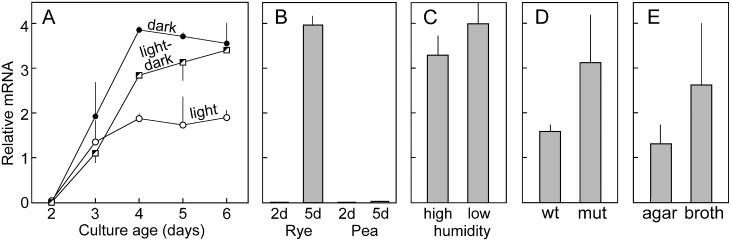
Fig 9. Expression of P. infestans NR in artificial media cultures under different conditions.
A. Relative levels of NR mRNA in wild-type P. infestans grown on rye-sucrose agar exposed to constant dark, constant light, or a 12 hour light/dark cycle. In this and the other panels, error bars represent biological replicates and unless specified otherwise cultures were maintained at high humidity (>95% RH). B. NR mRNA in 2 and 5-day cultures of wild-type P. infestans grown on rye-sucrose or pea media. Both 5-day cultures were sporulating. C. NR mRNA in 5-day cultures of wild-type P. infestans grown on rye-sucrose agar at high or low humidity (>95% and ~30%, respectively). D. NR mRNA in rye-sucrose agar cultures of wild type P. infestans and two independent Cdc14-silenced transformants; the latter do not sporulate. E. NR RNA in wild type P. infestans grown for 3 days on rye-sucrose agar or rye-sucrose broth; neither culture was sporulating at the time of harvest.
Fig 10
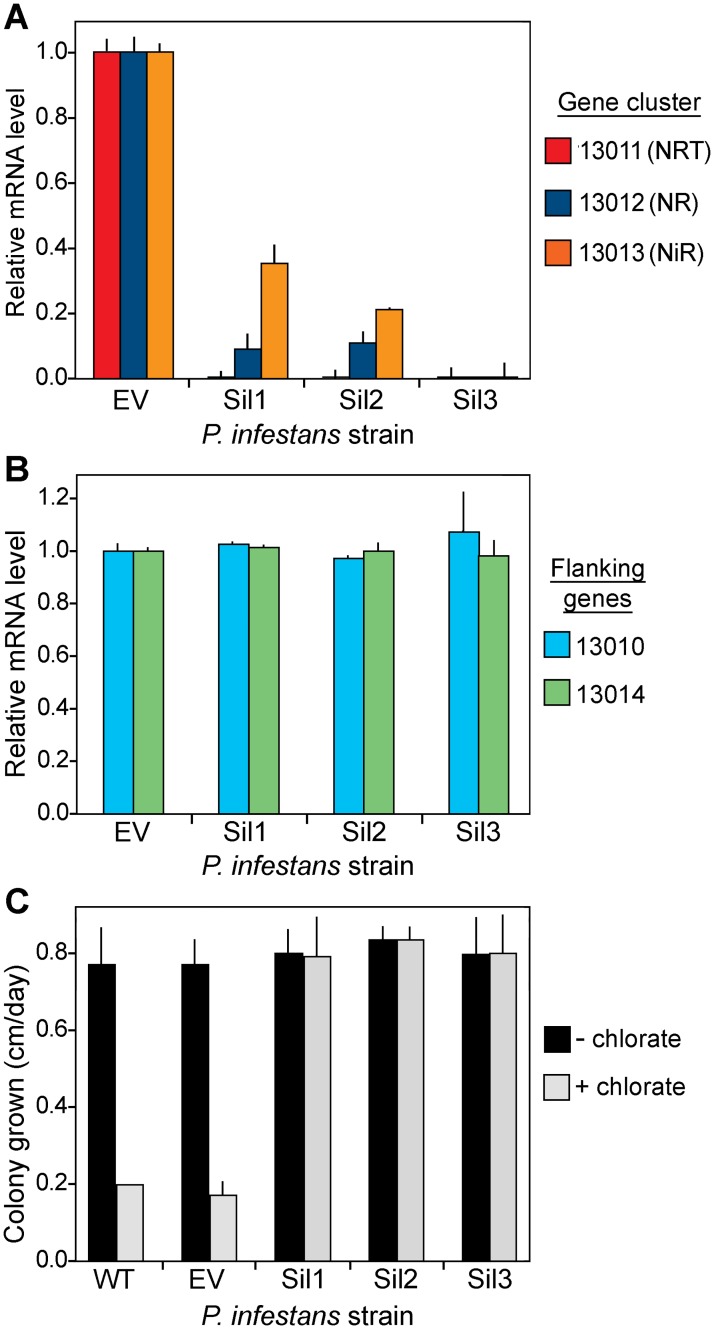
Fig 10. Silencing of nitrate assimilation cluster genes in P. infestans.
A. Results from RT-qPCR of an empty vector transformant (EV) and three strains silenced by expressing a sense copy of NR behind the ham34 promoter in a vector conferring G418-resistance (Sil1, Sil2, Sil3). Error ranges show standard deviations of biological replicates. Each transformant is significantly down-regulated for NRT, NR, and NiR at P<0.01. B. Expression of PITG_13010 and PITG_13014, which flank the NRT-NR-NiR cluster, as determined by RT-qPCR. The relative positions of the genes are shown in Fig 7. C. Growth rate of wild type (WT), an empty vector transformant (EV), and Sil1 to Sil3 strains in the presence and absence of 120 mM chlorate.
Fig 11
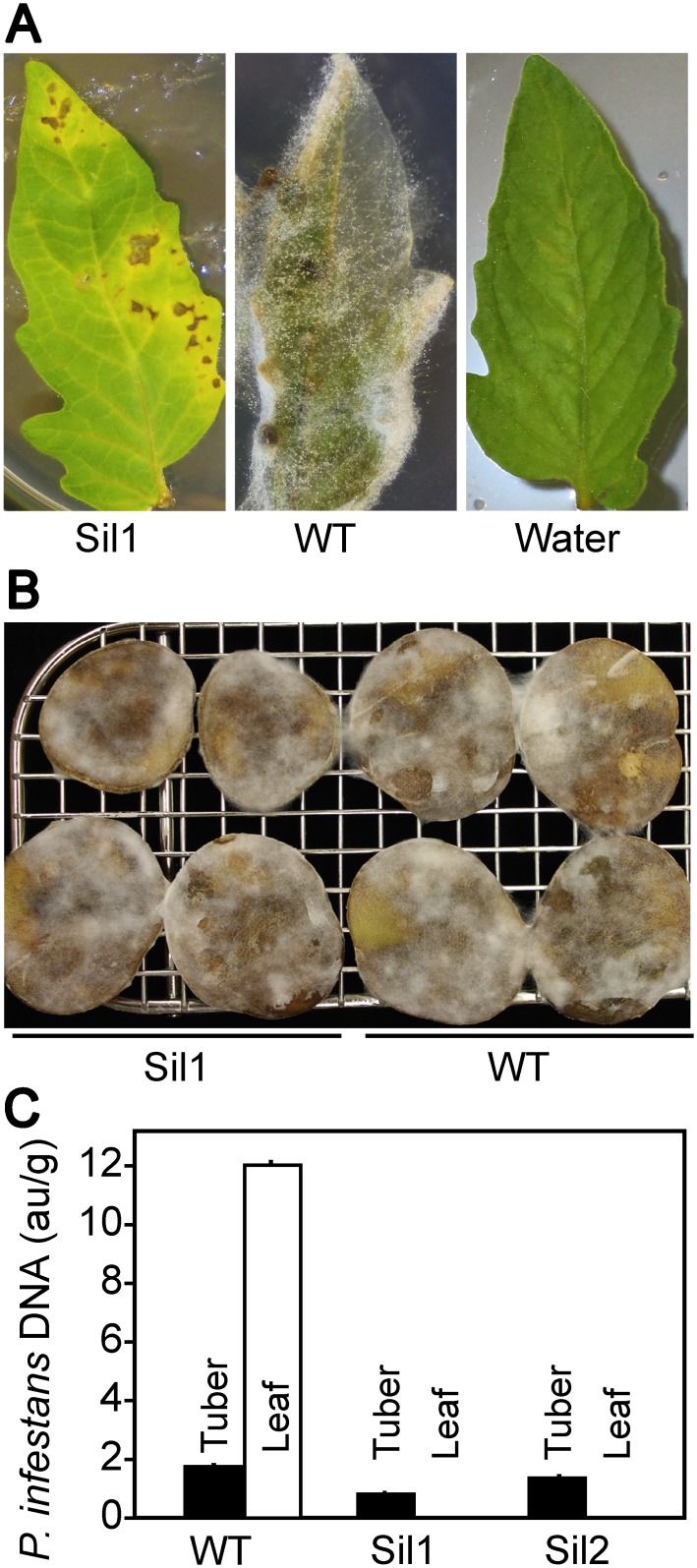
Fig 11. Effect of gene silencing on in planta growth of P. infestans.
A. Tomato leaflets inoculated with zoospores of silenced transformant Sil1, the wild type progenitor strain (WT), and water. While some necrosis is evident in the leaf panel, no sporulation was observed. Sil2 and Sil3 yielded similar results. The pictures were taken after 14 days. B. Potato tuber slices inoculated with zoospores of Sil1 and wild type. The white fluffiness on the surface of each tuber are hyphae and sporangia. The picture was taken after 7 days. C. Quantitation of P. infestans DNA from wild type, Sil1, and Sil2 in leaf and tuber infections. Relative amounts of P. infestans DNA were determined by qPCR using O8 primers, and are expressed in arbitrary units (au) per gram of fresh weight of infected material.
Fig 12
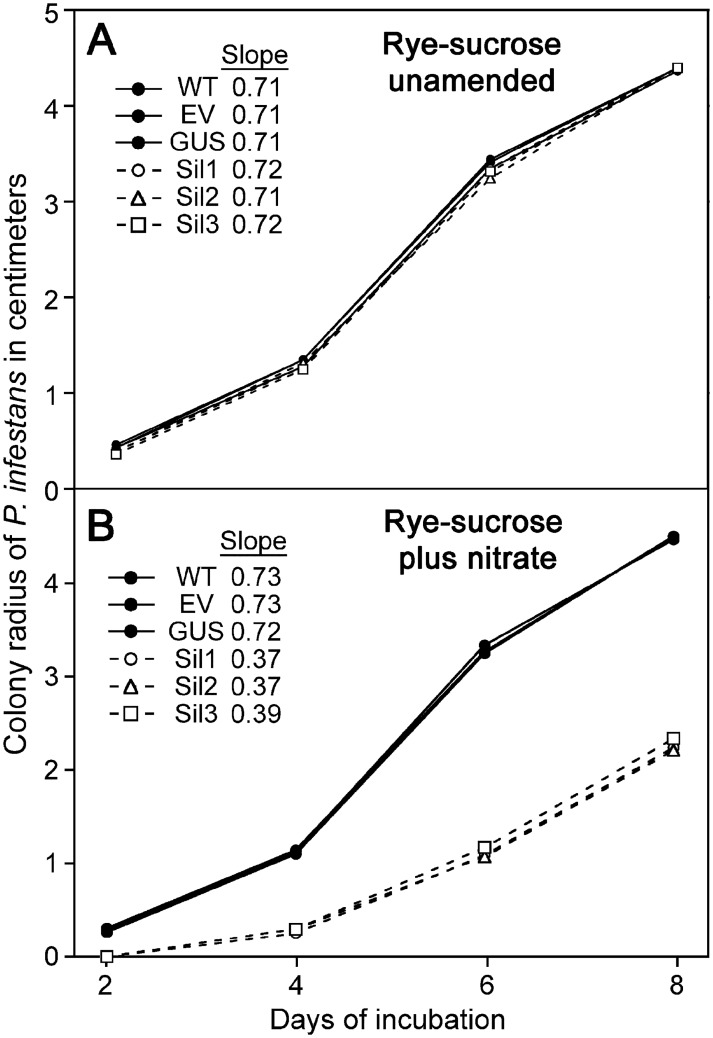
Fig 12. Growth of wild type and silenced P. infestans on rye-sucrose media with and without nitrate.
The growth of wild type (WT), an empty vector transformant (EV), a strain expressing a β-glucuronidase transgene (GUS), and silenced transformants Sil1 to Sil3 were measured on rye-sucrose agar plates without (A) or with 50 mM NO3 (B). Data are the average of three replicates. The silenced and non-silenced strains are represented by dashed and solid lines, respectively. The growth rate of strains within each of those two classes were not significantly different. For visual clarity, they are not individually colored and error bars are omitted, however the slopes of each line (cm per day) are indicated.

References

    1. Yi M, Valent B. Communication between filamentous pathogens and plants at the biotrophic interface. Ann Rev Phytopathol. 2013;51:587–611. - PubMed
    1. Fernandez J, Marroquin-Guzman M, Wilson RA. Mechanisms of nutrient acquisition and utilization during fungal infections of leaves. Ann Rev Phytopathol. 2014;52:155–174. - PubMed
    1. Judelson HS, Shrivastava J, Manson J. Decay of genes encoding the oomycete flagellar proteome in the downy mildew Hyaloperonospora arabidopsidis. PloS One. 2012;7:e47624 10.1371/journal.pone.0047624 - DOI - PMC - PubMed
    1. Guldener U, Seong KY, Boddu J, Cho S, Trail F, Xu JR, et al. Development of a Fusarium graminearum Affymetrix GeneChip for profiling fungal gene expression in vitro and in planta. Fungal Genet Biol. 2006;43:316–25. 10.1016/j.fgb.2006.01.005 - DOI - PubMed
    1. Hahn M, Neef U, Struck C, Gottfert M, Mendgen K. A putative amino acid transporter is specifically expressed in haustoria of the rust fungus Uromyces fabae. Molec Plant Microbe Interact. 1997;10:438–445. - PubMed

MeSH terms

Substances