


Natural product HTP screening for attenuation of cytokine-induced neutrophil chemo attractants (CINCs) and NO2- in LPS/IFNγ activated glioma cells
- PMID: 27956075
- PMCID: PMC5201440
- DOI: 10.1016/j.jneuroim.2016.11.012
Natural product HTP screening for attenuation of cytokine-induced neutrophil chemo attractants (CINCs) and NO2- in LPS/IFNγ activated glioma cells
Abstract
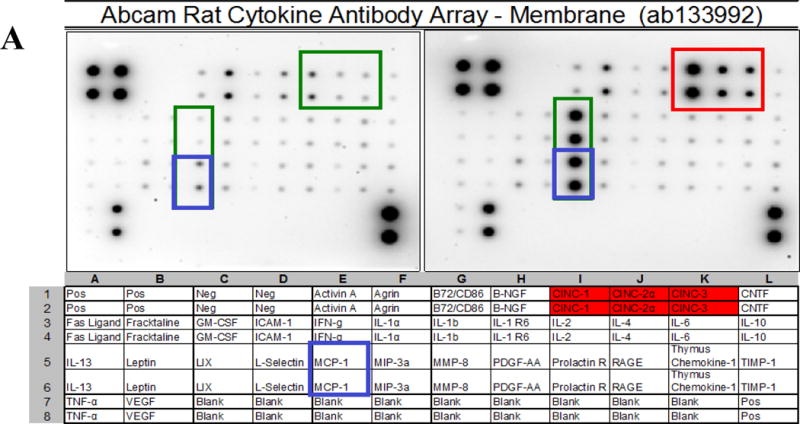
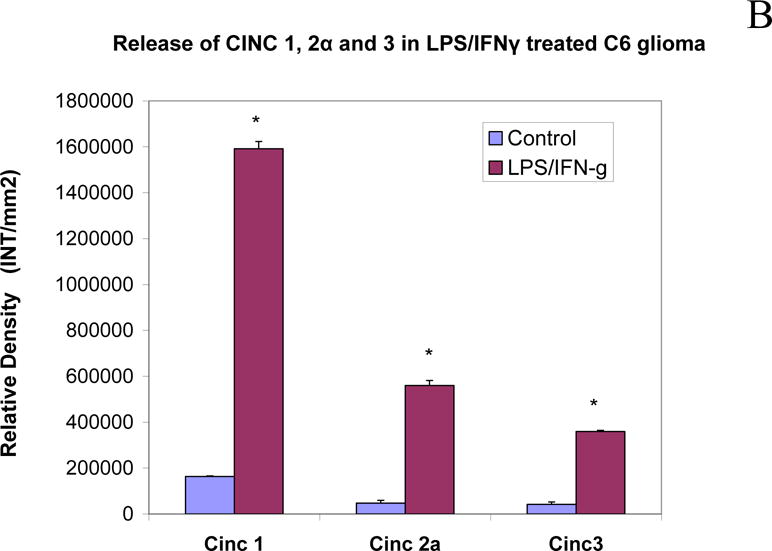
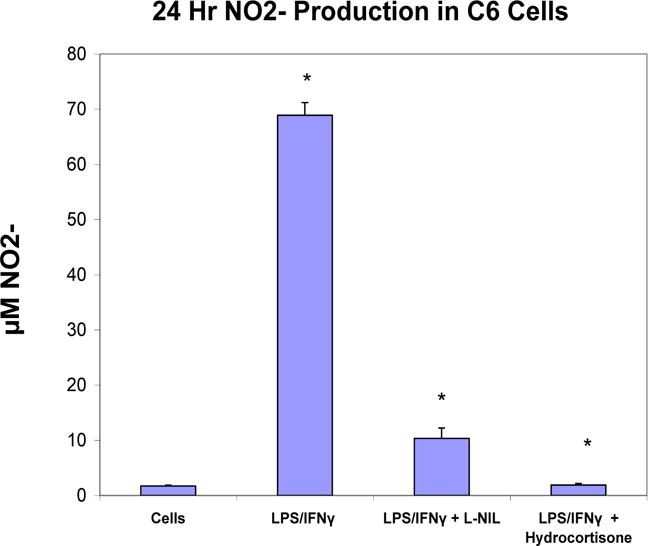
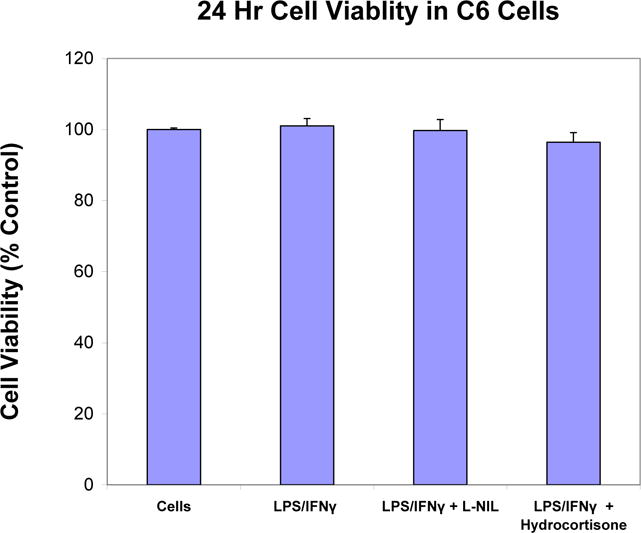
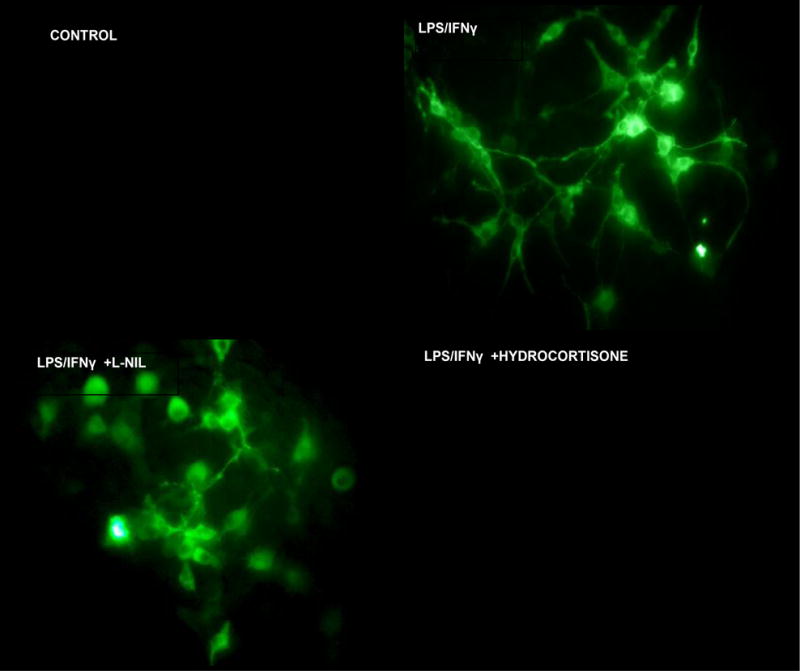
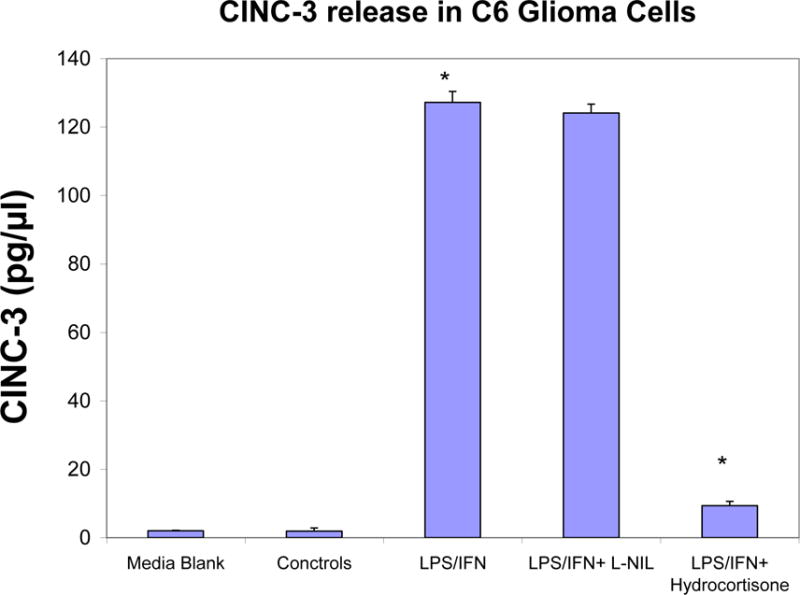
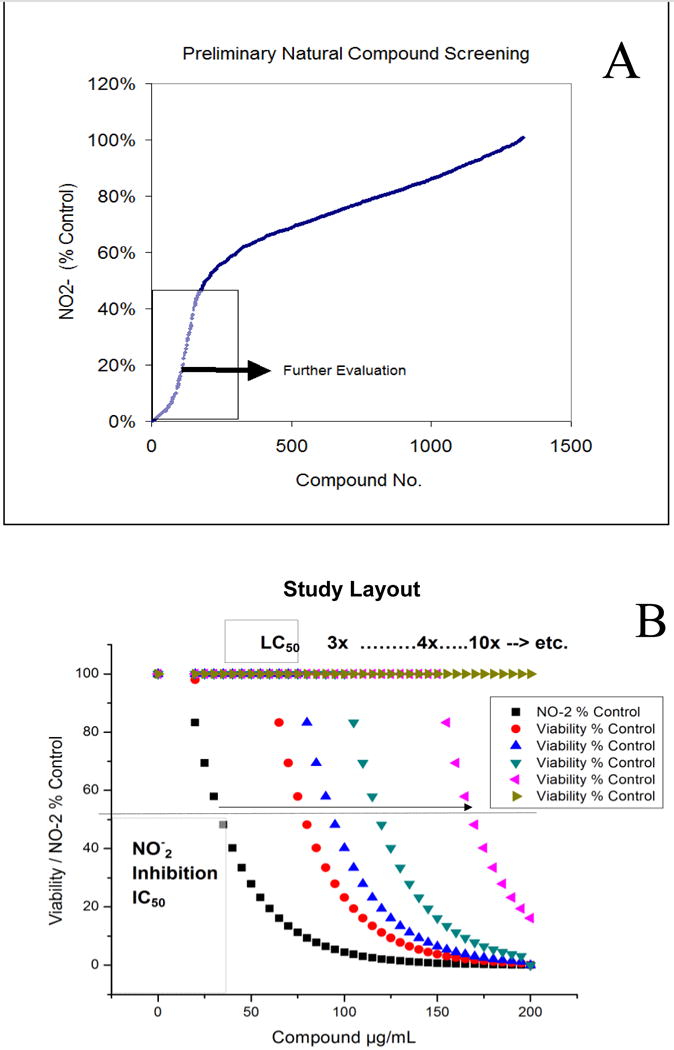
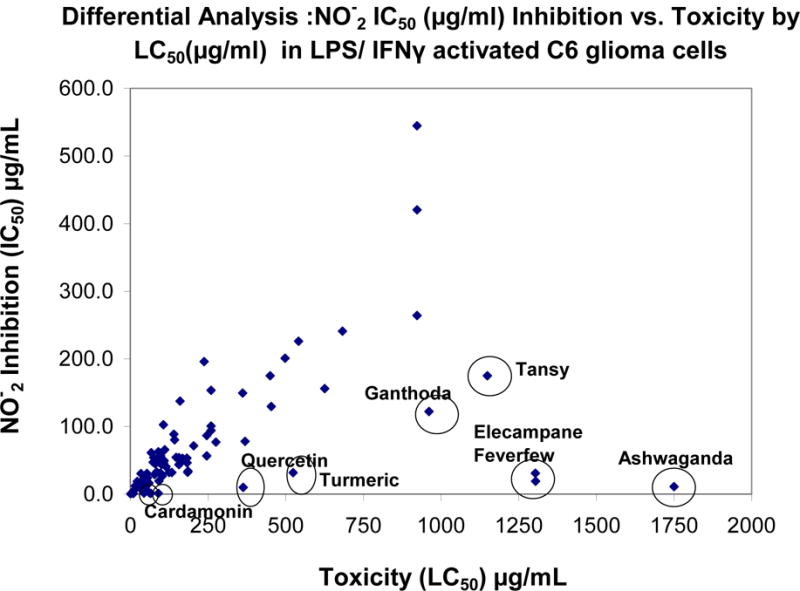
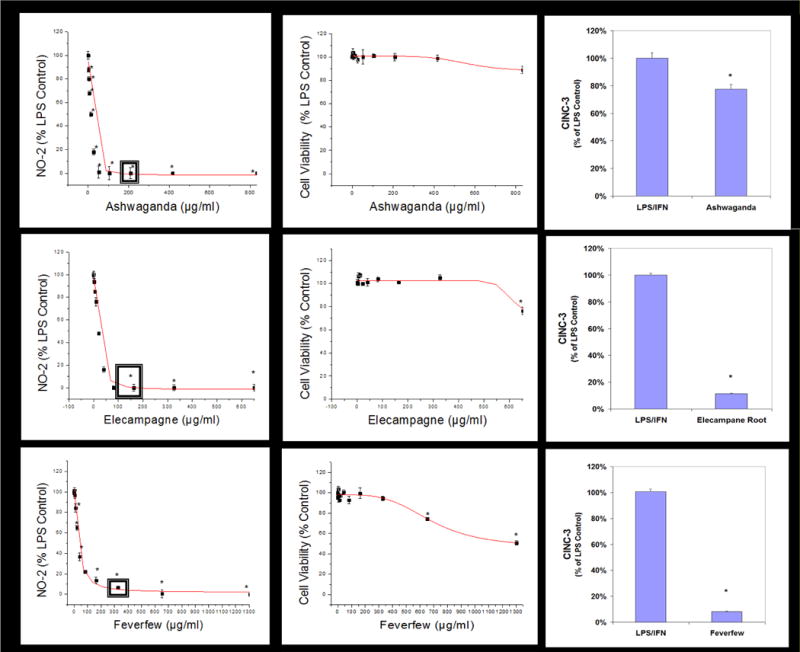
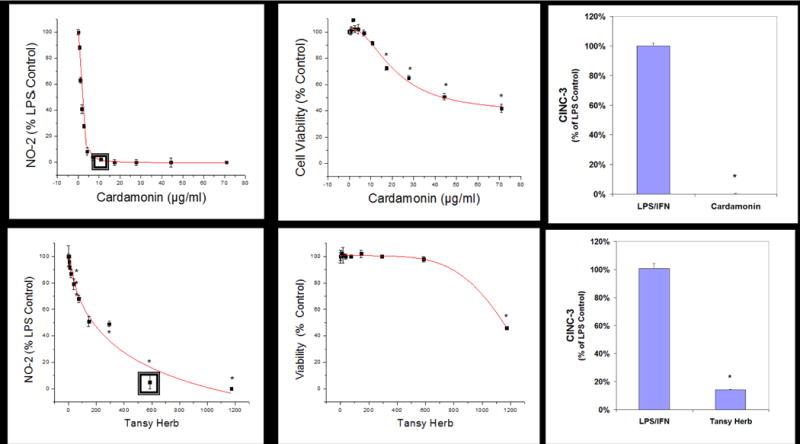
Chronic and acute central nervous system (CNS) inflammation are contributors toward neurological injury associated with head trauma, stroke, infection, Parkinsons or Alzheimers disease. CNS inflammatory illnesses can also contribute toward risk of developing glioblastoma multiforme (GBM). With growing public interest in complementary and alternative medicines (CAMs), we conduct a high throughput (HTP) screening of >1400 natural herbs, plants and over the counter (OTC) products for anti-inflammatory effects on lipopolysaccharide (LPS)/interferon gamma (IFNγ) activated C6 glioma cells. Validation studies were performed showing a pro-inflammatory profile of [LPS 3 µg/ml/ IFNγ 3 ng/ml] consistent with greater release [>8.5 fold] of MCP-1, NO2-, cytokine-induced neutrophil chemo-attractants (CINC) 1, CINC 2a and CINC3. The data show no changes to the following, IL-13, TNF-a, fracktaline, leptin, LIX, GM-CSF, ICAM1, L-Selectin, activin A, agrin, IL-1α, MIP-3a, B72/CD86, NGF, IL-1b, MMP-8, IL-1 R6, PDGF-AA, IL-2, IL-4, prolactin R, RAGE, IL-6, Thymus Chemokine-1, CNTF,IL-10 or TIMP-1. A HTP screening was conducted, where we employ an in vitro efficacy index (iEI) defined as the ratio of toxicity (LC50)/anti-inflammatory potency (IC50). The iEI was precautionary to ensure biological effects were occurring in fully viable cells (ratio > 3.8) independent of toxicity. Using NO2- as a guideline molecule, the data show that 1.77% (25 of 1410 tested) had anti-inflammatory effects with iEI ratios >3.8 and IC50s <250µg/ml. These include reference drugs (hydrocortisone, dexamethasone N6-(1-iminoethyl)-l-lysine and NSAIDS: diclofenac, tolfenamic acid), a histone deacetylase inhibitor (apicidin) and the following natural products; Ashwaganda (Withania somnifera), Elecampagne Root (Inula helenium), Feverfew (Tanacetum parthenium), Green Tea (Camellia sinensis), Turmeric Root (Curcuma longa) Ganthoda (Valeriana wallichii), Tansy (Tanacetum vulgare), Maddar Root (Rubia tinctoria), Red Sandle wood (Pterocarpus santalinus), Bay Leaf (Laurus nobilis, Lauraceae), quercetin, cardamonin, fisetin, EGCG, biochanin A, galangin, apigenin and curcumin. The herb with the largest iEI was Ashwaganda where the IC50/LC50 was 11.1/>1750.0μg/ml, and the compound with the greatest iEI was quercetin where the IC50/LC50 was 10.0/>363.6μg/ml. These substances also downregulate the production of iNOS expression and attenuate CINC-3 release. In summary, this HTP screening provides guideline information about the efficacy of natural products that could prevent inflammatory processes associated with neurodegenerative disease and aggressive glioma tumor growth.
Keywords: Astrocytes; C6 glioma; HTP; Herbs; High throughput screening; Natural products.
Copyright © 2016 Elsevier B.V. All rights reserved.
Conflict of interest statement
N/A
Figures
References
-
- Adach-Kilon A, Swiatek-Machado K, Kaminska B, Dabrowski M. Signal transducer and activator of transcription 1 (Stat1) maintains basal mRNA expression of pro-survival stat3-target genes in glioma C6 cells. J Cell Biochem. 2011;112:3685–94. - PubMed
-
- Adelson PD, Whalen MJ, Kochanek PM, Robichaud P, Carlos TM. Blood brain barrier permeability and acute inflammation in two models of traumatic brain injury in the immature rat: a preliminary report. Acta Neurochir Suppl. 1998;71:104–6. - PubMed
-
- Ahmad H, Khandelwal K, Samuel SS, Tripathi S, Mitra K, Sangwan RS, et al. Neuro-protective potential of a vesicular system of a standardized extract of a new chemotype of Withania somnifera Dunal (NMITLI118RT+) against cerebral stroke in rats. Drug delivery. 2015:1–12. - PubMed
-
- Ahmad M, Saleem S, Ahmad AS, Ansari MA, Yousuf S, Hoda MN, et al. Neuroprotective effects of Withania somnifera on 6-hydroxydopamine induced Parkinsonism in rats. Hum Exp Toxicol. 2005;24:137–47. - PubMed
-
- Al-Gammal SY. Elecampane and Job’s disease. Bulletin of the Indian Institute of History of Medicine. 1998;28:7–11. - PubMed
Publication types
MeSH terms
Substances
Grants and funding
LinkOut - more resources
Full Text Sources
Other Literature Sources
Medical
Research Materials
Miscellaneous
